


Many remote workers tend to view workplace wellness merely as "avoiding back pain." However, a broader perspective encompassing biomechanics and neuroscience is vital for human productivity. Without a comprehensive ergonomic review, a standard 8-hour workday can lead to cognitive fatigue, environmental discomfort, and even organizational burnout. To enhance the return on investment in health, it's crucial to analyze and optimize workspaces from four key ergonomic perspectives: physical, cognitive, organizational, and environmental. This report explains how our advanced chair systems address each aspect of human-centric workspace design and support long-term physical well-being.
Type 1: Physical Ergonomics (Biomechanics and Postural Stability)
Physical ergonomics re-evaluates the relationship between the body and the workspace to minimize the risk of strain on the lower back and spine. Research indicates that sitting on a typical polyurethane foam chair for two continuous hours can increase lumbar pressure by up to approximately 40%. When the pelvis tilts backward, it places extra strain on back muscles, potentially leading to inflammation and reduced blood flow to the legs.
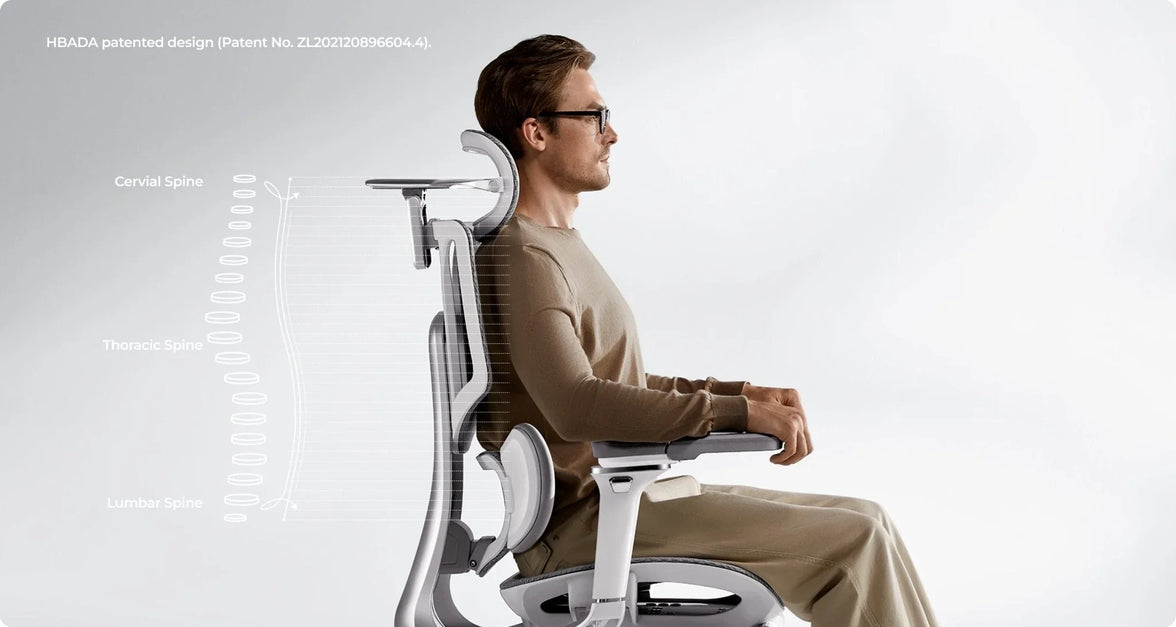
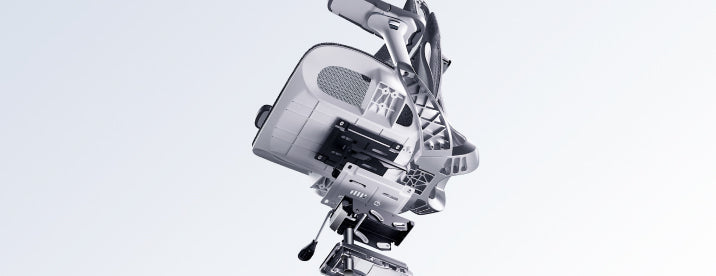
Our design aims to alleviate this pressure through a synchronized structure where the seat and backrest move together with the body. By synchronizing the seat's sliding mechanism with the backrest's pivot point, the chair's structural frame provides uninterrupted support around the sacrum. Whether leaning forward to type or reclining to review documents, the spine is better able to maintain a more natural and stable posture.
Case Study A: High Weight Capacity / Work-from-Home and Gaming User

User Scenario:
Marcus T., 34. Senior DevOps Engineer and part-time streamer (approx. 188 cm tall, approx. 134 kg weight).
Challenge:
Marcus suffered from chronic lower back numbness and recurring "chair sinking issues." Over the past two years, he had worn out three low-cost office chairs. Generic polyurethane foam seats quickly lost their support, and inexpensive gas cylinders often failed to withstand the stress of 10-12 hours of daily prolonged use.
HBADA Solution:
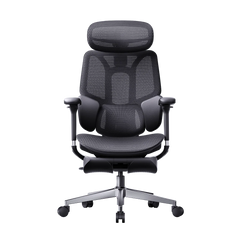
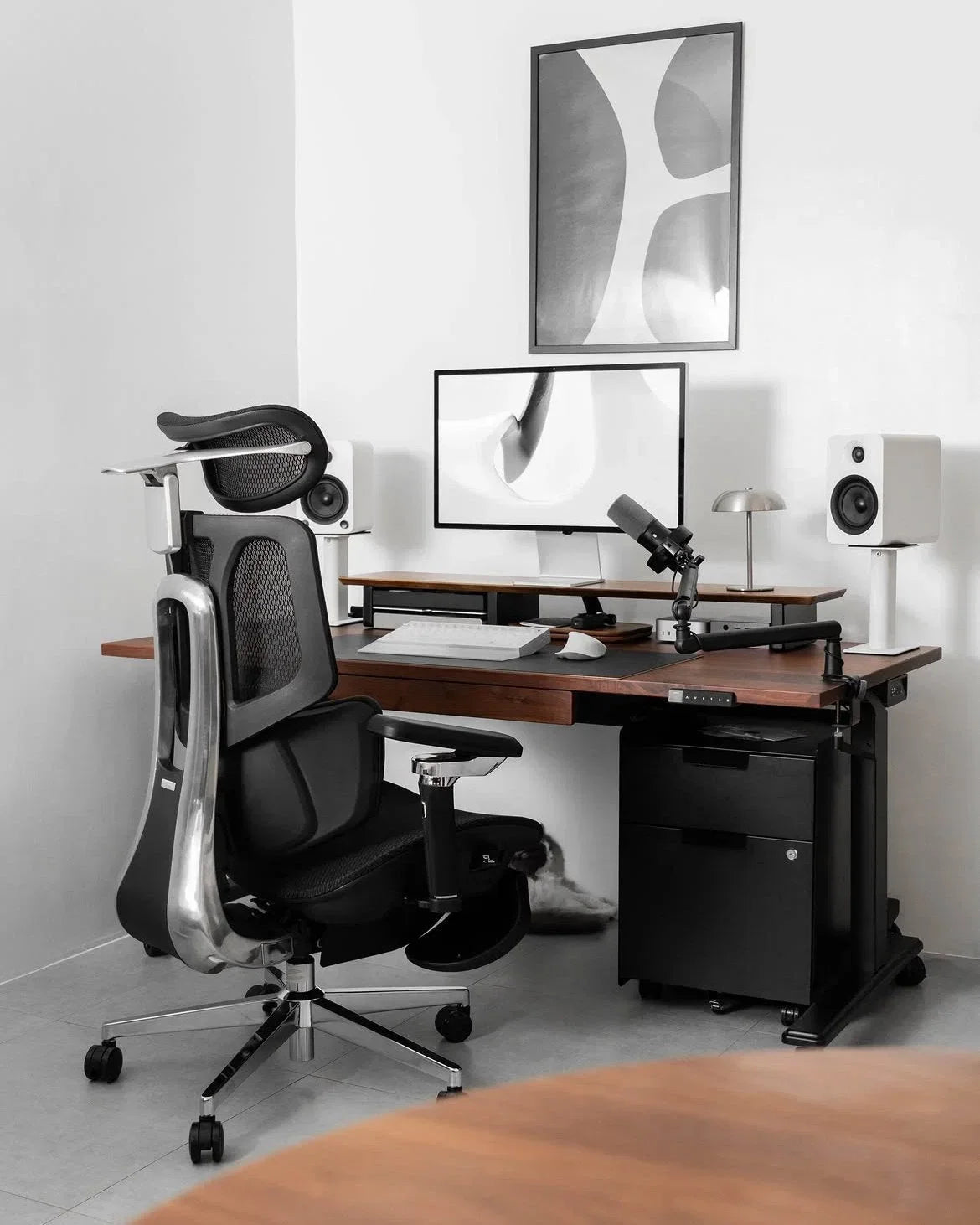
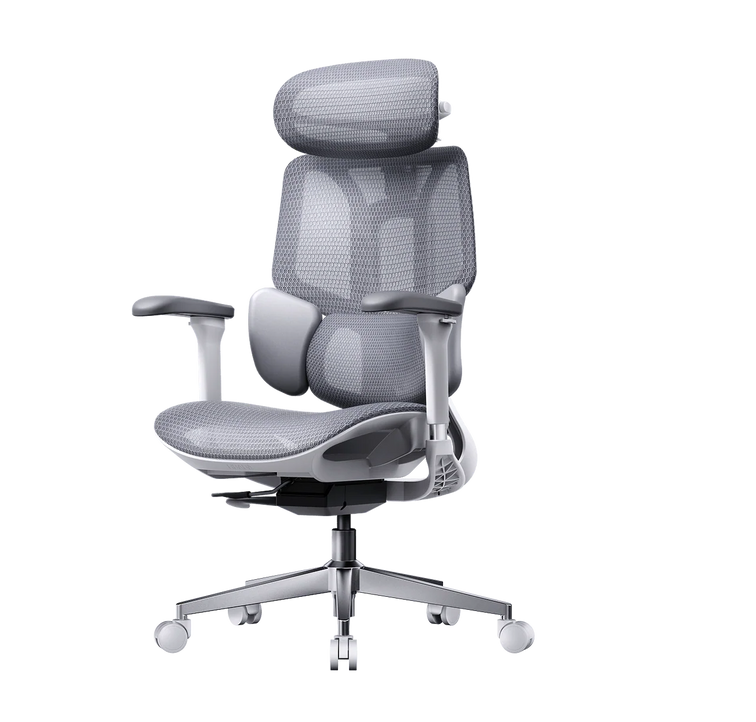
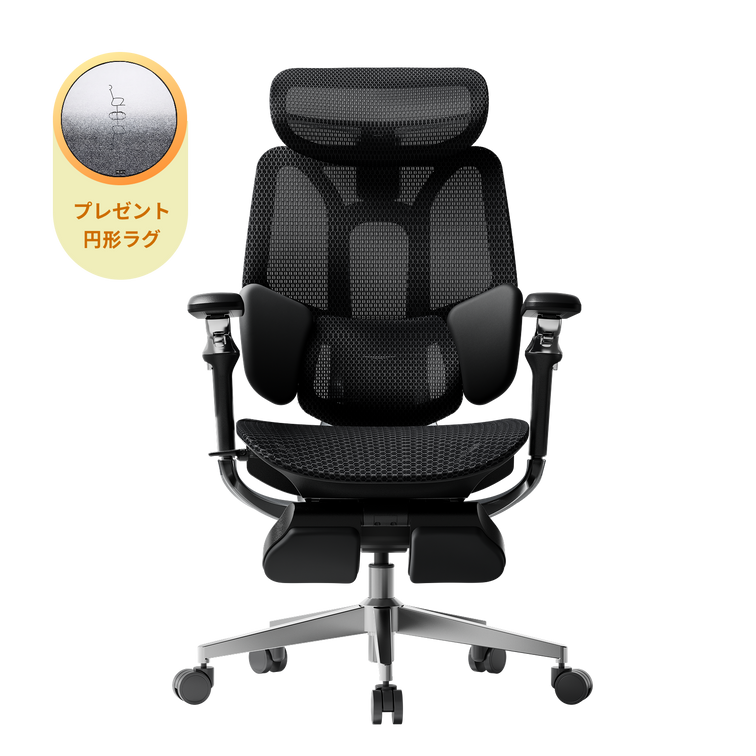
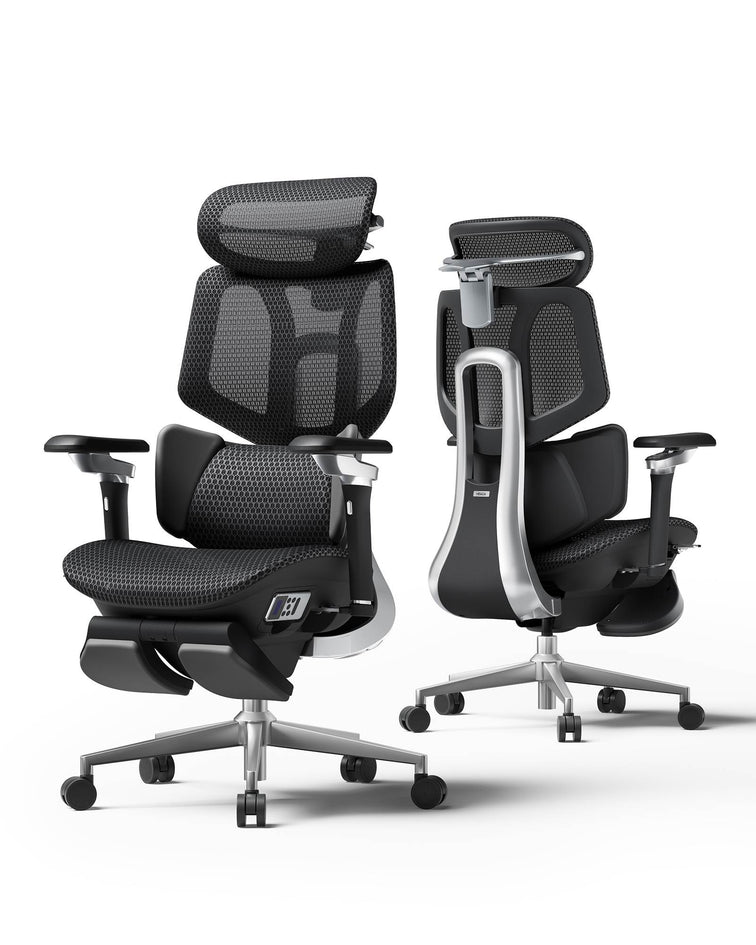
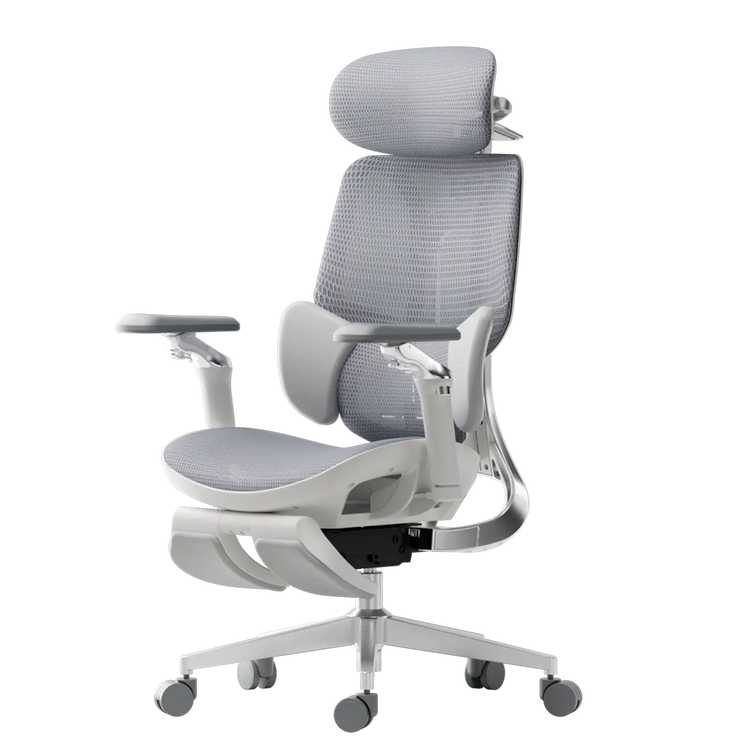
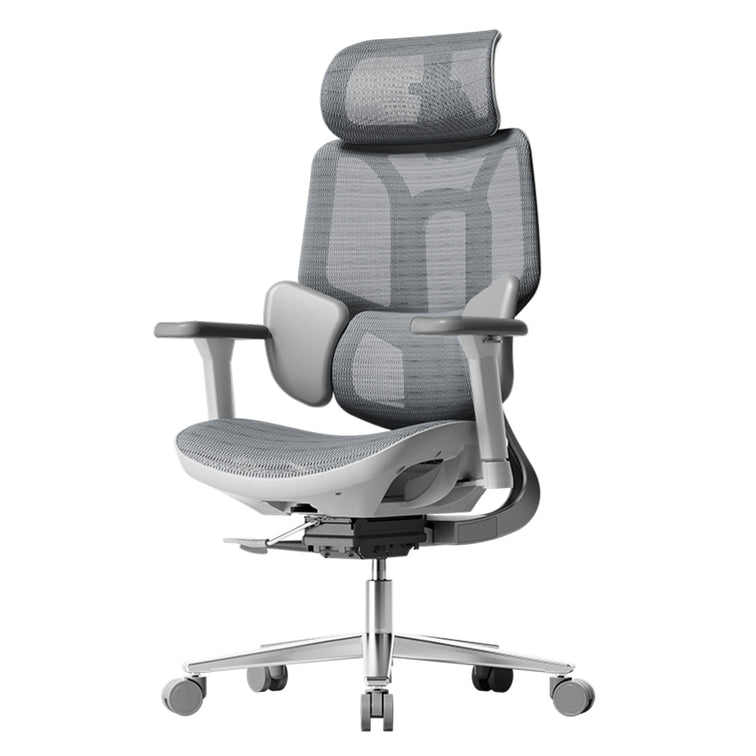
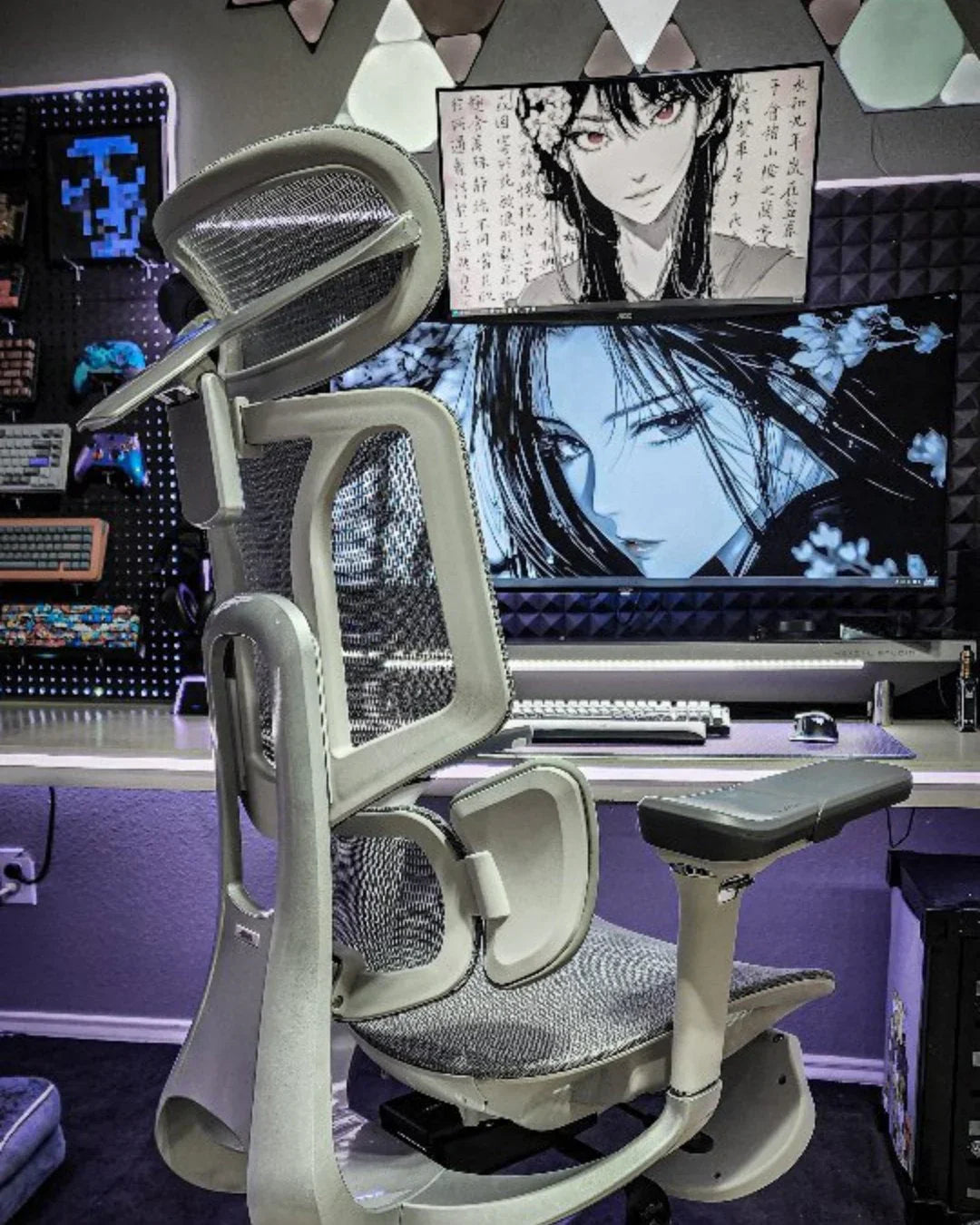
Marcus re-evaluated his replacement costs and upgraded his workstation to the HBADA E3 Pro, which features a high-capacity structure. With a Class 4 gas lift to prevent sinking and a steel-reinforced high-strength chassis, he immediately experienced stable and firm seating. Furthermore, the 3-zone adaptive lumbar support system dynamically supports the L1-L5 lumbar region in response to movement and load changes. With every shift in weight, the left and right spring-loaded side wings rotate up to approximately 40°, cradling the back to efficiently distribute weight and reduce the sensation of sinking.
Type 2: Cognitive Ergonomics (Mental Load and Sustained Focus)
Cognitive ergonomics explores how the workspace impacts concentration and mental load. By avoiding distractions from physical pain or an unstable chair, it becomes easier to maintain focus throughout the workday, potentially leading to an improvement of up to approximately 35%. Conversely, if the brain's resources are consumed by managing discomfort, it becomes harder to concentrate on problem-solving.
To maximize mental capacity, it's crucial to reduce the burden of consciously managing posture. This is where office chairs with active lumbar tracking capabilities significantly change the remote work dynamic. Instead of breaking concentration to manually adjust levers with every weight shift, a smart chair system makes automatic adjustments.
Our flagship smart chair system allows you to experience the cognitive load reduction of automatic alignment. Equipped with an automotive-grade computing chip and Hall magnetic sensors, it scans pressure on the seat 1,000 times per second. If your posture unconsciously starts to slump during complex coding tasks, the built-in motor pushes the lumbar pad forward by up to 50mm, quickly adjusting support. This immediate response allows you to dedicate more cognitive resources to your actual work, rather than consciously struggling with your chair.
Type 3: Organizational Ergonomics (Work Systems and Sedentary Culture)

Type 3: Organizational Ergonomics (Work Systems and Sedentary Culture)
Organizational ergonomics concerns how work flows, breaks are taken, and sedentary habits are managed. Incorporating automatic movement into the workspace helps mitigate reduced blood flow often associated with prolonged static sitting. For those working from home, taking regular breaks and moving frequently contributes to a healthy work routine.
One of the major challenges in remote work culture is sitting for 4-6 hours with minimal postural changes. This can lead to blood pooling in the lower extremities, potentially reducing the supply of fresh, oxygenated blood to the brain. To address this structural fatigue, our premium smart series is designed as an office chair that actively supports spinal load reduction.
The HBADA AI-powered X7, with its 45-minute reminder function, helps maintain a healthy rhythm during work. When the time comes, the chair provides a deep massage around the lumbar area, promoting localized blood flow. This allows for a refreshing sensation, similar to a short walking break, without having to leave the desk.
Type 4: Environmental Ergonomics (Workspace Environment and Body Contact Surface)
Environmental ergonomics involves optimizing the comfort of the workspace. This includes factors such as temperature, noise levels, and how well the chair conforms to the body. Maintaining a skin surface temperature of around 22°C is believed to help reduce fatigue and stuffiness, keeping thoughts clear.
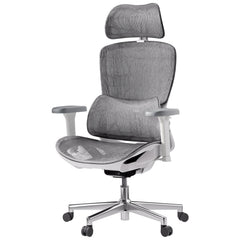
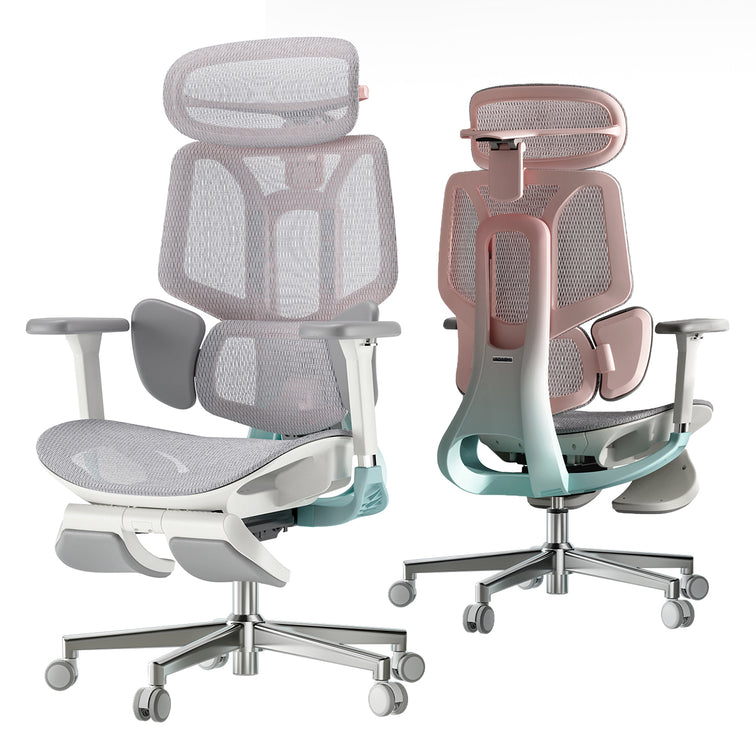
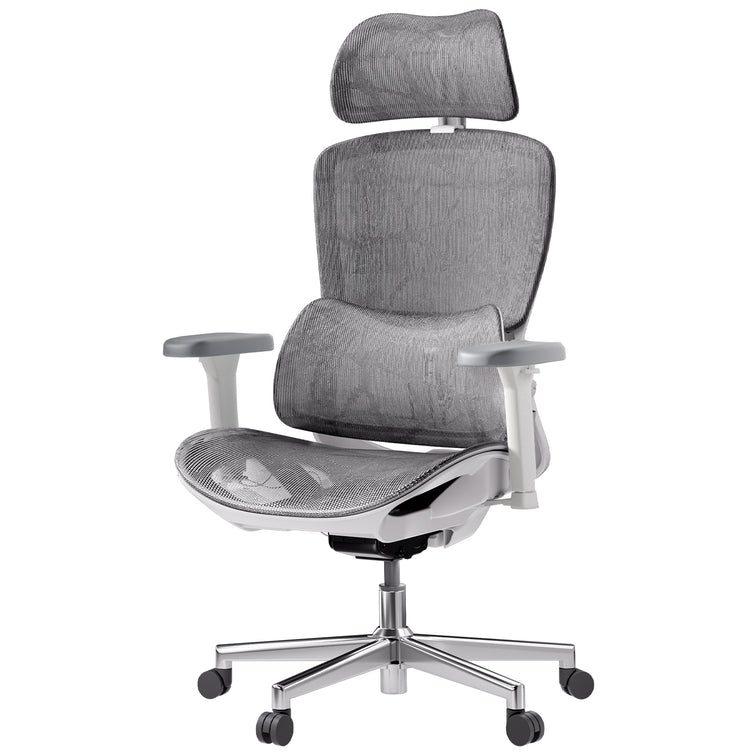
Traditional polyurethane foam chairs tend to trap heat, often leading to discomfort during prolonged use. Our chairs feature highly breathable CloudMesh material, along with built-in cooling fans and heaters, allowing for adjustable seat temperature. They also offer adjustable features to comfortably fit various body types.
Case Study B: Petite Professional / User Prioritizing Ergonomic Adjustability
User Scenario:
Elena R., 28. Remote graphic designer and lifestyle blogger (approx. 155 cm tall, approx. 50 kg weight).
Challenge:
Many ergonomic chairs are designed for average male body types. Consequently, for Elena, the built-in lumbar support was too high for her back, leading to severe shoulder tension. She also couldn't firmly plant her feet on the floor, and the traditional wide armrests left her elbows unsupported, placing significant strain on her trapezius muscles.
HBADA Solution:
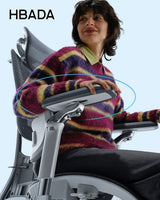
Elena integrated the HBADA AI-powered X7 into her compact office environment, allowing her to finely adjust her posture to her specific needs. With 60mm of seat depth adjustment and precise fit adjustments, pressure on the back of her thighs was reduced. Furthermore, by rotating the 720° omnidirectional armrests 360° inward, she could firmly support her arms close to her body when drawing on her tablet, significantly alleviating chronic shoulder and neck fatigue.
Cost-Benefit Analysis: ROI of Implementing Total Ergonomics
From the perspective of a savvy consumer, evaluating home office upgrades requires considering the long-term return on investment across all four ergonomic perspectives. Searching for an ergonomic office chair to choose in 2026 means moving away from inexpensive, disposable furniture and investing in products with verifiable features and data-driven design. The table below summarizes the functional differences between our key products and typical market offerings.
| Ergonomic Category | Typical Low-Cost Task Chair | HBADA E3 Pro (Mechanical Model) | HBADA AI-Powered X7 (Smart Model) | |
|---|---|---|---|---|
| Physical (Posture) | Fixed plastic pads. Prone to wear under high loads. | 3-zone adaptive lumbar support. High weight capacity structure. | Electric AI active tracking. Automatically supports spinal alignment. | |
| Cognitive (Concentration) | Frequent manual adjustments, easily disrupts focus. | Spring-loaded tension wings provide stable use once adjusted. | No manual operation required. Active sensors automatically manage posture. | |
| Organizational (Work Rhythm) | Lacks features to promote recovery, encourages dangerous static sitting. | 140° recline encourages dynamic sitting. | Automatic sedentary reminder massage every 45 minutes. | |
| Environmental (Fit) | Heat-trapping foam material. Fixed 1D armrests. | Breathable CloudMesh. 6-way adjustable armrests. | Two 3,000 RPM fans, graphene heater, 720° omnidirectional adjustable armrests. |
UK Workplace Wellness Guidelines and DSE Compliance
Viewing the home office environment as a critical health investment also helps meet strict national occupational safety standards. In the UK, the Health and Safety Executive (HSE) requires the optimization of workstations to reduce physical and visual fatigue, based on the "Health and Safety (Display Screen Equipment) Regulations 1992."
The HSE mandates that chairs used by companies must have adjustable backrest height and angle, and that regular breaks from screen work must be taken. By adopting well-validated, multi-axis adjustable chairs, companies with remote teams can achieve more measurable compliance. Utilizing automatic sedentary reminders and finely adjustable structural frames allows business owners and remote workers to proactively mitigate financial risks associated with Repetitive Strain Injury (RSI) and chronic absenteeism.