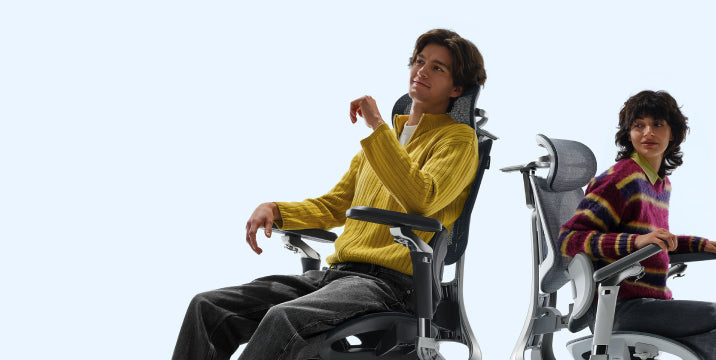
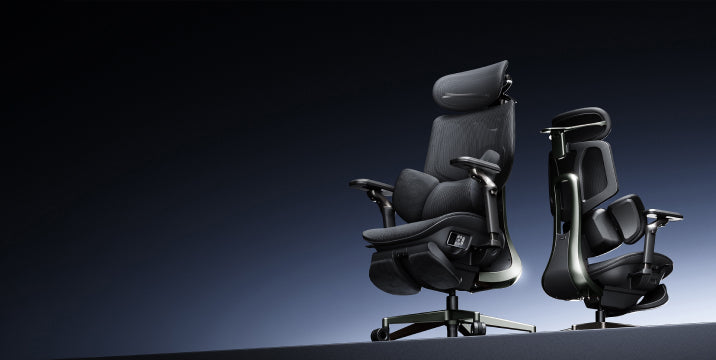
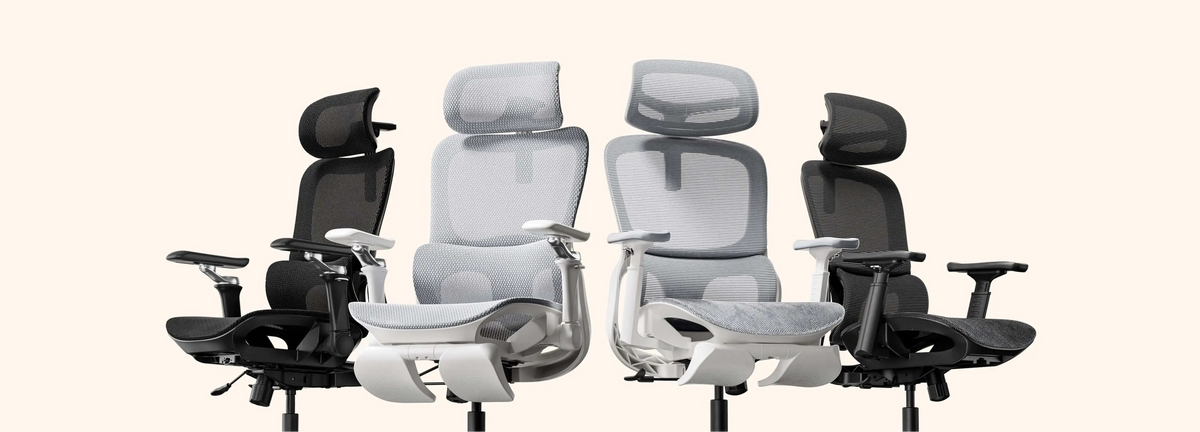
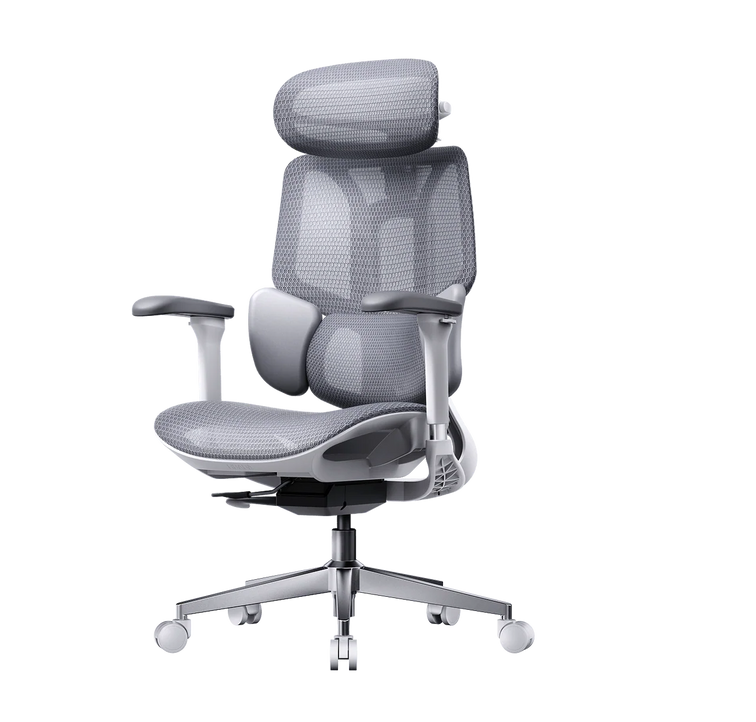





That moment you lean back in your chair, and a strange thought crosses your mind: can office chairs explode? It might sound like an internet urban legend, but there have been a few documented cases. To be frank, a true office chair explosion is extremely rare, and almost impossible with a properly certified chair. The single component that can cause a risk is the gas cylinder. And the safety of a gas cylinder depends on manufacturing quality, proper certification, and how you treat your chair daily. This guide will separate fact from fear, tell you what warning signs to look for, and explain how Hbada chairs are designed to eliminate this risk.
So, can office chairs really explode?
Let's be direct. While theoretically possible, an office chair explosion is an extremely rare event, almost exclusively linked to defective or counterfeit gas cylinders. The chances of it happening with a certified chair are close to zero. Out of millions of chairs used worldwide every day, there have been only a handful of confirmed cases globally over the last two decades. Every recorded case points to the same culprit: cheap, uncertified gas cylinders that don't meet approved safety standards.
How do office chair gas cylinders actually work?
To properly assess the risk, you first need to understand the component. A gas cylinder (sometimes called a gas spring) is a sealed metal tube that allows you to raise and lower your seat. Its mechanism is simple:
- It's pneumatic, not hydraulic.
- It's filled with compressed nitrogen gas, which is a non-flammable, inert gas.
- When you pull a lever, a valve releases the nitrogen, allowing the seat to move up or down.
- The gas is contained within a thick steel cylinder, built to withstand pressures far exceeding normal usage.
A quality gas cylinder won't explode with age. It simply loses its pressure gradually. That's why an old chair typically sinks slowly, rather than suddenly going "bang."
Myth vs. Fact: Debunking Office Chair Explosion Concerns
Many of the fears circulating online are based on partial information. Let's look at what's true and what's not.
| Common Myth | Fact |
|---|---|
| Any office chair can spontaneously explode. | Certified chairs with nitrogen-filled cylinders do not spontaneously explode under normal use. |
| Gaming chairs are more dangerous than office chairs. | Both use the same gas cylinder mechanism. Safety depends on manufacturing quality, not chair category. |
| The gas inside is flammable. | Quality gas cylinders use non-flammable nitrogen gas, which won't ignite. |
| If your chair is sinking, it's about to explode. | Sinking is a sign of slow pressure leak, not an impending explosion. It's a repair signal, not a danger signal. |
| Heat can cause a chair to explode. | While extreme, prolonged heat can stress poor-quality cylinders, certified cylinders are designed to withstand normal indoor temperatures. |

What really makes a gas cylinder fail?
When an office chair gas cylinder does experience a catastrophic failure, the causes are almost entirely preventable. Nearly all reported cases boil down to one of the following factors:
- Lack of manufacturing standards: Thin, low-quality steel won't withstand normal pressures.
- Incorrect gas filling: Some low-cost manufacturers may fill cylinders with compressed air instead of nitrogen. Air contains oxygen and moisture, which can corrode seals and increase rupture risk.
- Overweight usage: Exceeding the chair's rated weight capacity places undue stress on internal components.
- Prolonged high temperatures: Leaving a chair in direct sunlight or next to a heater can cause gas to expand, stressing degraded materials.
- DIY disassembly/modification: Attempting to open or release gas from a cylinder is extremely dangerous and a primary cause of accidents.
- Age and wear: Over years of use, seals can degrade, making unmaintained cylinders more prone to leaks.
Documented Incidents: The Reality
News-worthy incidents do exist, but they are isolated. Reported cases include an incident in Shandong Province, China in 2009, and another injury reported in 2013, both involving low-cost chairs that had received no certification to approved standards whatsoever. In almost all cases, investigators pinpointed faulty cylinders filled with compressed air, rather than sealed nitrogen gas, as the cause. The lesson is always the same: the danger lies not in the technology itself, but in uncertified, shoddy hardware.
Warning Signs of a Failing Gas Cylinder
Most of the time, your chair will give you a warning sign before anything serious happens. Be proactive by looking for these indicators:
- A "hissing" sound or sound of leaking coming from the cylinder.
- The seat sinks spontaneously and won't hold its height—the classic "sinking chair" symptom.
- Visible cracks, rust, or dents on the metal cylinder.
- Wobbling, "popping," or grinding noises when adjusting height.
If you notice any of these signs, stop using the chair immediately and replace the gas cylinder or the chair itself. Never attempt to open or refill the cylinder yourself.

How Hbada Designs Out Risk From Every Chair
Safety should be engineered, not wished for. Here’s how Hbada chairs eliminate the causes of failure:
- Every Hbada chair comes standard with a BIFMA-certified gas cylinder. They pass the highest grade of testing, Class 4, for pressure resistance and durability.
- Hbada cylinders use high-purity nitrogen gas sealed within thick, explosion-proof steel, never compressed air.
- Each component is verified by third-party organizations like SGS and TUV Rheinland, and all chairs undergo over 100,000 durability cycles.
- A 3-year warranty is included with every model, so if a cylinder degrades, you can replace it rather than suffering through it.
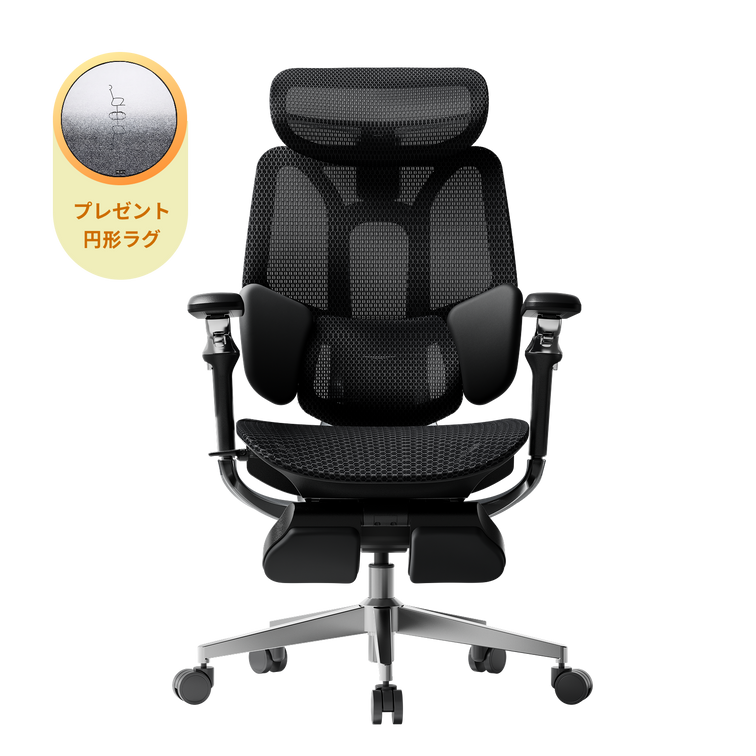
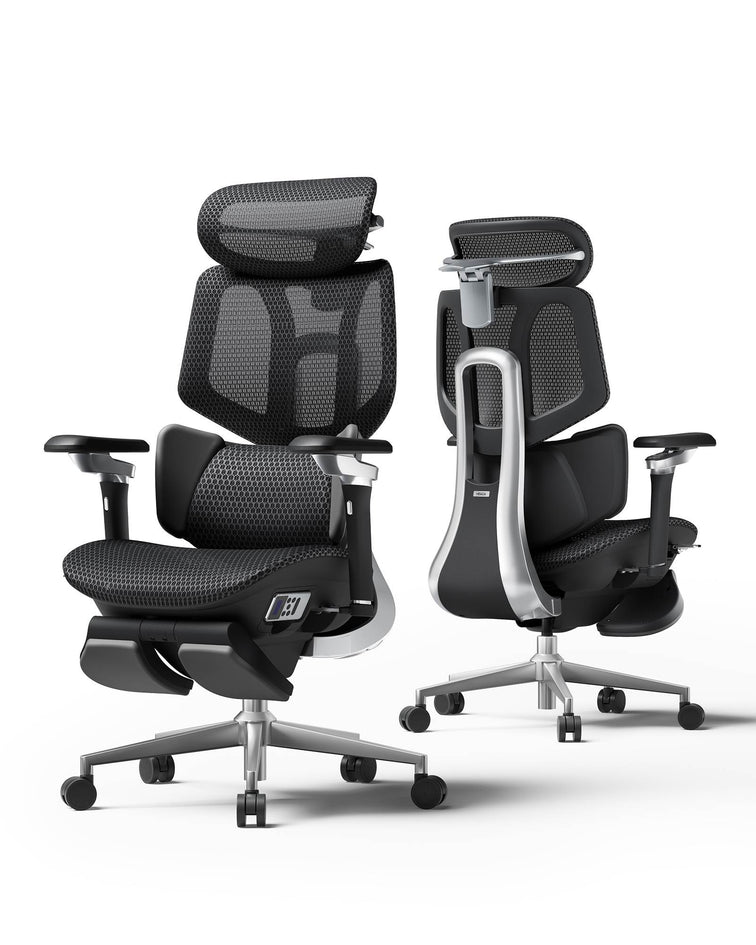
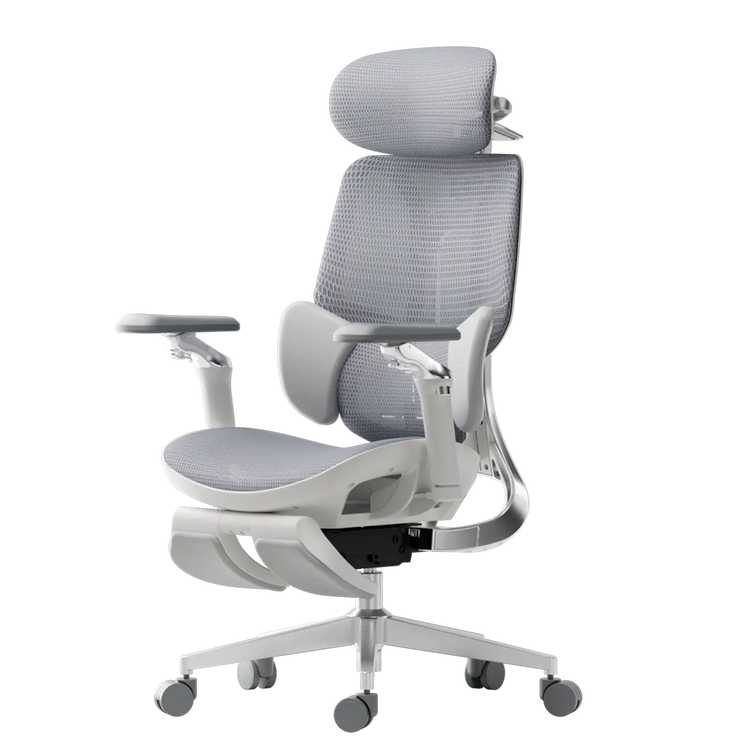
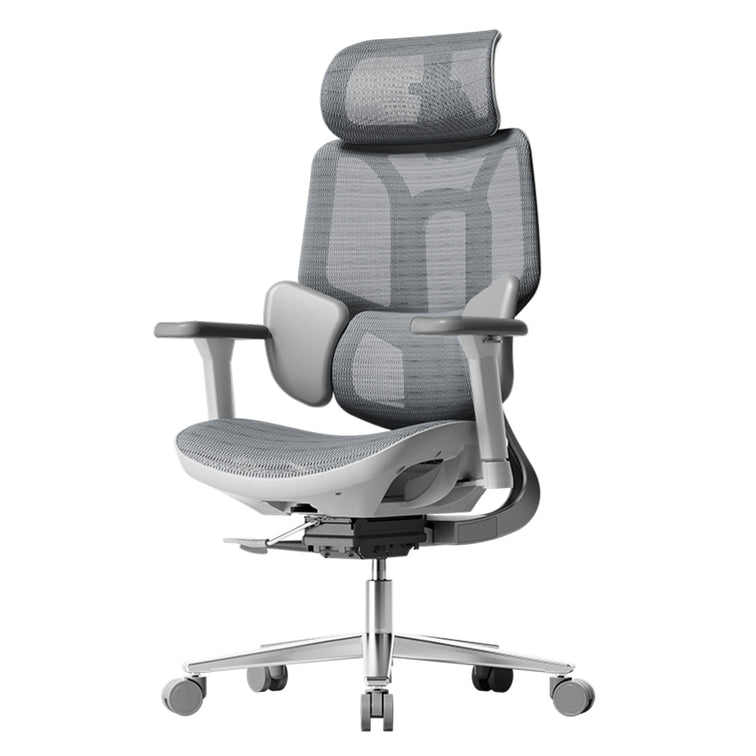
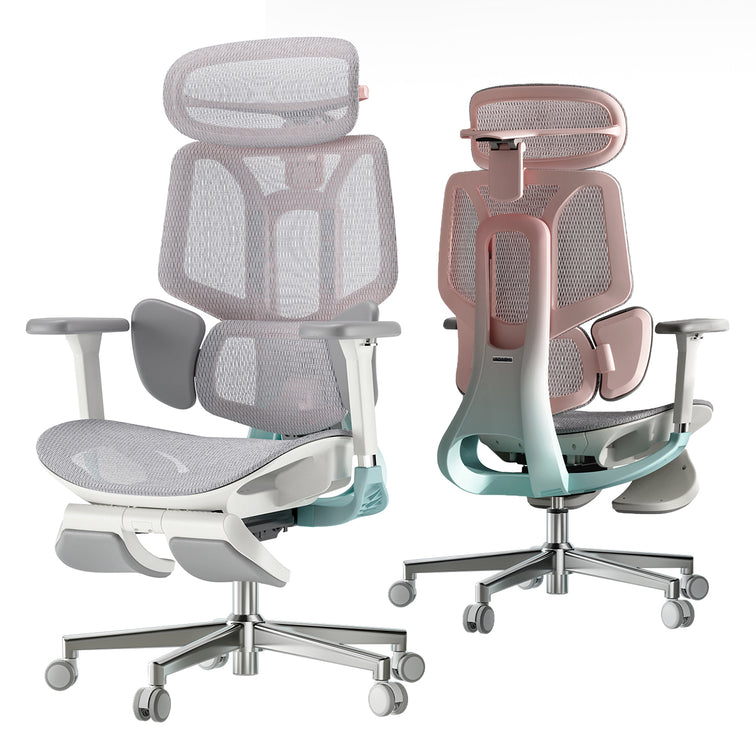
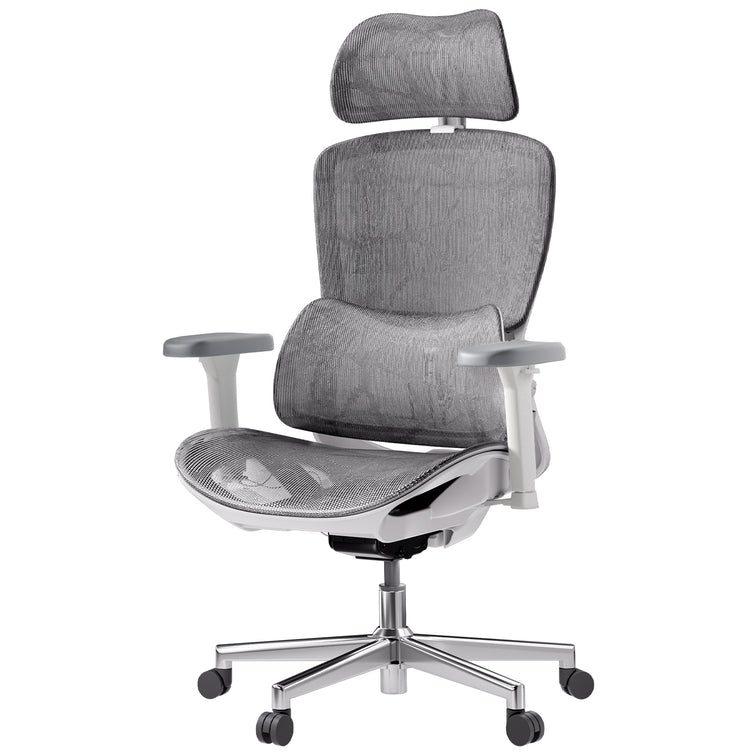
For heavier individuals or extended use, the Hbada E3 Pro 2026 model with its BIFMA-certified gas lift design is ideal. It combines a Class 4 gas lift with anti-sink functionality, a steel-reinforced frame, and a 3-zone elastic lumbar support.
For those seeking active support, the Hbada X7 Smart Ergonomic Chair features an AI lumbar tracking design. It builds on the same certified, explosion-proof cylinder foundation while actively following your spine's movements in real-time.
| Feature | Hbada E3 Pro 2026 Model | Hbada X7 Smart Ergonomic Chair |
|---|---|---|
| Best For | Heavy-duty use, long shifts | AI active support, precise all-day adjustments |
| Gas Lift | Class 4 with Anti-Sink, BIFMA Certified | Class 4, BIFMA Certified |
| Lumbar Support | 3-Zone Elastic Lumbar Support | AI Lumbar Tracking, Auto-Adjusting |
| Frame | Steel-Reinforced Chassis | Reinforced Ergonomic Frame |
| Recline | Up to 140 degrees | Dynamic, posture-following |
| Safety Testing | SGS, TUV, 100k+ cycles | SGS, TUV, 100k+ cycles |