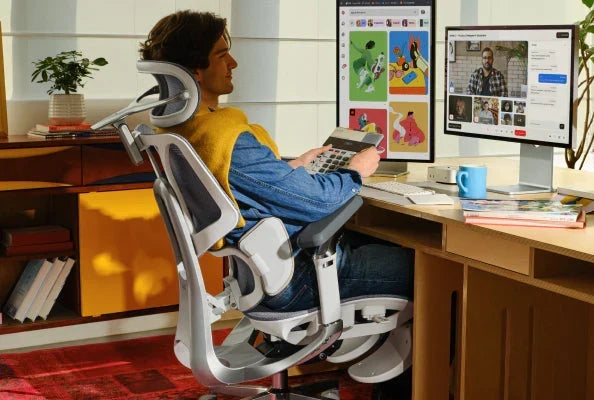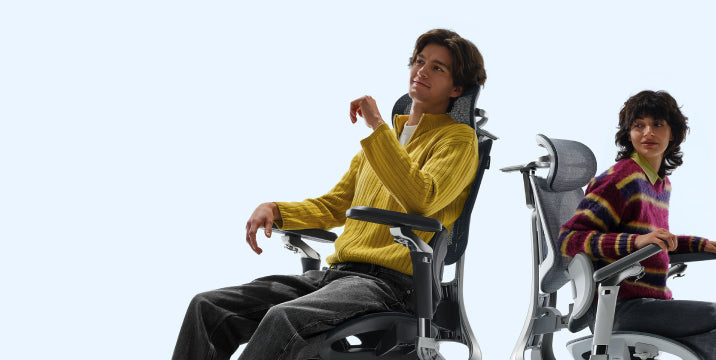




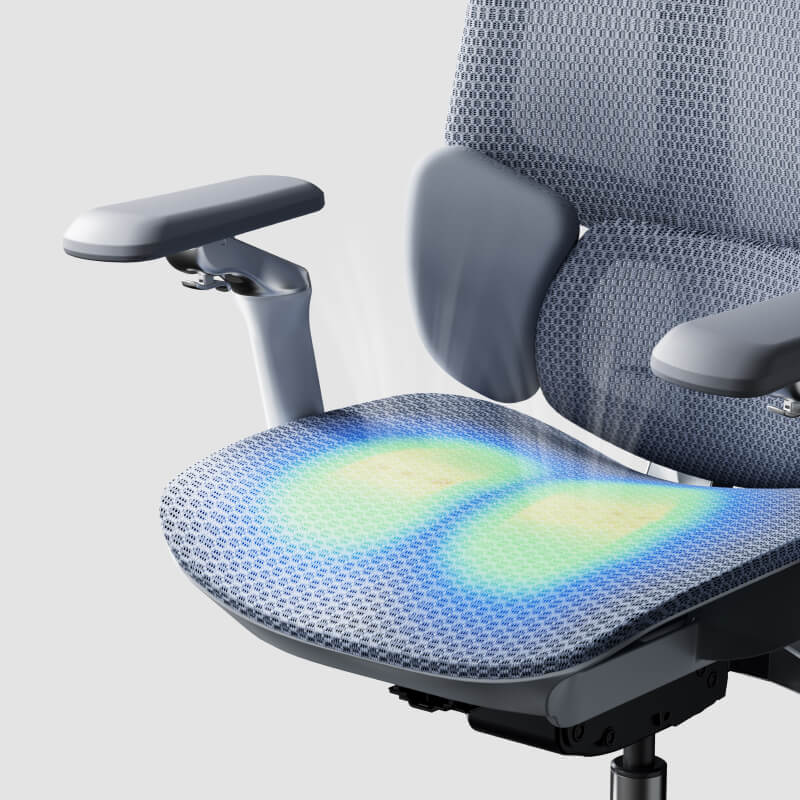
As you endeavor to upgrade your home office setup, a persistent question invariably arises: "Is an expensive ergonomic chair truly worth the investment, or will a budget-friendly option suffice?" Many initially gravitate towards the most affordable choice, only to find that cheap foam and rigid frames lead to chronic back pain and decreased productivity, often necessitating a replacement within a year. Understanding the direct correlation between a chair's engineering and your long-term physical well-being can dramatically alter your perspective on this purchase. This 2026 Office Chair Pricing Guide will meticulously dissect the value proposition at each price point, helping you determine how much to budget for your home office chair to ensure lasting physical comfort and a high return on your health investment.
The True Cost of Cheap Seating vs. a Quality Investment
Clinical data estimates that using a non-ergonomic chair for more than four hours a day accelerates disc compression by 30%, leading to an annual productivity loss and physiotherapy costs equivalent to approximately £950 ($1,200). Investing in the commercial-grade biomechanical support engineered by Hbada can reverse this negative cycle by maintaining neutral pelvic alignment, thereby significantly reducing cumulative spinal strain.
The Invisible "Health Tax" of Cheap Chairs
Affordable office chairs accumulate daily wear and tear on your body. Many such chairs use low-density foam and rigid plastic backrests that fail to support the natural curvature of your spine. Without proper support, your lower back slumps, forcing your core muscles to work harder to maintain posture. After eight hours, this leads to muscle inflammation, reduced blood flow to the legs, and chronic lower back stiffness, making it difficult to focus on work.
Replacement Frequency vs. Long-Term Return on Investment
Common budget-friendly chairs, costing around £120 ($150), often degrade within 12-18 months due to gas cylinder pressure loss, castor wheel wear, and foam compression. Replacing a cheap chair annually amounts to approximately £600 ($750) over five years, not including additional healthcare costs incurred due to poor posture. Conversely, investing in a high-quality chair designed for ten years of use is more economical in the long run, avoiding frequent replacements and reducing health-related expenses.
The 2026 Office Chair Pricing Guide
As of 2026, ergonomic chairs are categorized into three main price tiers: budget-friendly models under £150 (under $200), performance chairs from £150-£450 ($200-$600), and smart therapeutic chairs priced at £450 and above ($600 and above). Each successive tier offers improved material quality, enhanced support features, and greater comfort for prolonged use.

The Budget Tier (Under £150)
Chairs under £150 typically feature only basic height adjustment and fixed lumbar support. They use single-layer mesh and basic foam that often loses its shape within six months of daily use. While suitable for short periods, they lack the adjustability required for prolonged sitting. These chairs are best for occasional use and are not ideal for full-time remote work.
The Mid-Range Performance Tier (£150-£450)
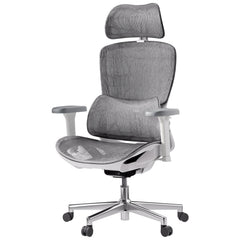
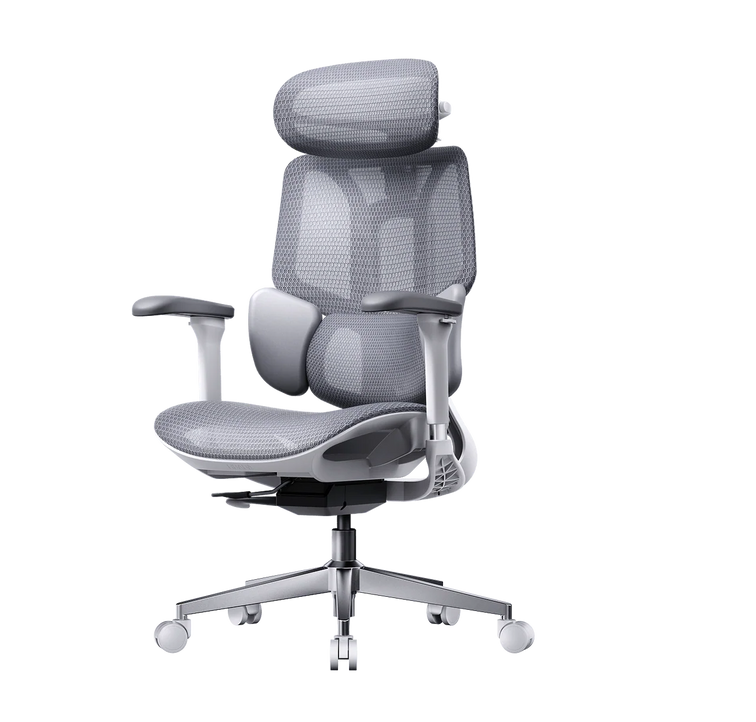
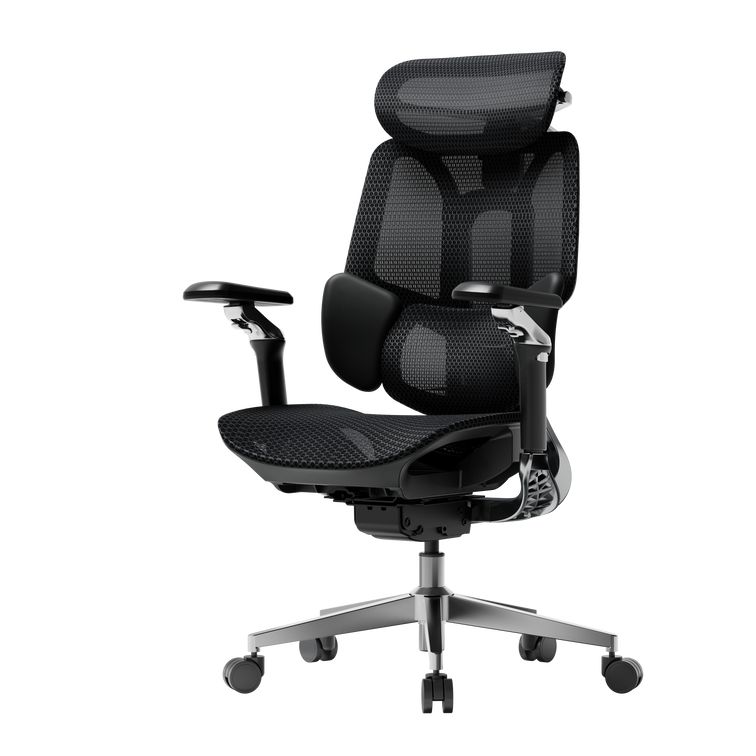
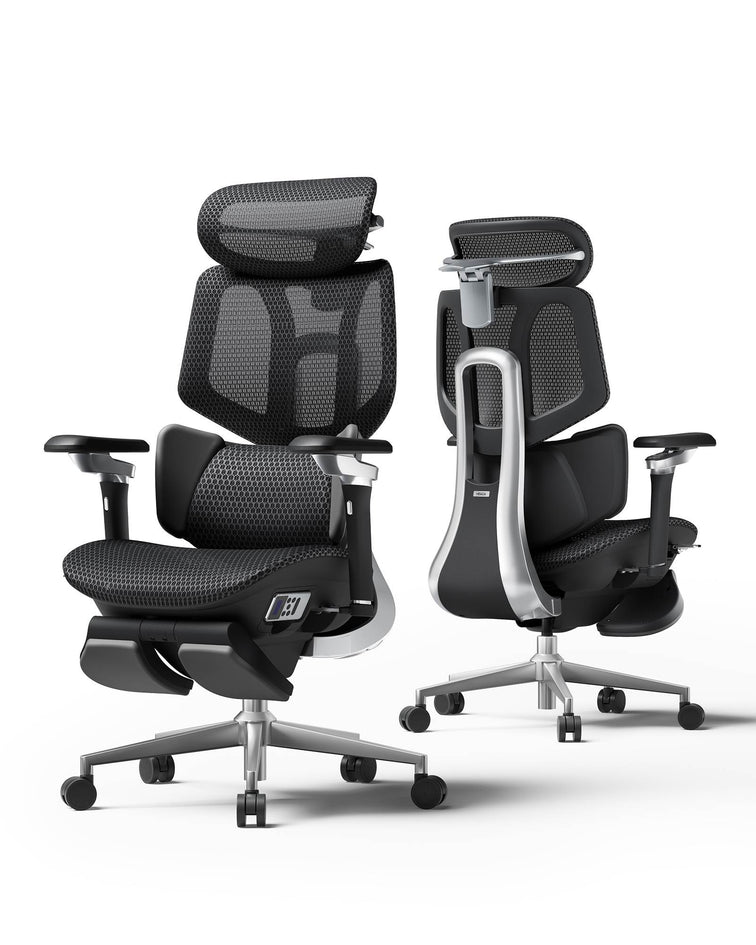
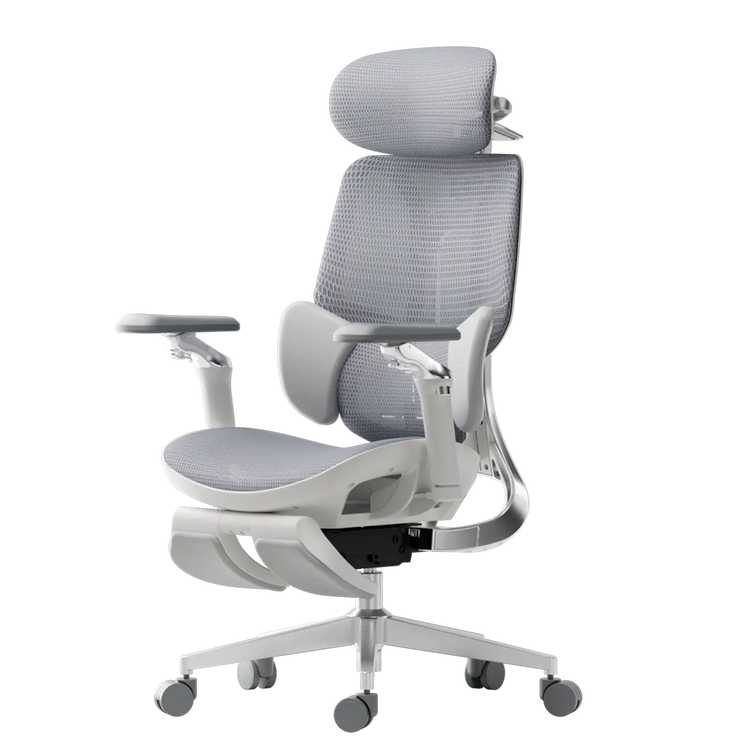
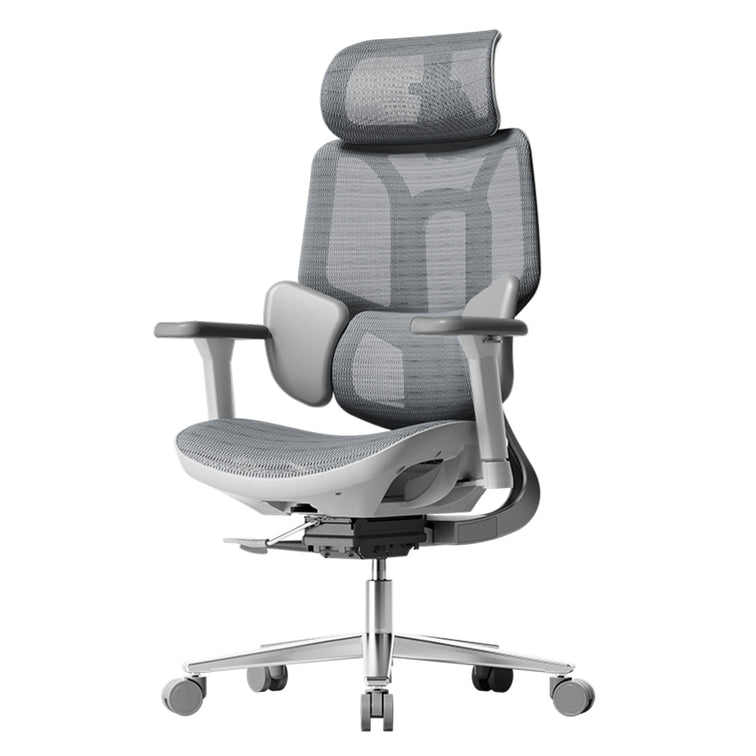
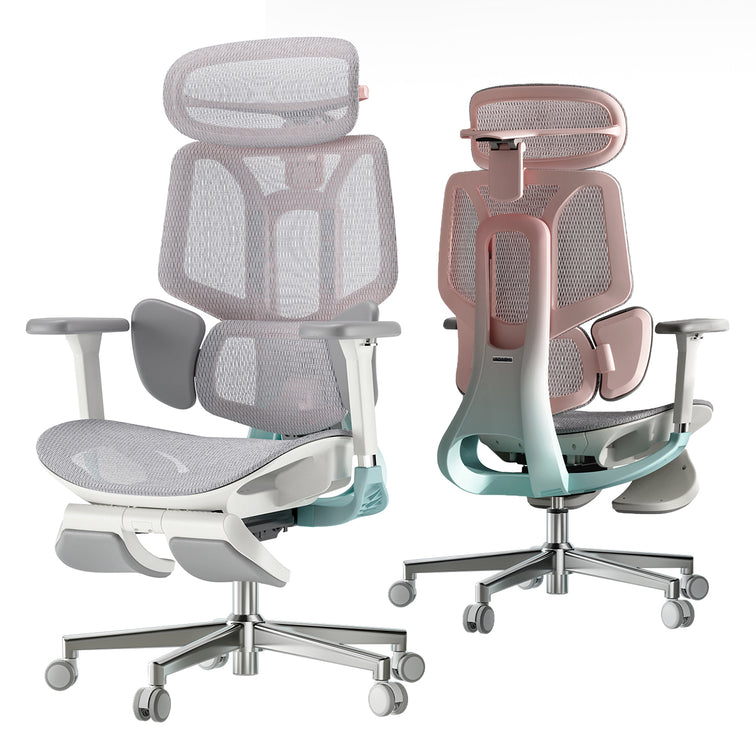
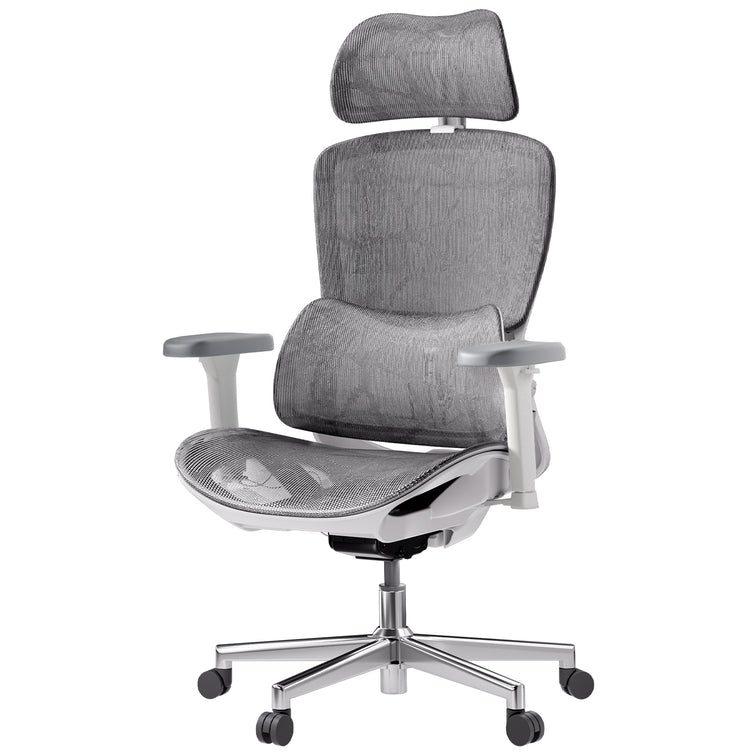
The mid-range performance tier, priced between £150 and £450, integrates robust aluminium chassis with dynamic posture-following capabilities. Models engineered by Hbada in this segment feature patented 3-zone auto-adaptive lumbar support, where spring-loaded lateral wings continuously cradle the lower back through subtle body movements. Advanced ergonomic features, such as 720° omnidirectional adjustable armrests, are now standard at this price point, precisely following forearm movements to offer unparalleled multi-directional shoulder strain relief. This tier is optimized for professionals seeking robust, Bio-Synchronized seating capable of withstanding grueling eight-hour workdays.
Explore the Robust Design and Auto-Adaptive Support of the 2026 Hbada E3 Pro Model
The Premium & Smart Tier (£450+)

The Premium & Smart Tier (£450+)
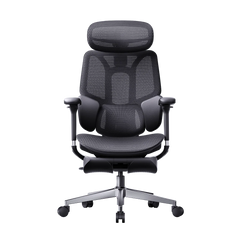
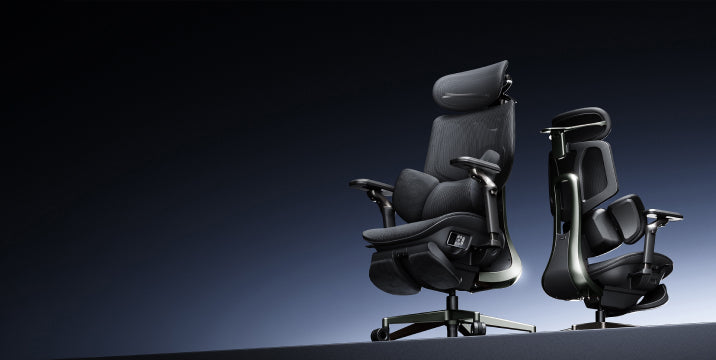
At the £450+ price point, sitting evolves beyond mere mechanical support into a fully automated wellness ecosystem. Products in this category function as intelligent spinal decompression office chairs, offering integrated bionic massage, active thermal care, and predictive tracking. The flagship Hbada AI-Powered X7 epitomizes this tier, representing the pinnacle of ergonomic office chairs in 2026. It is designed for tech-savvy power users seeking seamless, active physical recovery at their desk.
How Much Should You Invest in Your Home Office Chair?
To maximize your health investment, experts recommend choosing a chair priced at least £300 ($400) if you sit for more than five hours a day. Your individual circumstances, such as pre-existing back or neck issues, will help you determine whether a manually adjustable chair or one with smart, automated support features is more suitable.
Assess Your Daily Sitting Duration
The best way to budget for a chair is to count how many hours a day you spend sitting. Beyond four hours, the pressure on your lower back increases rapidly. If you frequently spend 8-10 hours at your desk, opting for a high-quality chair with breathable mesh and adjustable recline is crucial for maintaining comfort and preventing heat build-up.
Consider Pre-existing Health Concerns
For those dealing with chronic joint stiffness, sciatica, or repetitive stress injuries (RSIs) daily, a chair upgrade is not a luxury but a critical necessity. Upgrading to a premium-priced chair for back pain relief almost immediately pays for itself by reducing the need for continuous physiotherapy appointments, chiropractic sessions, or expensive external lumbar supports.
Why a Premium Upgrade Makes Sense: The Hbada AI-Powered X7
The Hbada AI-Powered X7 revolutionizes the premium workspace sector by actively moving its lumbar module up to 50mm in real-time, using Hall-effect magnetic pressure sensors that react in microseconds. This evolution from passive mechanical resistance to predictive algorithmic adjustment offers seamless posture correction for highly focused professionals who demand the ultimate investment in physical well-being.
From Manual Adjustments to AI Technology

Previous ergonomic chairs required constant reaching for manual tension levers and adjustment dials to fine-tune spinal support. This manual process often led to inadequate adjustment or user frustration. Upgrading to an office chair with active lumbar tracking means that a built-in automotive-grade computing chip takes full responsibility for aligning your body. Whether you lean forward to type or recline during a meeting, dual-axis internal motors sense pressure changes and move the lumbar pad to fill the gap, ensuring spinal safety without any manual intervention.
Cost Benefits of Integrated Therapeutic Features
When considering the higher initial purchase price of the Smart Tier, it's essential to calculate the total economic value of its integrated recovery features. The smart chassis includes an 8D bionic hand massage system and a 129°F (approx. 54°C) graphene infrared thermal care function, providing professional deep tissue care whenever needed. Over a three-year lifecycle, the cost of this chair is significantly less than the cumulative expense of purchasing separate massagers and heating pads, and booking professional massage sessions for desk-induced muscle fatigue.
Explore the clinical-grade automated therapeutic features integrated into our flagship Smart Series.
Price Tier vs. Performance Matrix
Over a five-year comparison, a premium smart chair delivers a 45% better return on investment compared to budget-tier products, due to avoided frequent replacements and reduced health-related costs. Here's a summary of the benefits you can expect at each price point:
| Investment Tier | Core Lumbar Technology | Upper Body Tracking | Expected Lifespan | Cost-Benefit Analysis |
|---|---|---|---|---|
| Budget (£160) | Fixed Static Cushion | Fixed Plastic Armrests | 12-18 Months | Frequent replacements needed. High physical fatigue cost. |
| Mid-Range (£600) | 3-Zone Auto-Adaptive Lumbar Support | 720° Omnidirectional Adjustable Armrests | 5-8 Years | High durability. Excellent ROI even with manual adjustments. |
| Premium (£1000+) | Motorized Smart Active Tracking | 4D Dual-Axis Neck Support | 10+ Years | Maximum health benefits. Eliminates all manual adjustments. |
UK Workplace Compliance and Regulatory Financial Impact
According to the UK's Health and Safety Executive (HSE), employers and remote professionals must comply with the Health and Safety (Display Screen Equipment) Regulations 1992 by providing highly adjustable and stable seating to mitigate musculoskeletal disorders as work-related injuries. Investing in certified ergonomic furniture helps avoid hefty fines for non-compliance while proactively reducing the physical risks associated with prolonged sitting. For corporate procurement officers equipping remote teams, investing in Hbada's rigorously vetted, BIFMA-certified seating ensures regulatory adherence and demonstrably contributes to on-site productivity by protecting the organization from compensation claims related to repetitive strain injuries.
Frequently Asked Questions
Is spending over £400 on an office chair for remote work truly worth it?
Yes, it is. Over a 5 to 10-year lifespan, the cost of a premium chair over £400 translates to a negligible daily expense. This upfront investment directly prevents severe long-term medical costs, lost productivity, and chronic lumbar degeneration caused by poorly supported, cheap foam seating.
How long do premium ergonomic chairs last before needing replacement?
Commercial-grade premium chairs, constructed from aircraft-grade aluminium and CloudMesh, are engineered to last over 10 years. Unlike budget models where foam degrades, BIFMA-certified mechanical joints and gas cylinders are designed to withstand years of heavy daily use without failure.
Does the advanced technology in the Hbada AI-Powered X7 incur maintenance costs?
No, the intelligent system is virtually maintenance-free. The tracking motors and sensors are sealed within a dust-proof casing to prevent degradation over time. The 5200mAh lithium-ion battery only requires simple magnetic charging, similar to charging a high-end smartphone.
Can premium office chairs be tax-deductible for UK home workers?
Often, yes. UK sole traders can frequently claim ergonomic chairs as an allowable capital expense. Employees working remotely should check with their HR department or HMRC regarding eligibility for DSE-related expense reimbursement or individual tax deductions.