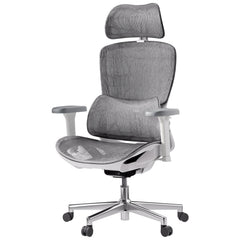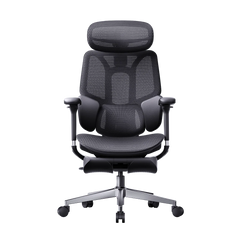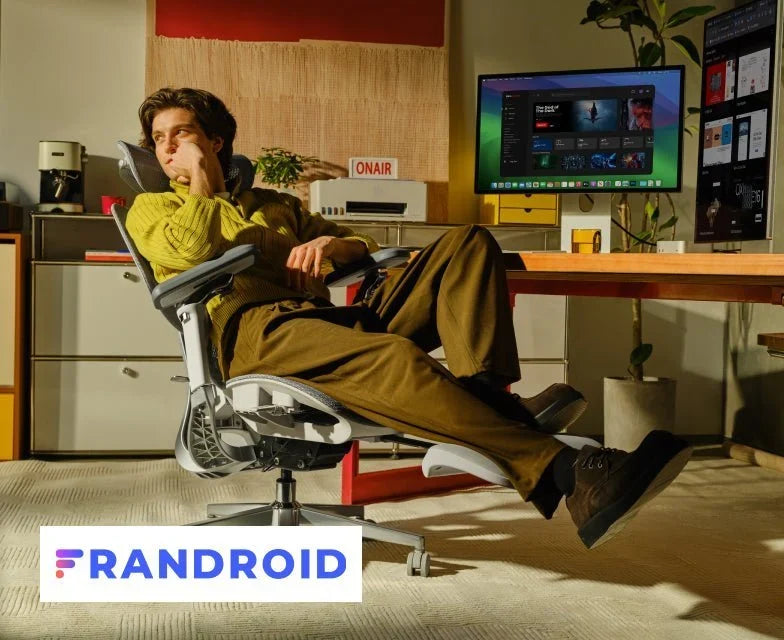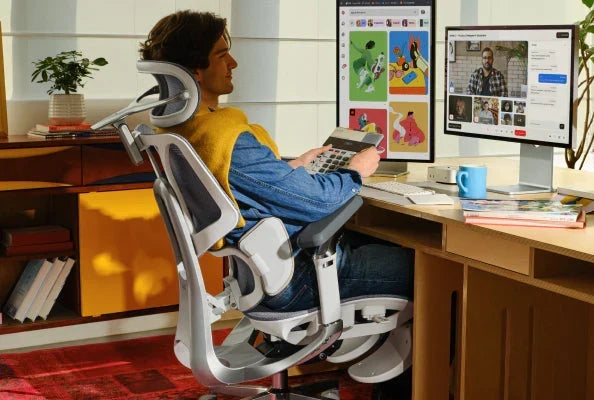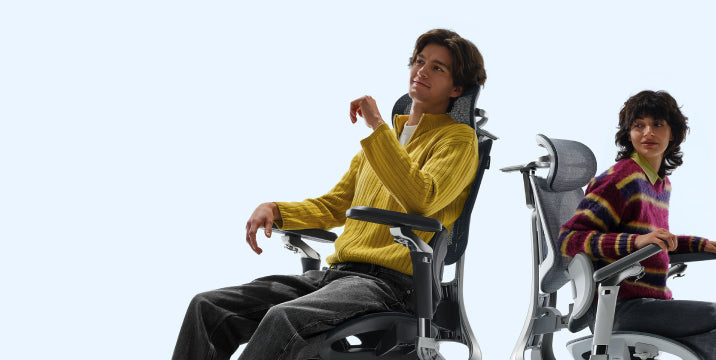
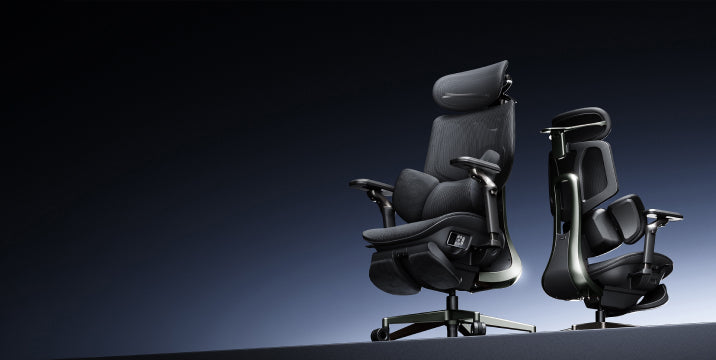
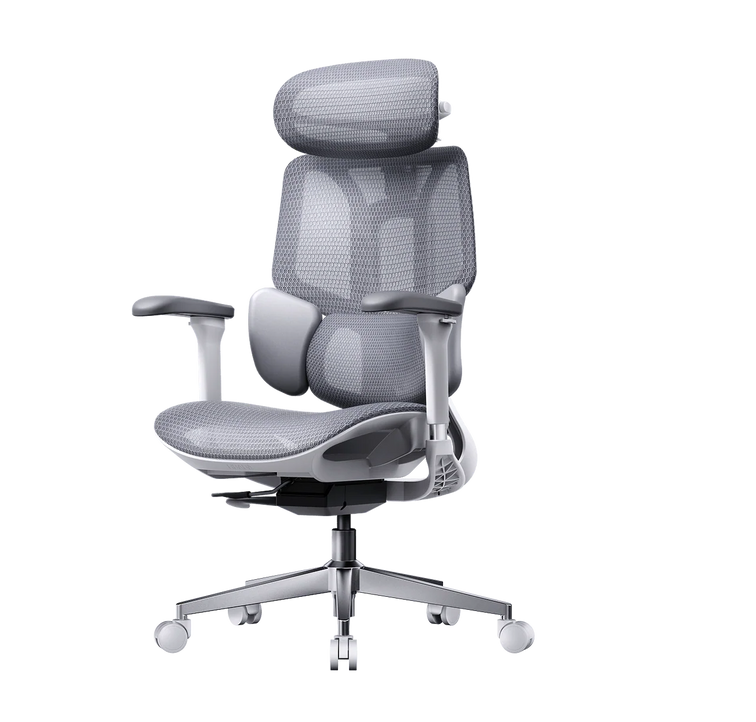
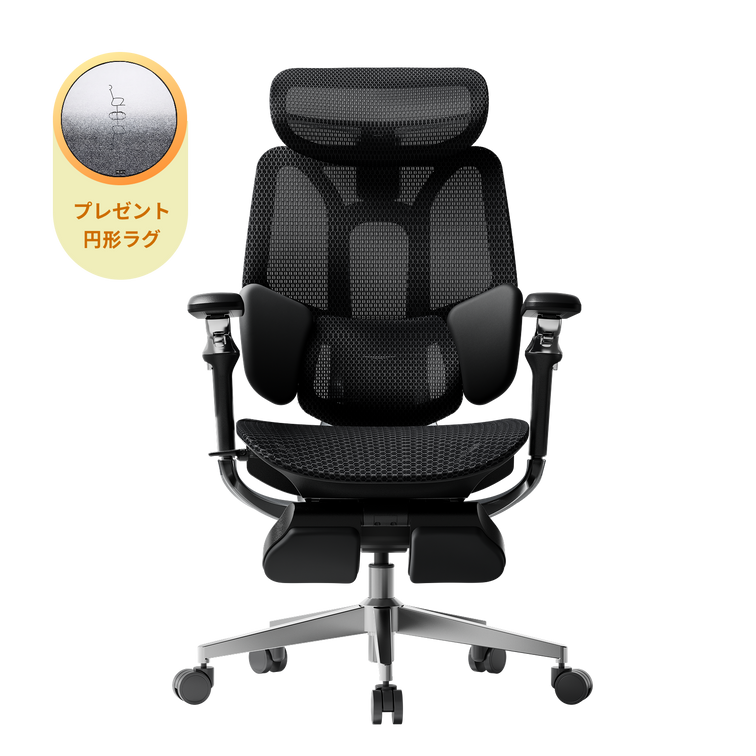
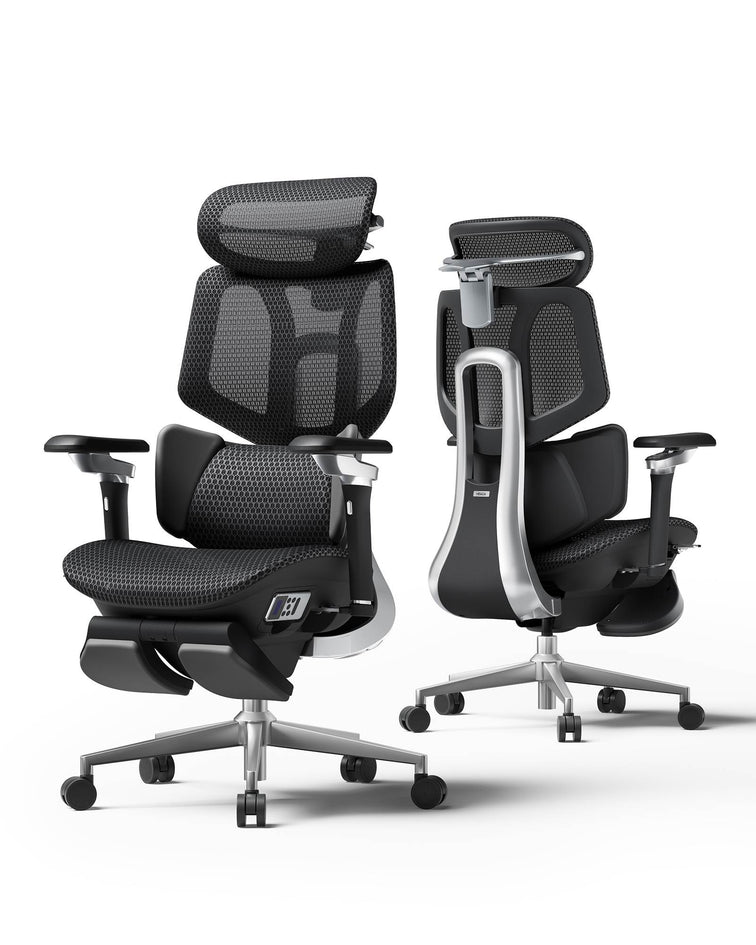
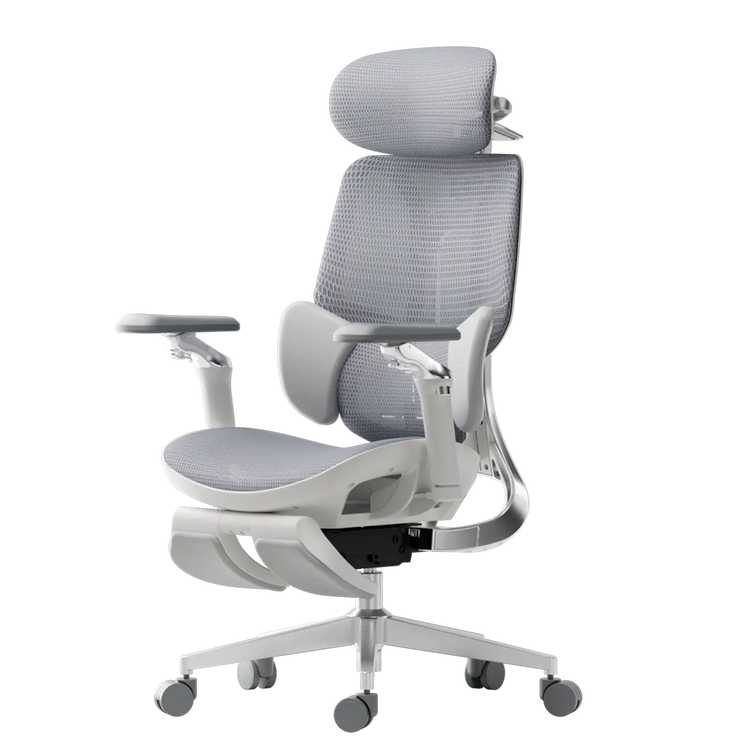
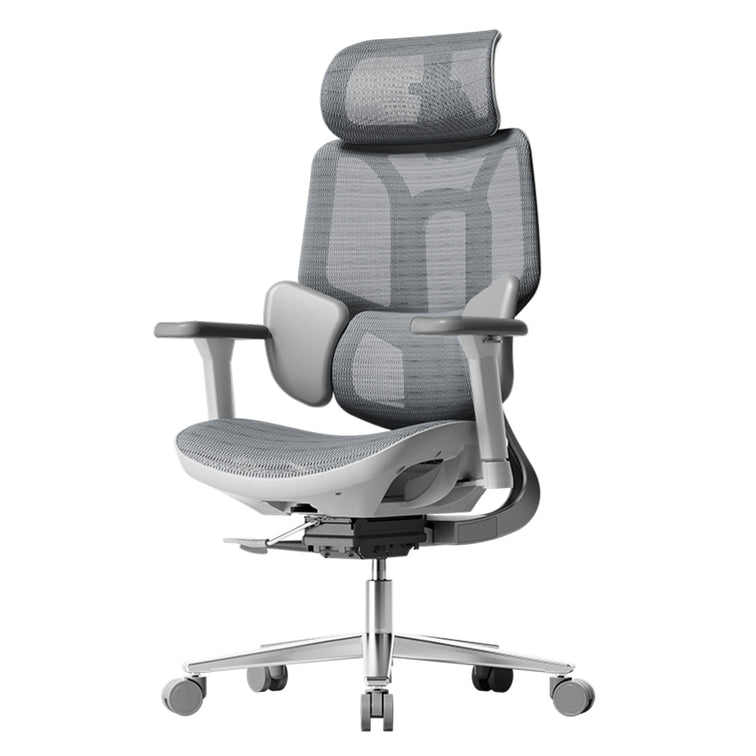
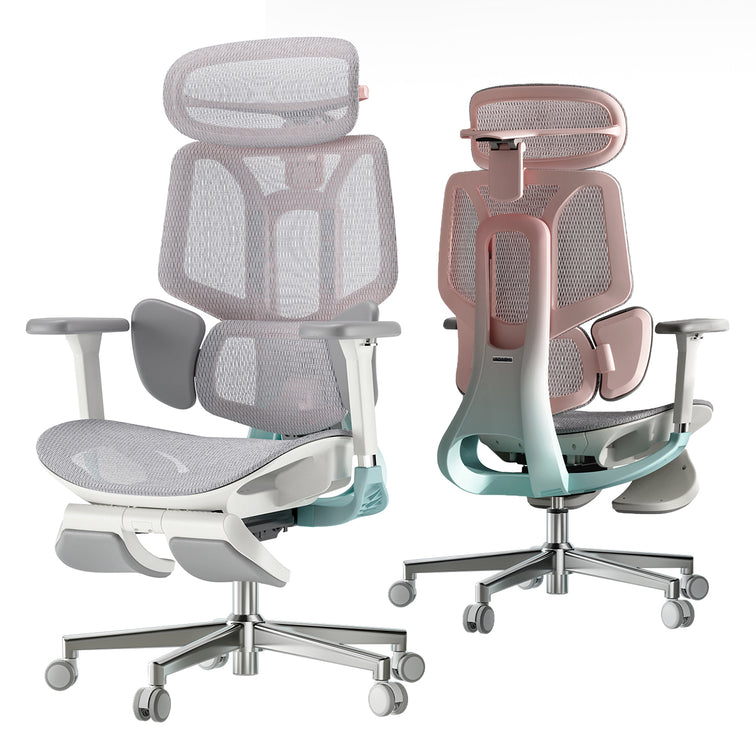
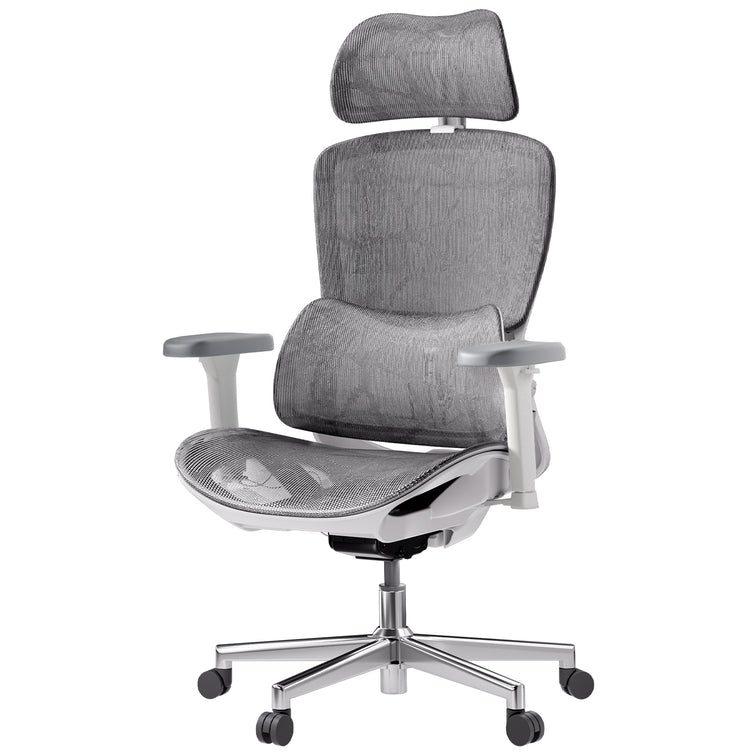


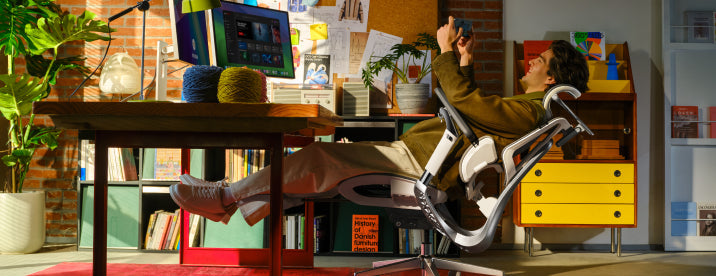



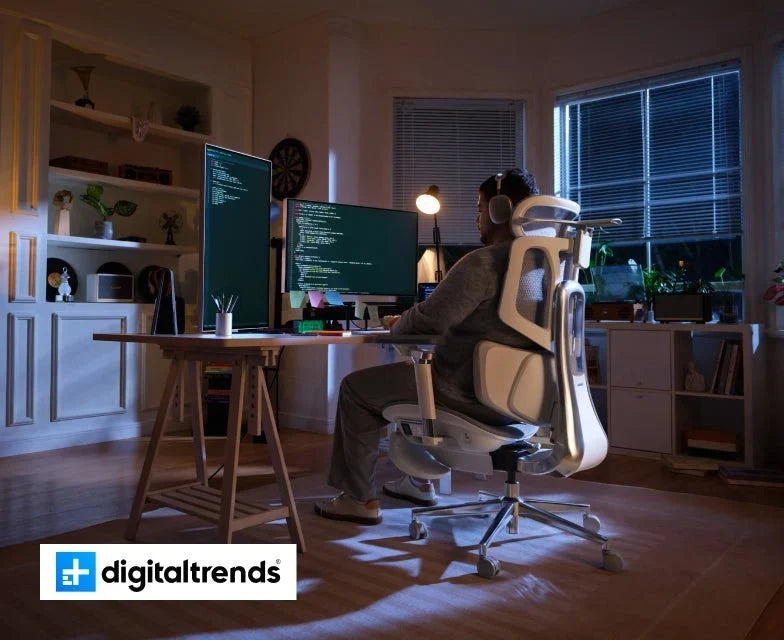
In March 2026, Digital Trends published a feature article by their staff team on the HBADA X7 Smart Ergonomic Chair.
The article focused on one central question:
Can a chair equipped with AI lumbar tracking, bionic massage, and built-in thermotherapy (heating function) truly deliver the value it promises, or is it just technology for technology's sake?
Digital Trends' assessment clearly leaned towards the former.
The Writer's Starting Point
The Digital Trends article begins with an element that enhances the reliability of the review: a realization based on personal experience.
The writer shares their experience of long ignoring discomfort from desk work.
Lower back discomfort, neck strain – and finally, the realization that the cause wasn't just workload or posture, but the chair itself, which they sat in for 6 to 8 hours a day.
This realization shaped the entire direction of the subsequent article.
This isn't just a comparison of specifications.
It's a review written from the perspective of someone who has actually experienced the same problems.

What Digital Trends Discovered: The Limitations of the Fixed Support Concept
The most crucial point Digital Trends highlighted was that many ergonomic chairs don't correctly grasp the "problem to be solved."
Ergonomic chairs come with various features such as adjustable armrests, reclining backrests, and lumbar cushions.
However, many of these offer fixed support.
They work when you're stationary.
But when you lean forward to read the news, shift your body to grab coffee, or recline during a break, the support position doesn't change.
Your muscles have to fill that gap.
Doing this 8 hours a day, 5 days a week, can lead to chronic tension and strain.
The X7 fundamentally changes this concept.
Digital Trends described the X7's AI lumbar system as a "bionic extension of the back and spinal structure."
Instead of the chair supporting the body from a fixed position, it detects the user's posture, and the support follows where it's needed.
How Does It Work?
Hall magnetic sensors acquire real-time posture information at a 1,000Hz sampling rate and transmit it to an automotive-grade processor.
Based on this information, linear motors adjust the lumbar pad forwards and backwards by up to 50mm and up to 10 degrees within milliseconds.
Whether you're leaning forward for a deadline or relaxing against the backrest during a meeting, the lumbar support constantly maintains contact with your body.
Recovery System – A Point Many Reviews Overlook
Digital Trends delved deeper into the X7's conditioning features than many other reviews.
They also highlighted why these functions hold significance beyond mere comfort.
Tension in the deep muscles that stabilize the lower back, such as the erector spinae and quadratus lumborum, doesn't simply vanish the moment you stand up at the end of the day.
The strain gradually accumulates.
If left unaddressed for weeks or months, it can lead to stiffness that is difficult to alleviate.
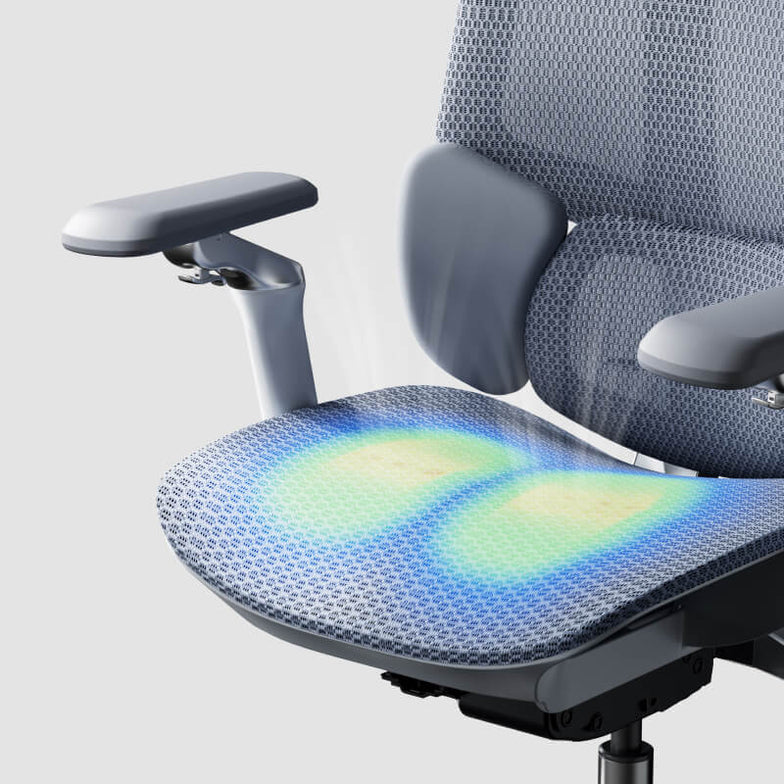
The X7's integrated 8D bionic massage function provides deep kneading through dual-core massage nodes, rather than just vibration.
It's designed to retract internally when not in use.
Furthermore, the graphene thermotherapy panels maintain a temperature range of 45-54°C, designed to offer comfortable warmth, not just a sensation of heat.
Additionally, if heat tends to build up due to the ambient temperature, a dual-fan ventilation system operating at 3,000 RPM circulates 810,000 cubic centimeters of air per minute, maintaining comfort for the seat and back even during extended use.
These are not merely additional features added to justify the price.
They are crucial functions that constitute the very design philosophy of the X7, considering the body's condition even after work is done.
Medical Expertise Underpinning the Design
One of the ways the Digital Trends article differs from superficial product introductions is its focus on the collaboration with specialists involved in the X7's design.
The X7's 3-zone floating wing structure aims for support design that specifically considers the erector spinae and quadratus lumborum muscles, rather than simply pushing against the entire lower back.
This structure was developed in collaboration with Dr. Dennis Miller, a certified doctor affiliated with the International Chiropractors Association (ICA).
Digital Trends lauded this as "an example of medical and engineering integration, designed not just for aesthetics but based on human anatomy."
This difference is significant.
A lumbar system designed with insights from the chiropractic field and one that isn't are not the same product, even if they use similar marketing language.
Is It Worth the Price?

Digital Trends also frankly addressed the X7's market positioning.
At $1,299, the X7 is positioned at the higher end of the ergonomic chair market.
In contrast, the E3 Pro and E3 Air are offered at more affordable price points while catering to a wider range of usage scenarios.
Digital Trends' opinion was clear:
For professionals who work at a desk for more than 6 hours a day, the X7 is a chair worth investing in.
It is particularly suitable for those already experiencing lower back strain or those wishing to prevent future strain.
The AI posture tracking, recovery functions, and long-term durability confirmed by BIFMA X5.1 testing make it not just a furniture choice, but an investment in long-term comfort.
Digital Trends also clearly explained that the value proposition differs for lighter use environments.
View the original Digital Trends article →
View the HBADA X7 →
Discount code: HPCMAGE7 ($50 OFF)
*This article is based on a paid program published by Digital Trends on March 30, 2026.
The editorial views within the original article are those of Digital Trends and the author.
Frequently Asked Questions
Q1: What's the difference between HBADA X7's AI lumbar support and a typical ergonomic chair?
A: Most ergonomic chairs primarily offer "fixed support."
When you lean forward or shift your weight, a gap forms between your back and the chair, requiring your muscles to compensate for the lack of support.
The HBADA X7 features a 1,000Hz magnetic sensor and an automotive-grade processor to detect posture in real-time.
Linear motors adjust the lumbar pad up to 50mm forwards and backwards and change its angle by up to 10 degrees within milliseconds, providing continuous support that follows the movements of your spine.
Q2: Is the HBADA X7 merely a vibrating massager, or does it offer a full-fledged massage function?
A: Unlike the simple vibrating pads found in many chairs, the HBADA X7 features an 8D bionic massage system.
Dual-core nodes provide deep kneading, designed to target the muscles supporting the lower back, such as the erector spinae and quadratus lumborum.
Additionally, the massage nodes fully retract when not in use, preventing them from pressing against your back while you work.
Q3: How do the X7's temperature controls (heating/cooling) work?
A: The X7 is equipped with a dual climate recovery system.
For a warming function to relax muscles, graphene thermotherapy panels maintain a temperature range of 45-54°C.
Furthermore, in warmer office environments, a dual-fan ventilation system operates at 3,000 RPM, circulating 810,000 cubic centimeters of air per minute to reduce back sweat.
Q4: Is the HBADA X7 medically certified for back pain?
A: The X7's 3-zone floating wing lumbar structure was co-developed with Dr. Dennis Miller, a certified doctor affiliated with the International Chiropractors Association (ICA).
It adopts a shape designed to consider the deep muscle groups involved in lumbar stability, rather than simply applying general pressure.
Q5: Is the $1,299 HBADA X7 truly worth the investment?
A: As Digital Trends highlighted, the X7 is positioned not merely as furniture, but as an investment in long-term comfort.
It is suitable for professionals who sit for more than 6 hours a day, or users who prioritize comfort in long-duration work environments.
With long-term durability validated by BIFMA X5.1 testing, AI posture-tracking functions, and built-in recovery features, it offers value commensurate with its price for frequent users.
(Hint: Use code "HpcmagX7" at checkout for a $50 discount.)