




20-8-2 Method: How to Maintain Healthy Sitting Posture and High Productivity
Sitting at a desk all day can unknowingly impact your health, decrease concentration, and increase lower back strain.
Some believe standing work all day is the solution, but prolonged standing can also lead to muscle fatigue and reduced blood flow.
The key to maintaining spinal health is to regularly change your posture throughout the day.
Dr. Alan Hedge, an ergonomics professor at Cornell University, proposed the 20-8-2 rule to incorporate physical activity and boost energy during work.
Breaking Down the Method: The 30-Minute Ergonomic Cycle
The 20-8-2 rule divides 30 minutes of work time into three simple steps.
Adhering to this habit can alleviate muscle tension and promote blood flow.
20 minutes: Focused sitting ➔ 8 minutes: Active standing ➔ 2 minutes: Dynamic movement

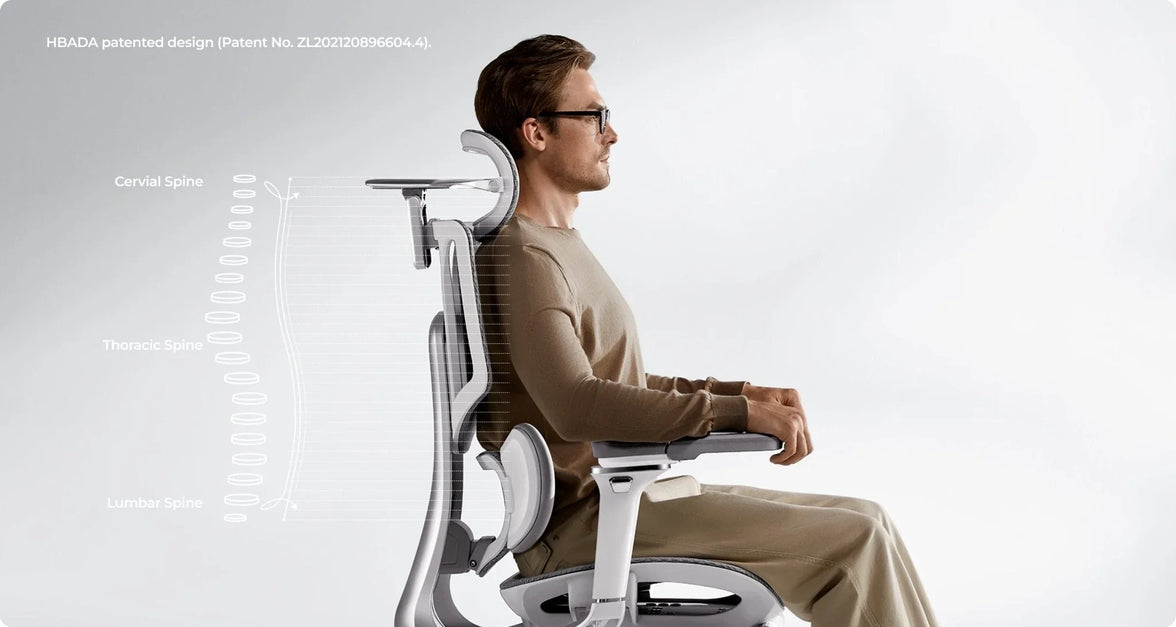
20 Minutes: Focused Sitting (Correct Alignment)
First, perform focused work in a correct posture for 20 minutes.
Key points:
- Keep your feet flat on the floor
- Maintain a 90-degree angle at your elbows
- Ensure adequate lumbar support
8 Minutes: Active Standing
After 20 minutes, stand and work for the next 8 minutes.
Standing changes the pressure on your spine, activates your core, and allows you to use your body more efficiently.
During this time, you can:
- Answer calls
- Review documents
- Check emails
etc.
2 Minutes: Dynamic Movement
For the last 2 minutes, leave your desk.
Use this time to:
- Walk a little
- Get some water
- Do some light stretching
This will relax your muscles and refresh your mind for the next task.
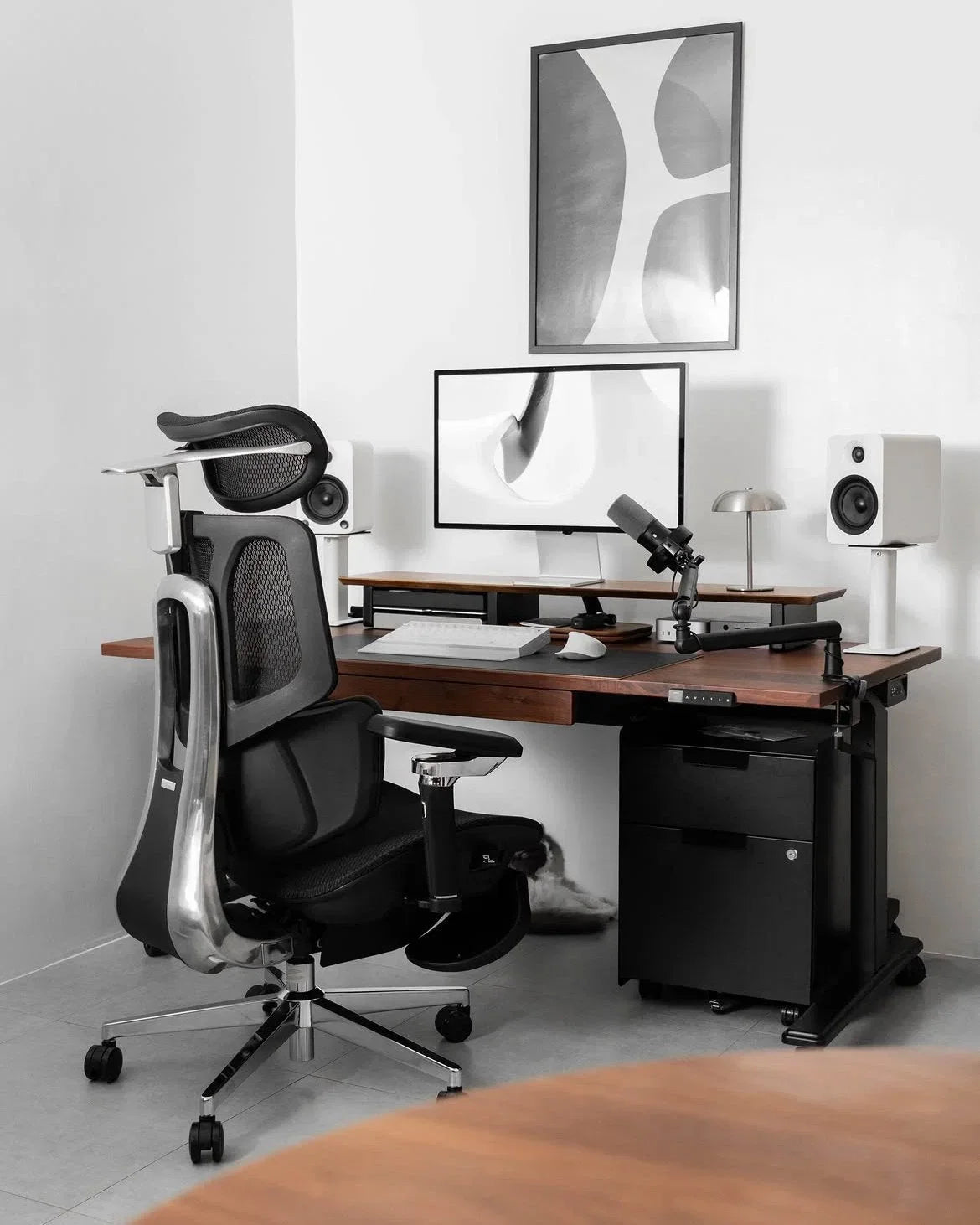
Building Your Workspace Environment: Choosing the Right Desk Setup
For easy implementation of this posture-switching routine, your workspace itself needs to accommodate quick posture changes.
Manual crank-adjustable desks can take time to switch, making it difficult to maintain as a continuous habit.
Implementing a high-quality electric standing desk system allows for smoother posture changes.
For example, combining this cycle with a high-performance Herman Miller standing desk allows for one-touch adjustment to pre-set sitting and standing heights.
The ability to switch to the optimal height in seconds allows you to change postures naturally without breaking concentration or reducing work efficiency.
Chair Design: Maximizing Your 20 Minutes of Sitting Time
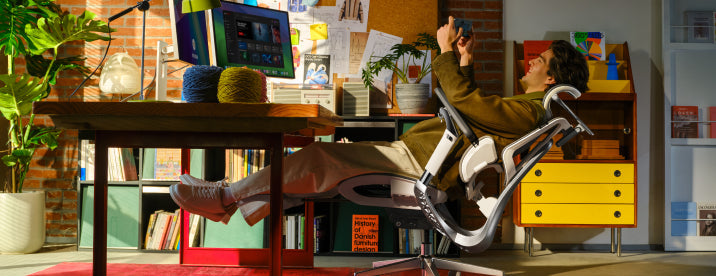
The 20-minute sitting phase of the 20-8-2 rule is only effective if your chair actively supports your body.
Sitting hunched over in a rigid, inflexible chair for 20 minutes can lead to muscle tension even before you stand up.
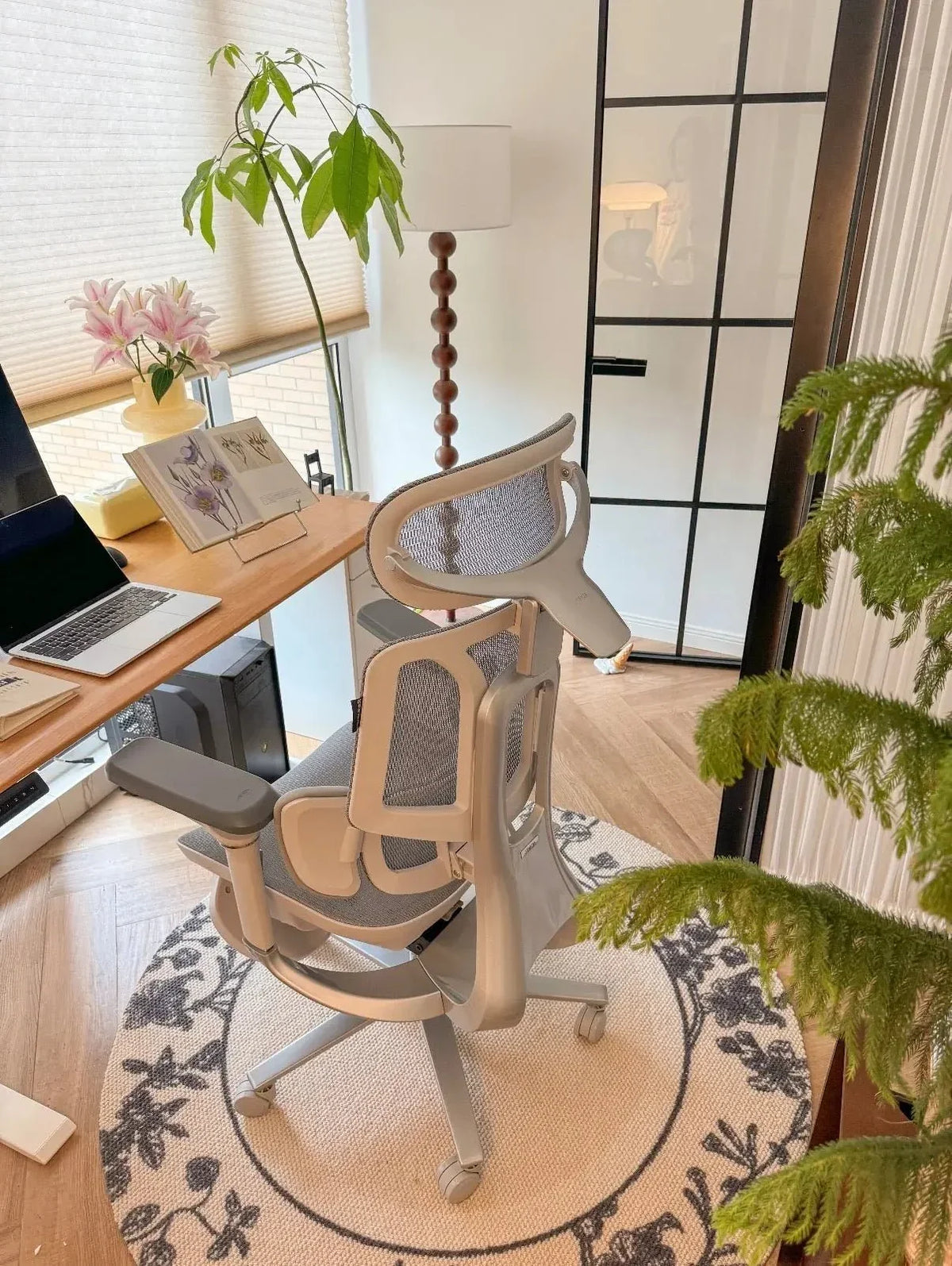
HBADA's advanced chair designs are tailored for this movement-integrated work style, featuring smart structures that respond to body movements rather than relying on manual lever adjustments.
Adaptive Structural Control: HBADA E3 Pro
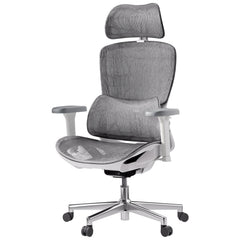
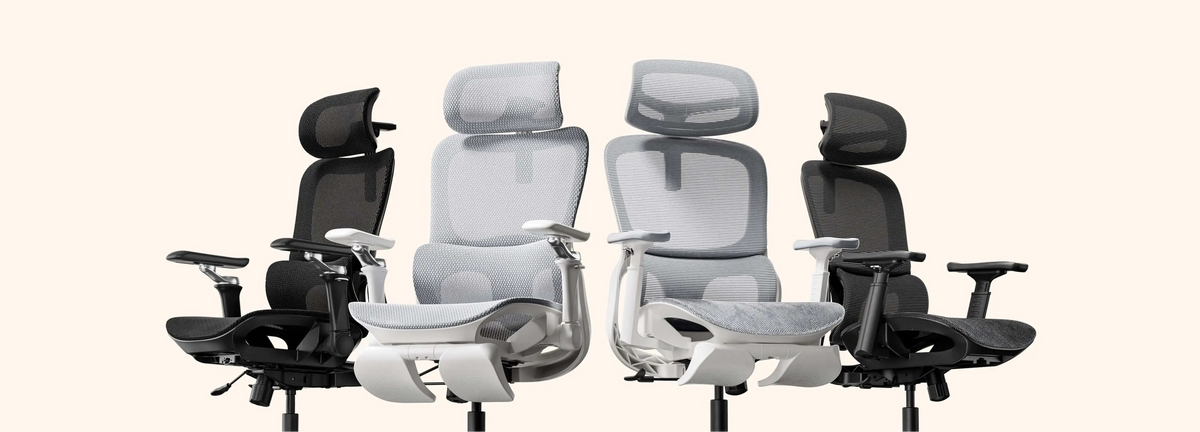
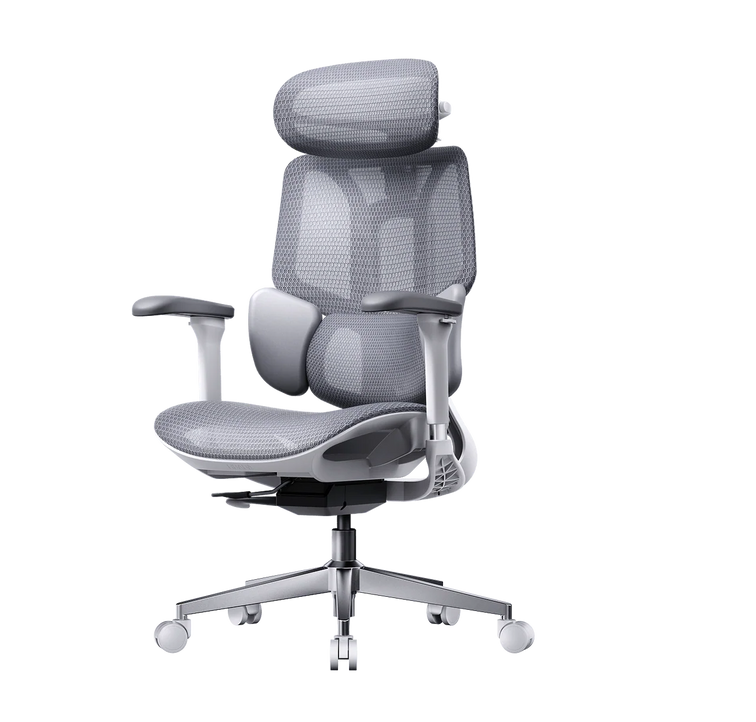
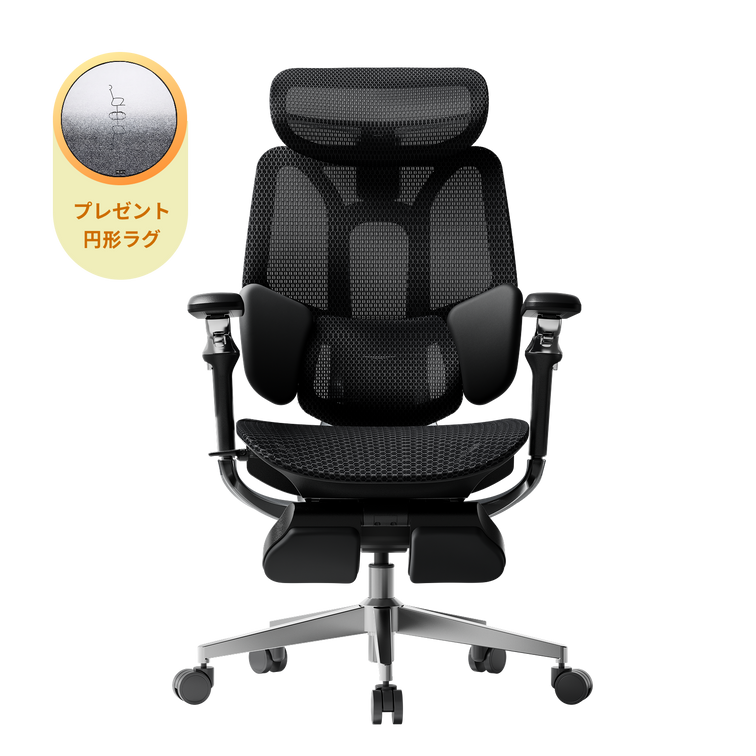
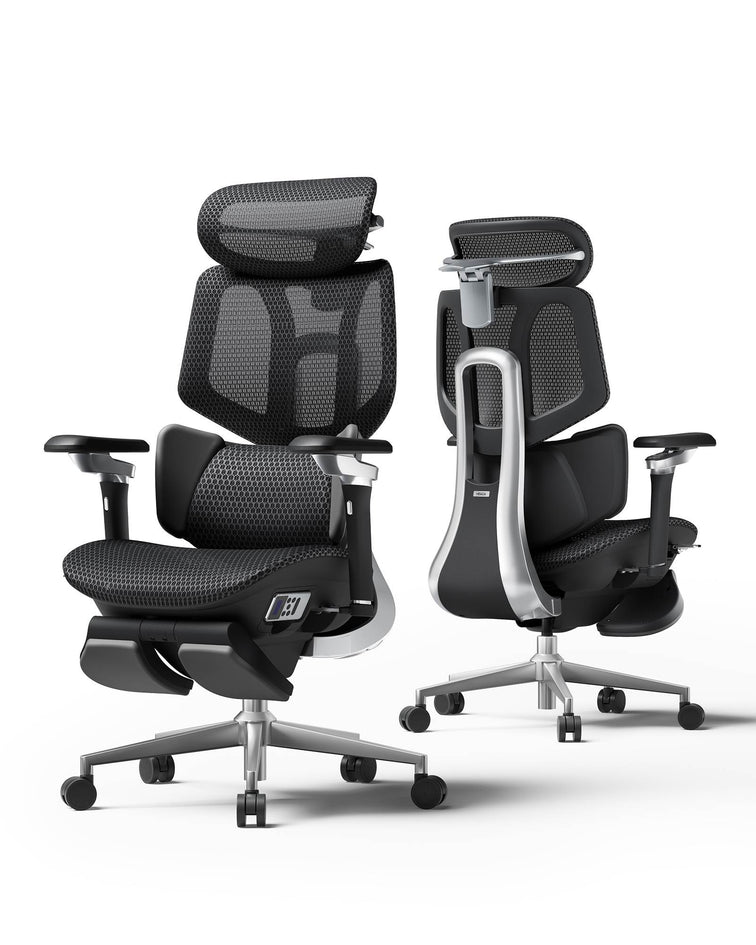
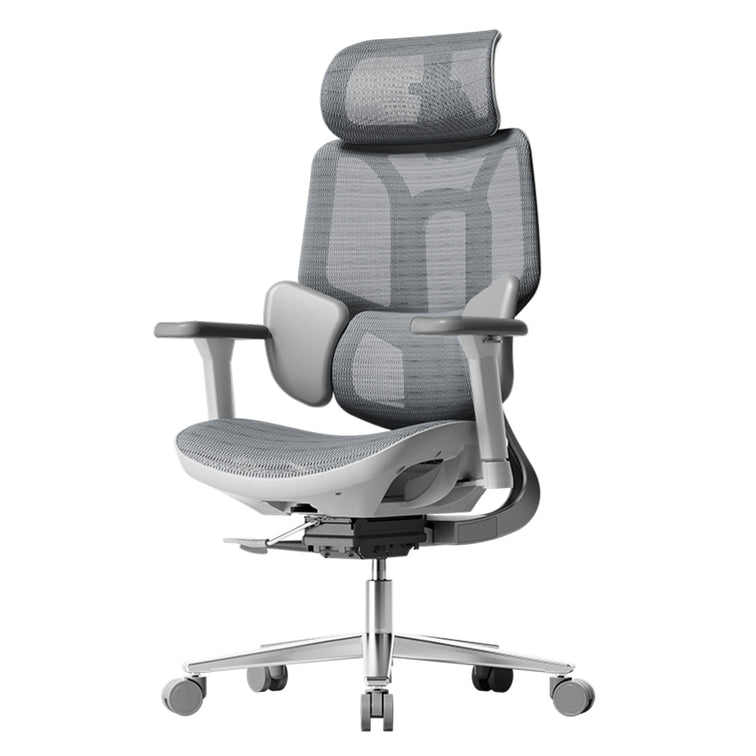
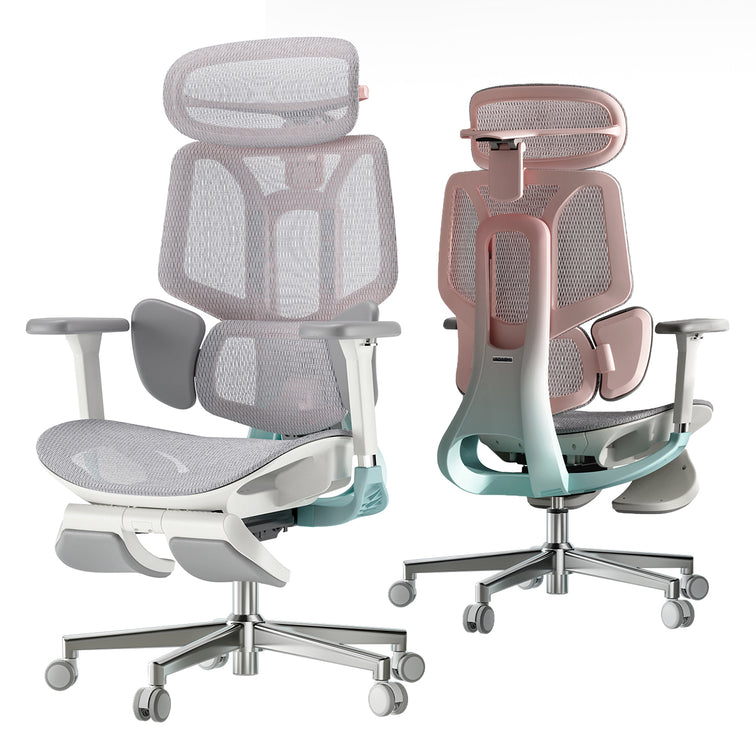
The HBADA E3 Pro 2026 model is designed for users who frequently change their posture during work.
The three-zone lumbar support system consists of:
- A central support for the mid-spine
- Left and right wings that adapt to lumbar movement
The left and right wings are adjustable up to 40°, supporting the lumbar region as you move.
As you change posture or lean forward, the chair's follow-up system moves with your body, filling the gap in your lower back.
Users do not need to make manual adjustments.
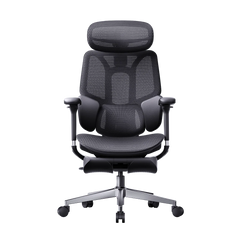
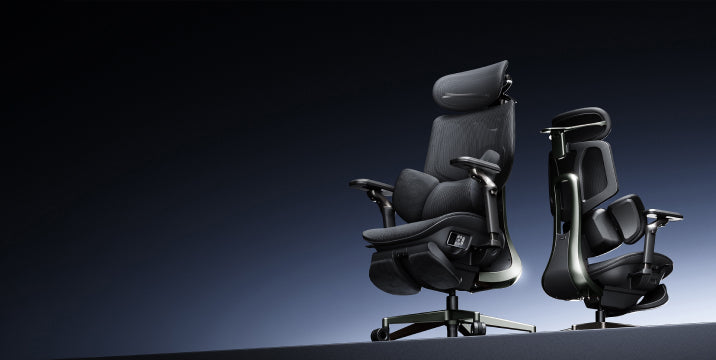
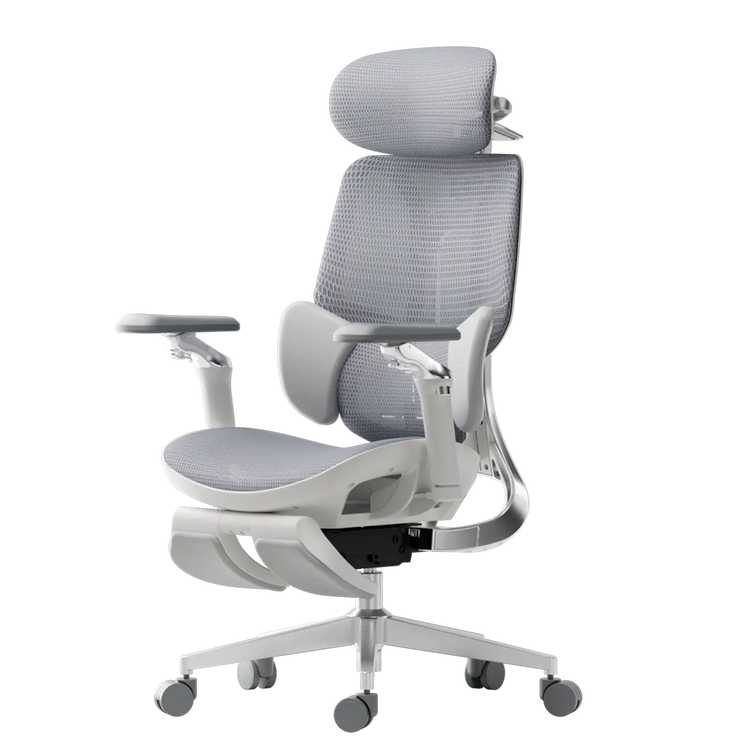
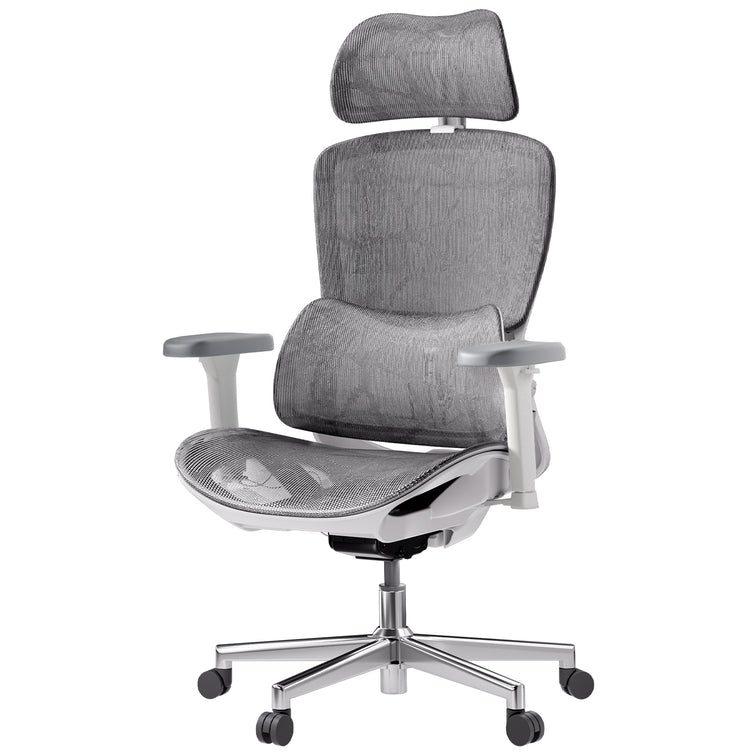
Smart Automatic Wellness Support: HBADA AI-Powered X7
For posture support, the HBADA AI-powered X7 functions like a smart wellness assistant.
Built-in sensors detect your sitting posture and adjust support in real-time.
When you begin a 20-minute focused work session, the chair automatically adjusts its support to your body.
If you start to slouch, it adjusts the support position to help you maintain a natural and comfortable posture.

Feature Integration Matrix: Enhancing the 20-8-2 Workflow
| Workspace Element | Role in Cycle | Mechanical Spec (E3 Pro) | Advanced Active Spec (X7) |
|---|---|---|---|
| Lumbar Support Strategy | Spinal protection during 20 mins focused work | 3-zone adaptive wings with 5° elastic tracking | Real-time adjustable electric AI smart tracking |
| Armrest Synergy | Reduces neck and shoulder strain during typing | 720° Omni-mechanical adjustment | 720° bio-synchronous robotic tracking |
| Muscle Relief System | Alleviates deep muscle tension during posture changes | Breathable, high-elastic CloudMesh | 8D Bionic Massage & Graphene Thermal Care |
| Movement Responsiveness | Adapts to posture changes without manual adjustment | Auto-balance gravity-sensing chassis | Sensor-driven posture memory adjustment |
Implementation Checklist: Tips for Automating Your Routine
Starting a new habit can feel difficult at first.
The following methods make it easier to incorporate the 20-8-2 method into your daily routine.
• Utilize digital notifications
Use browser extensions or smartwatch apps to manage your time.
Set notifications every 20 minutes to remind you to stand up.
Then, set a reminder after 8 minutes to signal time to move.
• Divide tasks according to posture
Manage your daily tasks according to your physical state.
Use the 20 minutes of sitting time for:
- Programming
- Writing
- Tasks requiring concentration
etc.
During the 8 minutes of standing time, you can:
- Check team progress
- Review presentation materials
- Perform light administrative tasks
etc.
• Utilize the thermal care function
If you experience muscle stiffness during sitting time, you can use the thermal function of a high-performance chair.
Warming your lower back muscles helps keep your body flexible for the next movement phase.
Frequently Asked Questions (FAQ)
Q: Is it okay to stand for 20 minutes and sit for 8 minutes?
A:
It is not recommended.
Dr. Hedge's research indicates that standing still for more than 10 minutes can lead to blood pooling in the lower body, placing static strain on blood vessels and feet.
Setting the standing time to 8 minutes allows for an ideal reset effect while minimizing physical strain.
Q: How do adaptive lumbar support chairs help with the 20-8-2 rule?
A:
Most office chairs maintain a fixed position, requiring your body to conform to the chair's shape.
Adaptive chairs, on the other hand, automatically adjust to your body's movements, continuously supporting your lower back even during sitting time.
This helps reduce muscle stiffness when you stand up.
Q: What should I do during the 2 minutes of movement time?
A:
Perform light exercises to promote blood circulation.
For example:
- Walk down the hall
- Get some water
- Shoulder rolls
- Light calf stretches
are recommended.
Avoid looking at your smartphone during this time to give your eyes a break as well.
Q: Is a standing desk essential for using the 20-8-2 rule?
A:
It is not essential.
While a high-quality electric standing desk makes posture changes easier, you can start without one.
During the 8 minutes of standing time, you can:
- Answer calls at a high counter
- Place a laptop stand on a regular desk
and continue working this way.
Conclusion
In 2026, the demands on our bodies from work are greater than ever.
To cope with this, our work environments also need to become smarter.
The optimal workspace configuration depends on how much you wish to automate your daily routine.
For those seeking robust mechanical structures that instantly adjust support zones by leveraging body weight, the HBADA E3 Pro provides an excellent foundation for active ergonomics.
Conversely, for those who desire automatic posture tracking, real-time adjustments via built-in sensors, and even a massage function to alleviate muscle tension between tasks, upgrading to the HBADA AI-powered X7 is the optimal investment for enhanced health and concentration.