



Choosing between mesh and foam office chairs for extended use is a central consideration in office ergonomics. Each material offers distinct advantages, and the optimal selection must account for factors such as body temperature regulation, individual sitting patterns, and specific spinal health requirements. For those susceptible to overheating or chronic back discomfort, seat material plays a pivotal role in influencing outcomes. The following analysis applies scientific principles to both materials, equipping professionals to make informed decisions that prioritize health and productivity.
Breathability and Thermal Comfort
The principal distinction between mesh ergonomic chairs and cushioned office chairs is their approach to temperature regulation. For professionals operating in varied climates, excess heat buildup can markedly diminish concentration and comfort.
The Advantage of Airflow
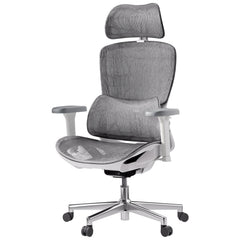
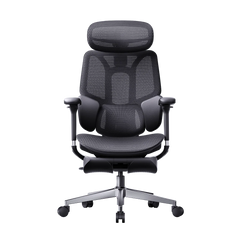
A mesh office chair is specifically engineered to maximize airflow surrounding the user. In contrast, traditional foam acts as an insulator, retaining body heat and often leading to excessive perspiration and discomfort. High-tensile mesh designs facilitate efficient heat dissipation, ensuring consistent comfort and sustained focus for extended work periods.
When Foam Falls Short
Although high-density foam office chairs initially yield a plush sensation, foam inherently insulates, resulting in heat retention during prolonged use. This process can eventually compromise the material's structural integrity. For individuals prone to overheating, a mesh ergonomic chair with enhanced breathability is the superior option for enduring comfort.
Support, Pressure Distribution, and Spinal Health
When discussing whether a mesh chair is better than a foam chair for back pain, we have to consider how each material distributes your weight.
Mesh and Spinal Alignment
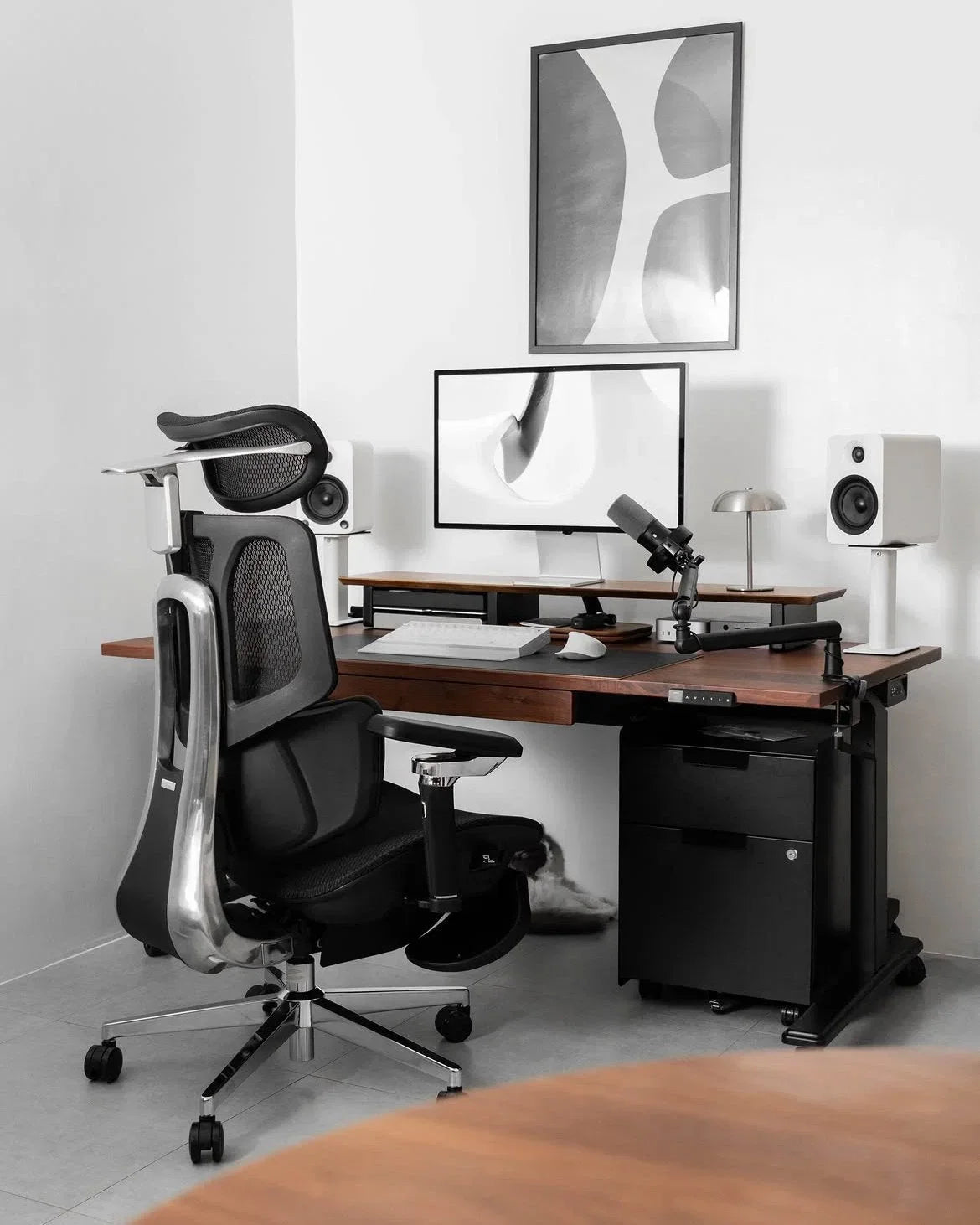
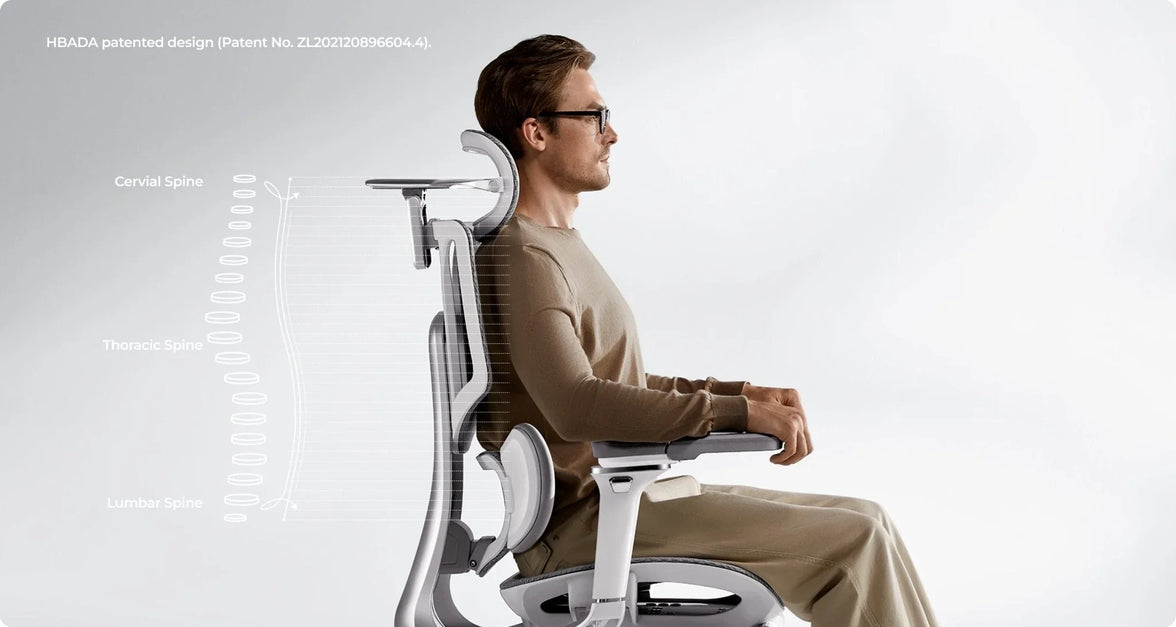
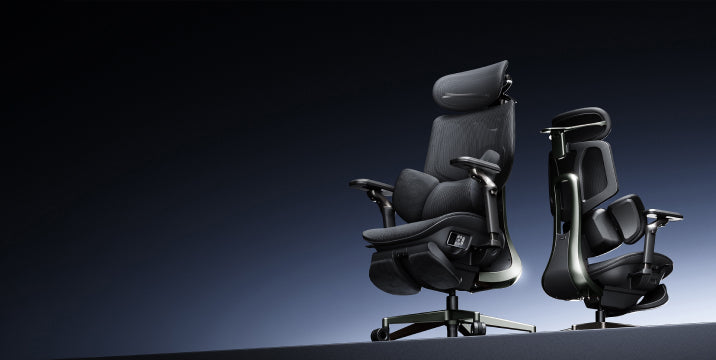
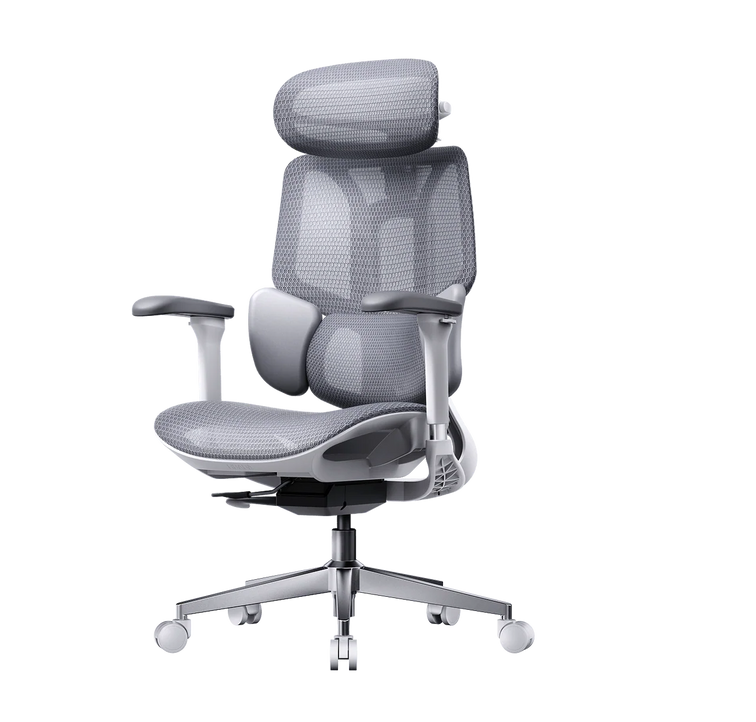
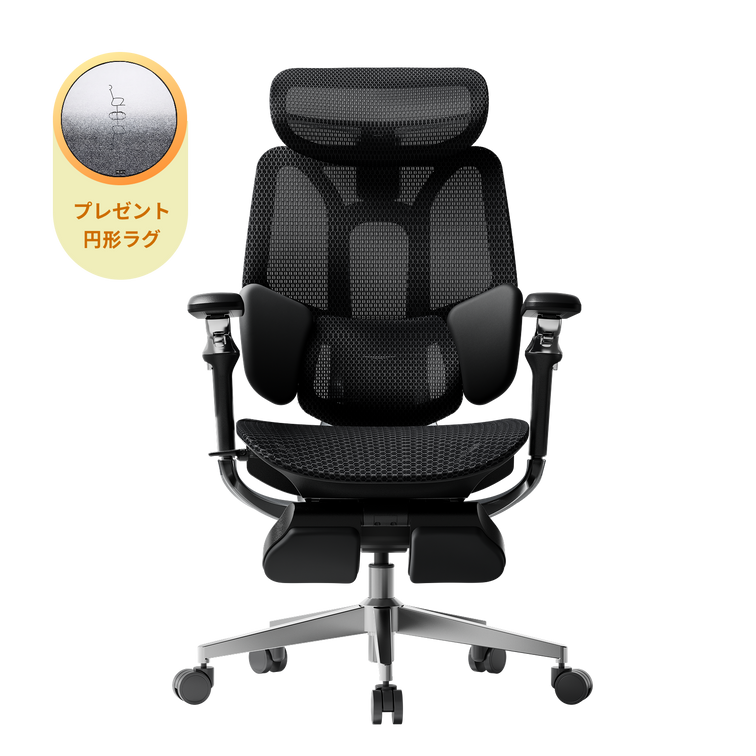
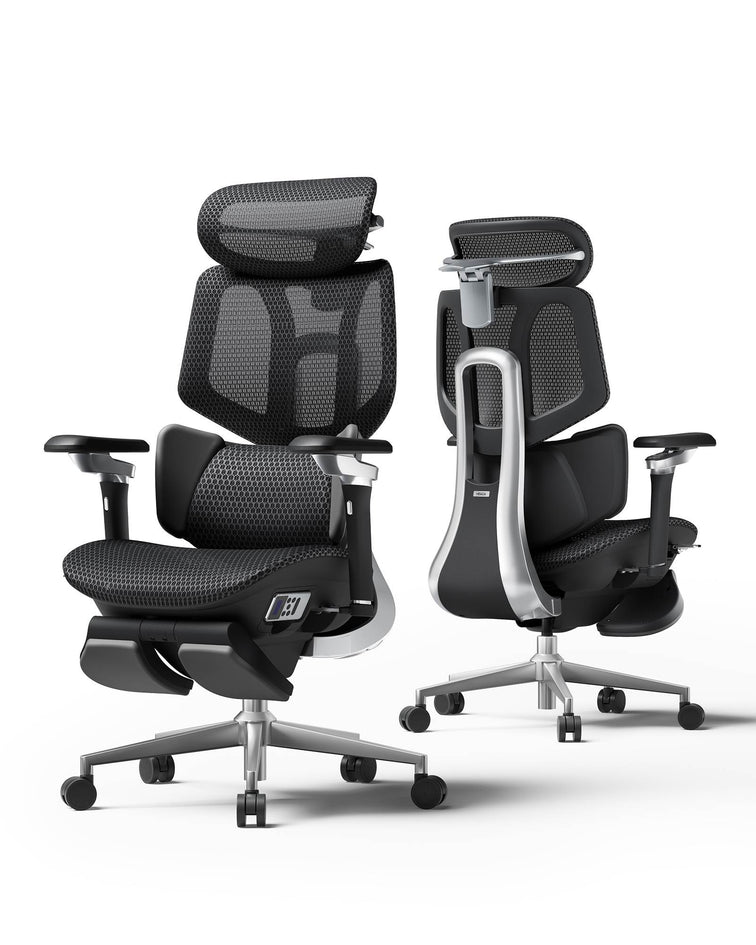
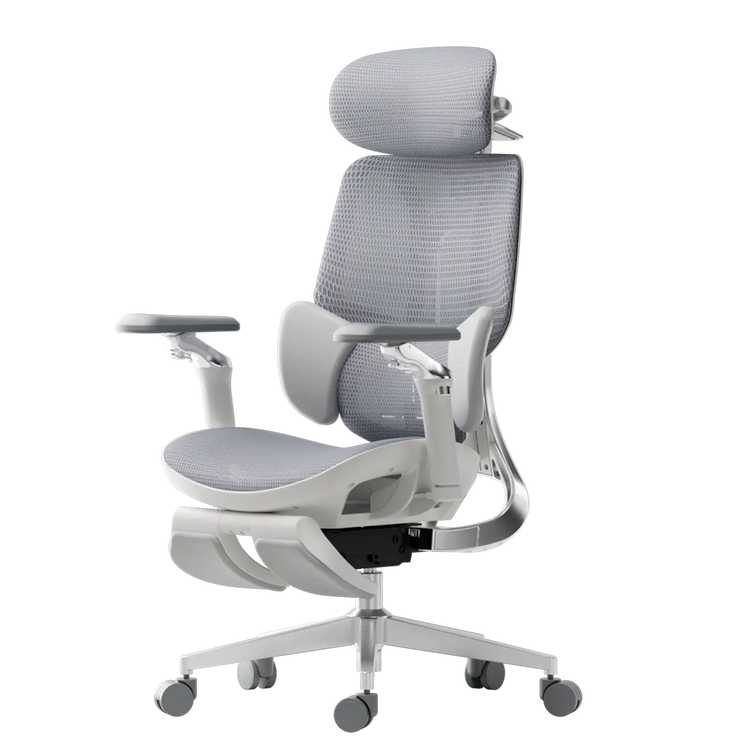
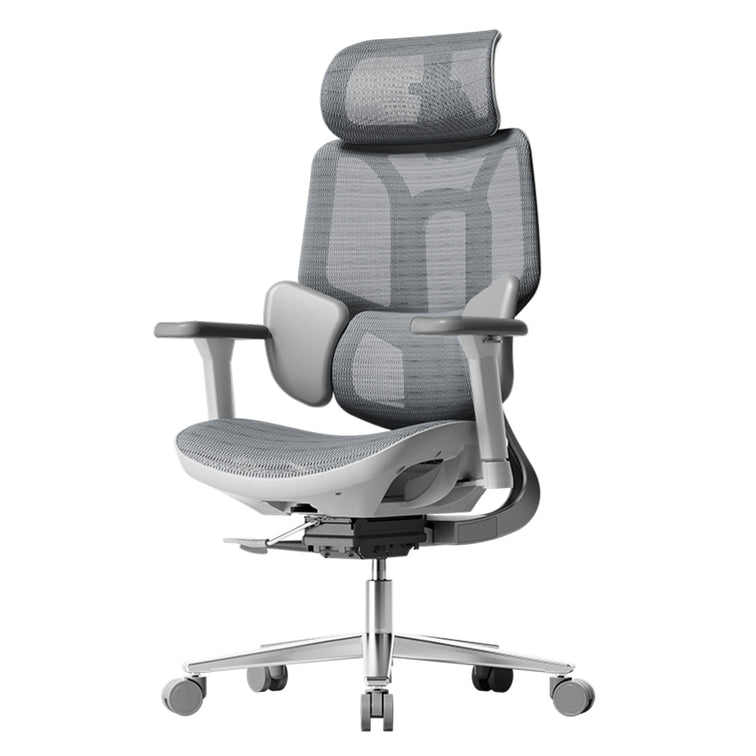
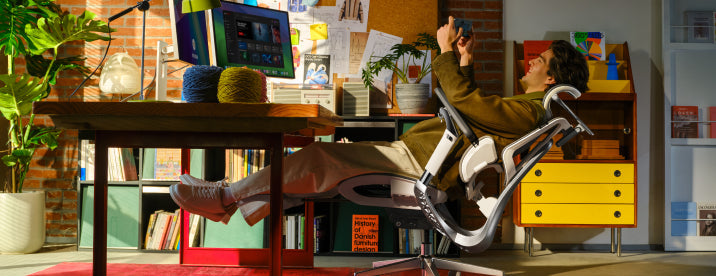
A mesh chair for posture correction supports you without letting you sink in. The mesh adapts to your body but stays firm to help prevent slouching. Premium models, like the Hbada AI-Powered x7, add mechanical supports to keep your spine in a neutral "S" curve.
Foam and Pressure Points
A memory foam office chair for desk work is frequently recognized for its "cradling" sensation and its ability to distribute pressure across the sit-bones—beneficial for very thin users. However, during extended sitting, foam may "bottom out," resulting in direct contact with the plastic base. Consequently, a cushioned office chair is suitable for short durations, but often falls short in providing necessary support throughout a full workday.
Durability and Long-Term Performance
The best office chair material for long-term use must retain its shape.
- Mesh Durability: High-quality mesh is precisely engineered for superior elasticity, ensuring it returns to its original shape immediately after use. Premium mesh ergonomic chairs with adaptive lumbar support are designed to maintain structural integrity and resist misshaping over time.
- Foam Durability: Foam can sag or lose shape over time. As this happens, the chair's support decreases. Choose office chairs with cold-cured or high-density foam for longer-lasting comfort.

Why the Hybrid Approach Often Wins
By 2026, selecting exclusively between mesh and foam will no longer be required. Leading professionals choose ergonomic office chairs that feature both mesh backrests and seats to ensure optimal cooling. Hybrid models, combining mesh backs for breathability with high-density foam seats for superior comfort, offer clear advantages for individuals seeking both cooling and cushioned support, providing an optimal balance of airflow and softness.
The Hbada Solution
For those seeking the absolute best ergonomic chair for long hours, our lineup focuses on the synergy between materials and mechanics, with a breathable design.
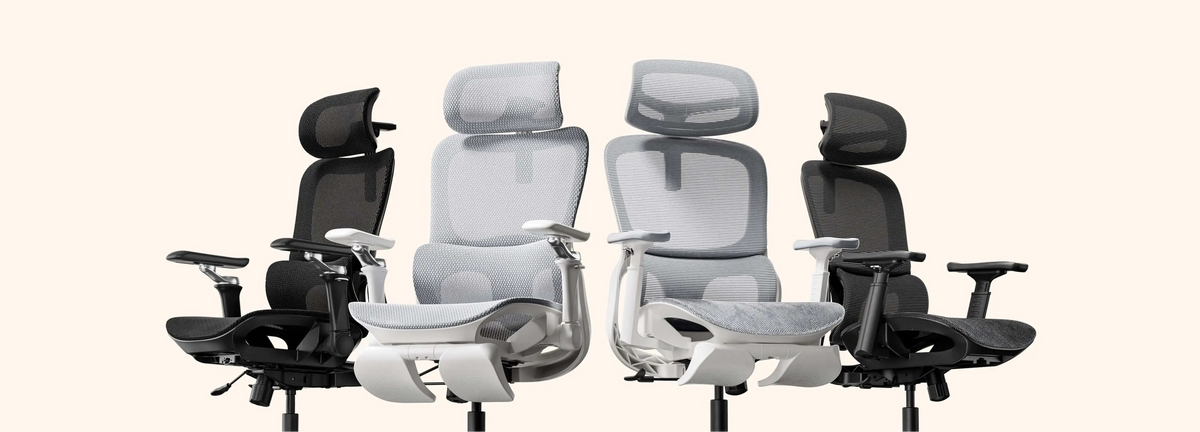
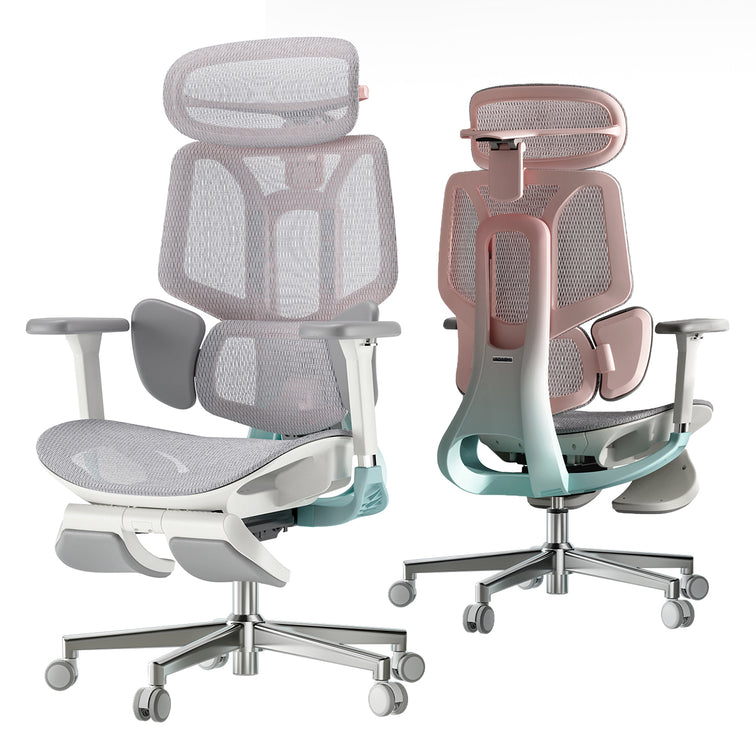
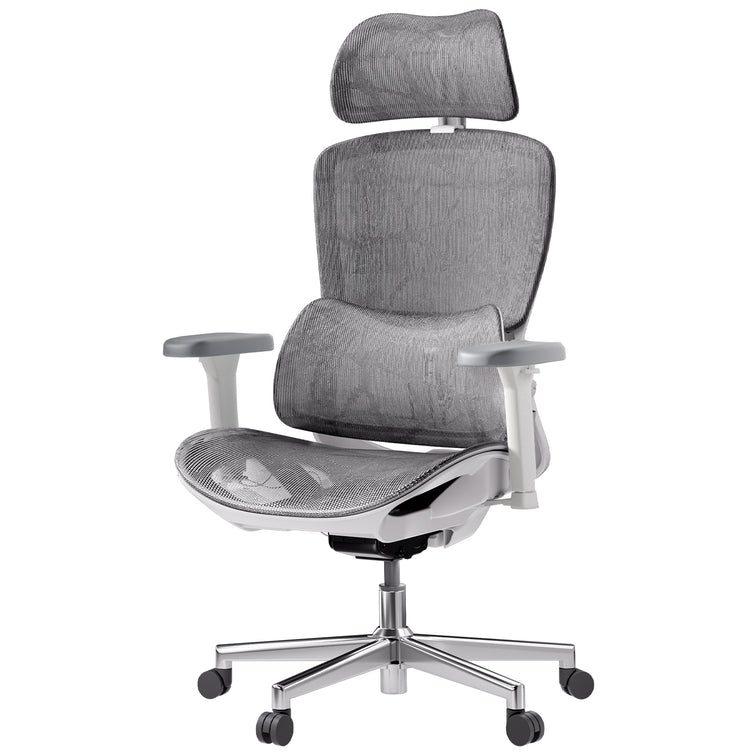
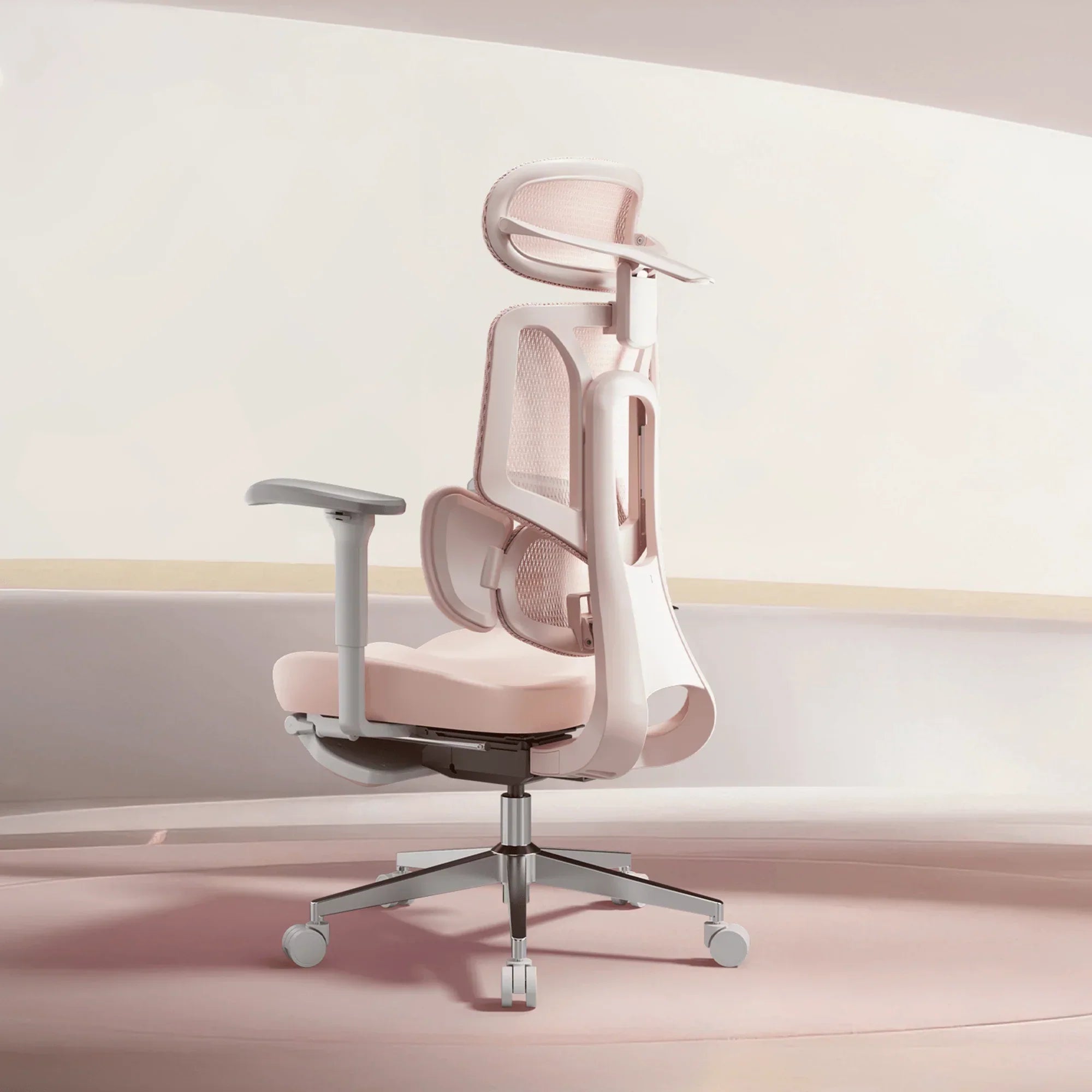
- Hbada E3 Series: Features a breathable mesh ergonomic chair for long hours with a 3-zone lumbar system.
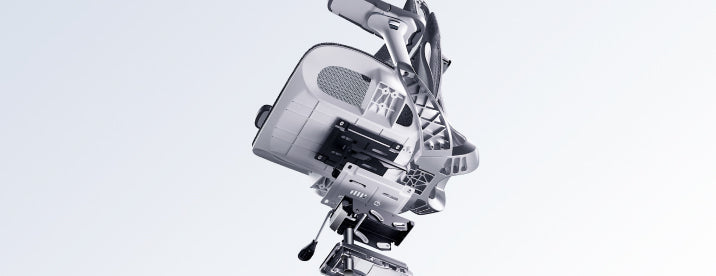
- Hbada AI-Powered x7: Our flagship model that uses a premium mesh ergonomic chair with an adaptive lumbar support system. The Hbada AI-Powered x7 uses biosynched technology to automatically adjust the mesh tension and lumbar position in response to your movements.
Summary Table: Mesh vs. Foam Comparison
| Feature | Mesh | Foam |
|---|---|---|
| Cooling | Excellent (Active Airflow) | Poor (Heat Retention) |
| Support Feel | Firm / Suspended | Soft / Cradled |
| Posture | High Correction | Low Correction |
| Maintenance | Easy to Clean | Traps Dust/Odors |
| Ideal For | Long hours and comfort | Short sitting duration |
Frequently Asked Questions (FAQ)
Q: Is mesh or foam better for lower back pain? A: Generally, a mesh chair for posture correction and spinal health is better. Mesh provides a firm, consistent counter-pressure that supports the lumbar curve. Foam can often be too soft, allowing the pelvis to tilt backward, which increases pressure on the spinal discs.
Q: Does mesh wear out faster than foam?
A: No, provided it is the best ergonomic chair with a mesh support system. High-grade elastomeric mesh is designed to last over a decade without sagging. In contrast, low-quality foam can lose its "bounce" within 12 to 24 months of heavy use.
Q: Is a mesh seat uncomfortable for thin people?
A: Some thin users find mesh seats feel "firm." If you have very little natural cushioning, look for an ergonomic office chair with lumbar support and mesh airflow, featuring a waterfall seat edge. This reduces pressure on the back of the legs. Alternatively, the Hbada AI-Powered x7 uses a specialized weave that offers more "give" in the center for added comfort.
Q: Can I clean a mesh chair easily?
A: Yes! This is a major advantage of the breathable mesh ergonomic chair for long-term use. Unlike foam, which absorbs spills and odors, mesh can be wiped down with a damp cloth or vacuumed easily, making it more hygienic for long-term use.

Conclusion
The comparison between foam and mesh chairs for posture correction ultimately hinges on environmental and health priorities. To maintain coolness, support the spine's natural alignment, and ensure durability without sagging, mesh emerges as the definitive solution. Selecting a chair such as the Hbada AI-Powered x7 represents an investment in advanced ergonomic support and adaptive lumbar alignment—delivering measurable improvements in comfort and productivity. Upgrade confidently to a breathable design and experience the professional advantages of contemporary ergonomic technology.