




Your chair sinks when you sit down. You adjust it every morning. By afternoon, you're too low again. A sinking office chair is the office equivalent of a slow leak, annoying, worsening over time, and eventually forcing a decision: fix it, replace the cylinder, or upgrade to a new chair. This guide walks you through each option with exact costs, timeline, and ROI so you can choose the right fix for your situation.
Why Office Chairs Sink
Your chair sinks for one of three reasons. Understanding which one determines your fix.
Reason 1: Hydraulic Gas Cylinder Seal Failure
Your office chair uses a pneumatic gas cylinder (a sealed metal tube) filled with nitrogen at 50–60 PSI. A piston inside the cylinder moves up and down to raise and lower your seat. When the seal that holds the gas pressure fails, gas leaks out slowly. Result: the cylinder can no longer hold its height under load. A slow leak takes 4–12 weeks to manifest as noticeable sinking. This is the most common cause (70% of sinking chairs).
Reason 2: Valve Malfunction (Slow Leak)
The release valve lets you lower your seat by pulling the lever. If the valve seal wears out, gas leaks continuously. Your chair initially holds its height but sinks under pressure. This typically develops in chairs that are 2–3 years old and accounts for 20% of cases.
Reason 3: Structural Damage to the Base or Piston Rod
If the chair base has cracked or the piston rod inside the cylinder is bent, height loss can occur even with normal gas pressure. This is rare (10% of cases) but requires full chair replacement, not cylinder swap.
Fix 1: Quick Fixes (¥0–4,500, 15 minutes) — Temporary Solutions
These won't cure the problem, but they'll buy you 1–4 weeks while you decide on a permanent fix.
Tighten the Lever Adjustment Screw
Most chairs have an adjustment screw that controls how easily the lever engages. If this screw loosens, the lever won't create enough pressure to lock the cylinder in place. Try tightening it with an Allen wrench (usually 3mm or 4mm). Cost: ¥0. Effectiveness: 20–40% (fixes only loose mechanisms, not seal failure).
Use a Rubber Shim or Wooden Wedge Under the Seat Pan
If your chair sinks slowly throughout the day, you can jam a rubber shim or a small wooden wedge under the seat pan to temporarily lock it at a fixed height. Cost: ¥0–750. Effectiveness: 100% (but it's a temporary band-aid). Downside: you lose the ability to adjust height, and the friction can scratch your base.
Clean the Lever and Release Valve
Dust buildup on the lever mechanism or release valve can cause sticking. Spray the lever assembly and valve stem with compressed air (like keyboard cleaner). Cost: ¥750–2,250 (if you buy compressed air). Effectiveness: 10–25% (helps only if dust is the problem).
Fix 2: Gas Cylinder Replacement (¥6,000–12,000, 15–20 minutes) — DIY Permanent Repair

Replacing the cylinder yourself is achievable if you're slightly handy.
Step 1: Order a Replacement Cylinder
Measure your piston rod diameter (usually 5–6mm) and cylinder outer diameter (usually 40–50mm). Replacement pneumatic cylinders cost ¥4,500–9,000 for standard Class 3–4 units. Avoid the ¥1,500 bargain cylinders; they're filled with compressed air, not nitrogen, and will fail in weeks.
Step 2: Remove the Old Cylinder
Sit in the chair and locate where the cylinder connects to the base (bottom) and seat pan (top). The connections are usually held by plastic retainer clips or metal bolts. Push or unscrew these to release the cylinder. Take a photo first, so you remember the orientation.
Step 3: Install the New Cylinder
Insert the new cylinder in the same orientation as the old one. Reconnect the retainer clips or bolts. The piston rod (the thin rod that moves up and down) should face upward into the seat pan.
Step 4: Test and Adjust
Sit in the chair and test the lever. The new cylinder should hold its height smoothly. If it sinks, you may have inserted it upside down, or the retainers aren't fully engaged.
Fix 3: Full Chair Upgrade (¥60,000–105,000, 0 minutes) — When Repair Doesn't Make Sense

If your chair is over 5 years old or the frame is damaged, upgrading is often cheaper than repeat repairs.
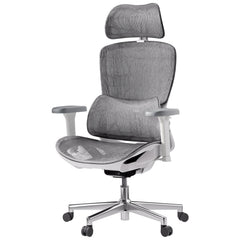
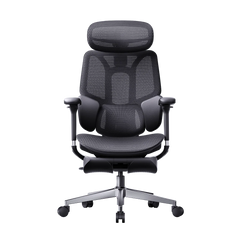
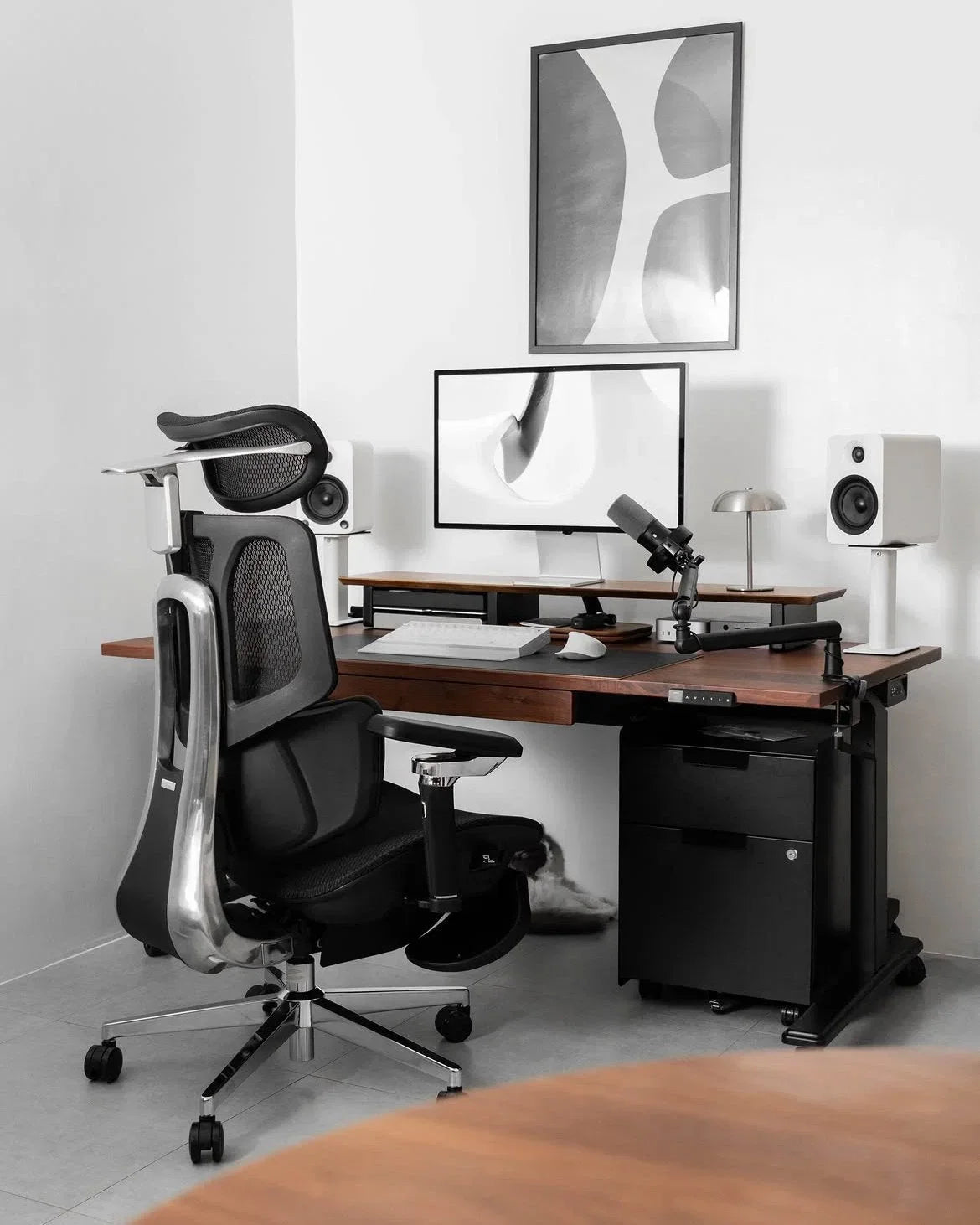
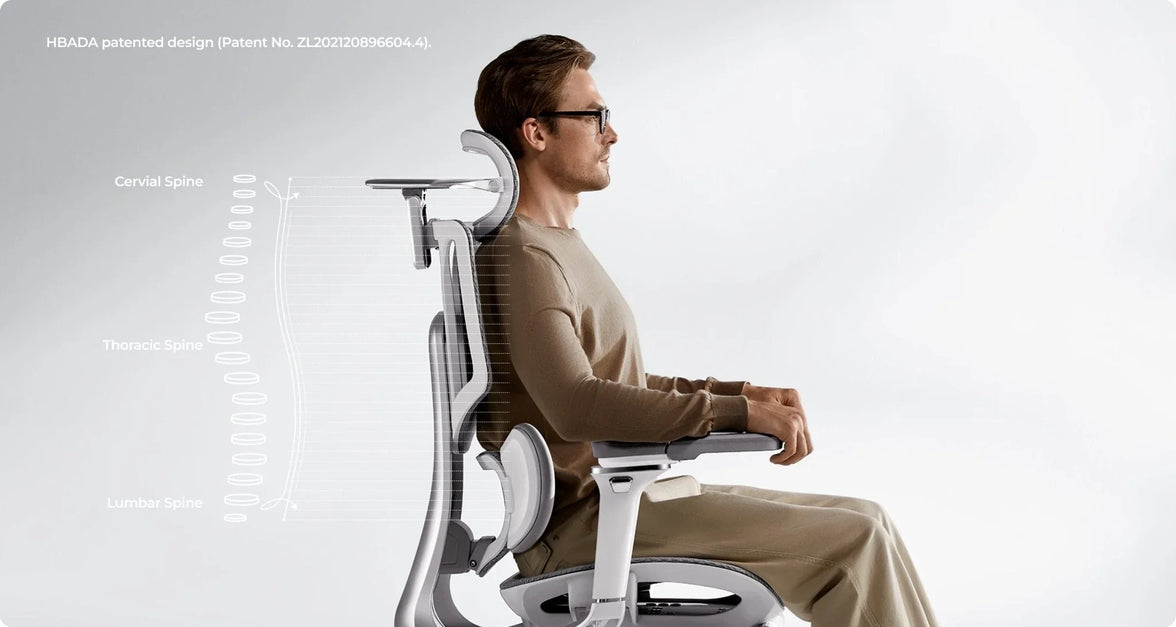
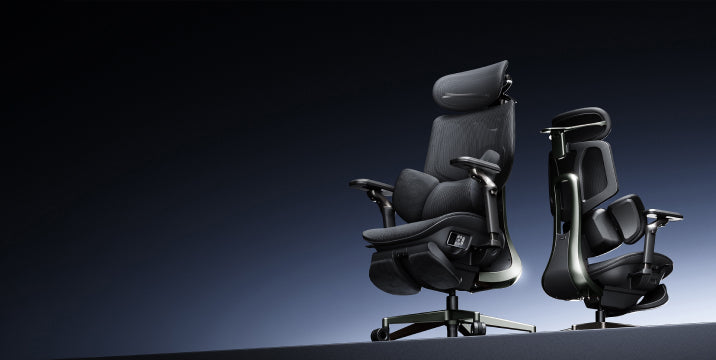
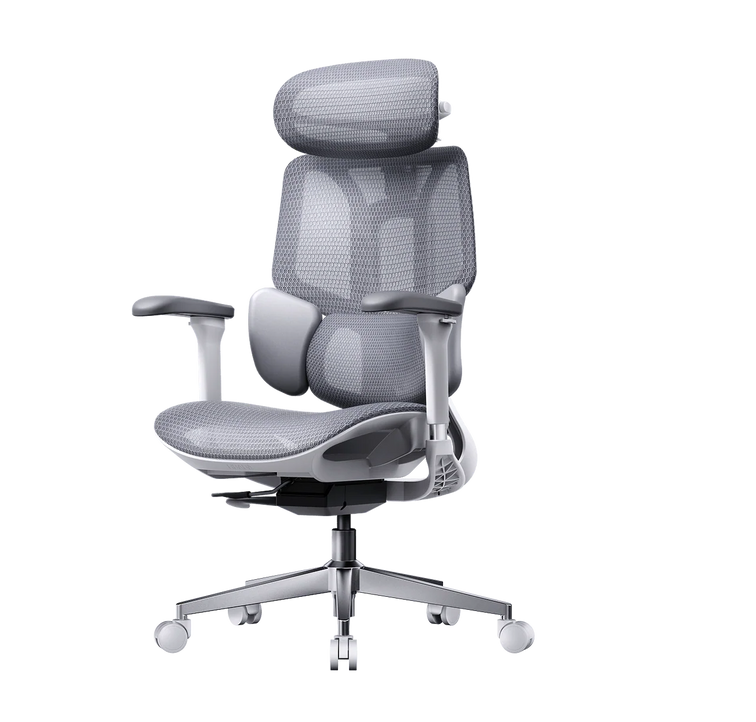
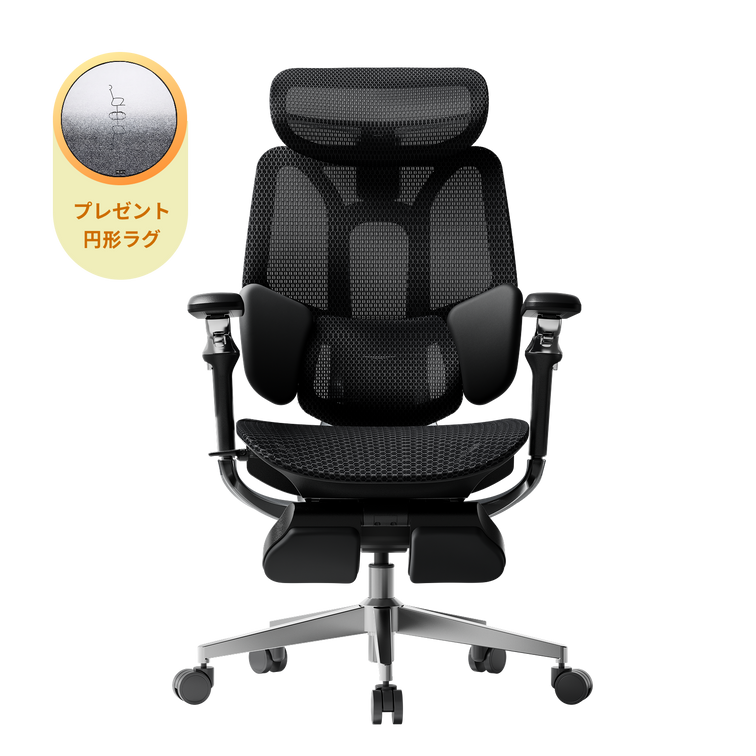
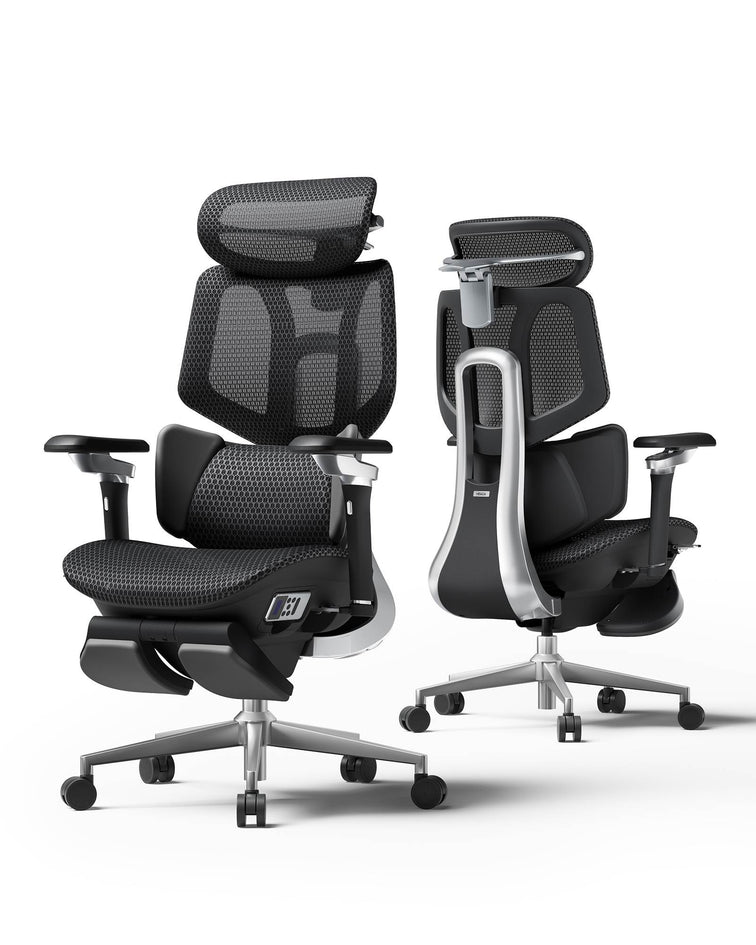
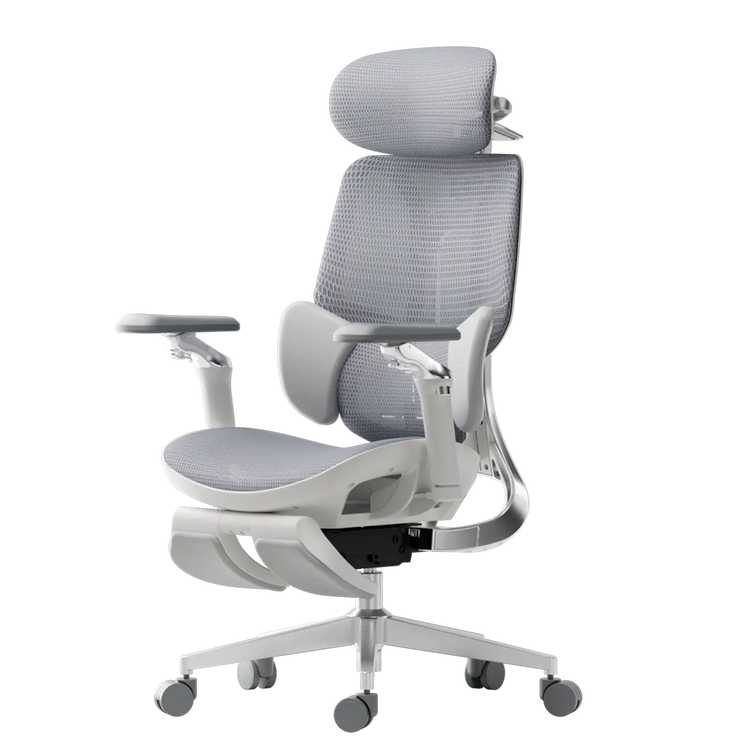
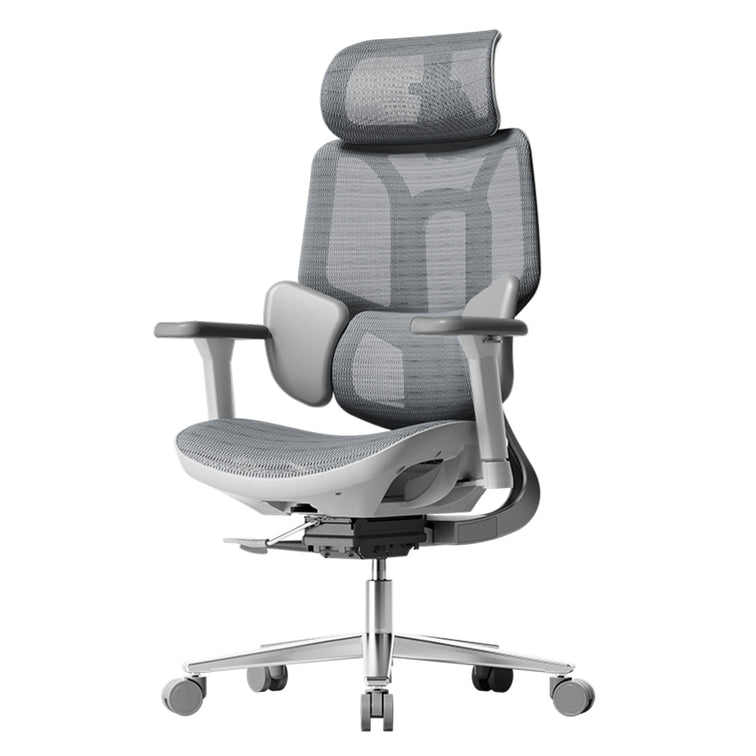
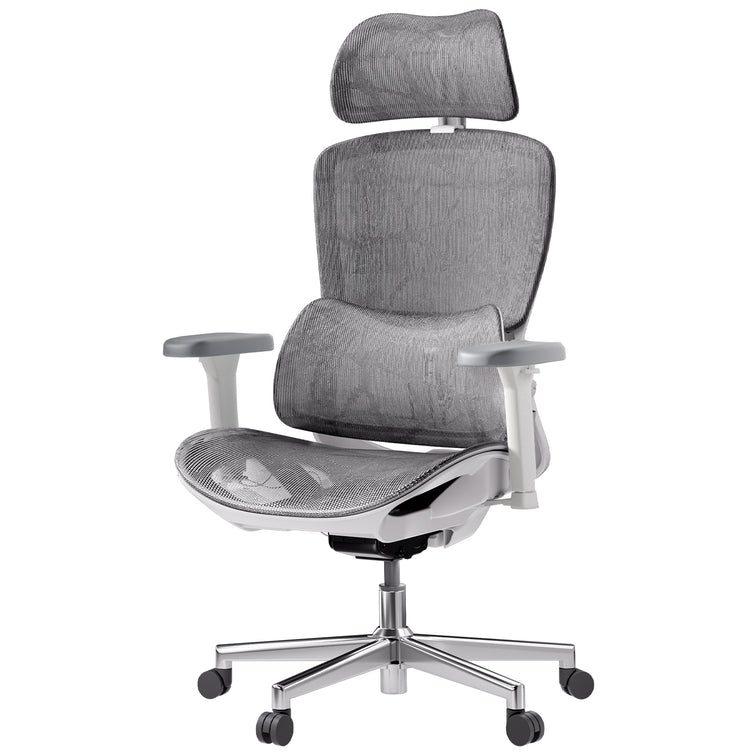
A new HBADA E3 Pro 2026 Edition with Class 4 anti-sinking gas lift (¥60,000–82,500) is engineered to prevent sinking for 7–10 years. It includes SGS certification, 120,000-cycle testing, and a 3-year warranty. Compare: your old chair sinking every 2–3 years = ¥4,500–12,000 repairs 3–4 times = ¥13,500–48,000 in repairs over 7 years. A new chair eliminates this cycle.
Fix vs. Replace Decision Framework — The ROI Analysis
| Chair Age & Condition | Quick Fix (¥0–4,500) | Cylinder Replacement (¥6,000–12,000) | Full Upgrade (¥60,000–105,000) |
|---|---|---|---|
| 0–2 years, first sinking | Try first (easy, cheap) | If the quick fix fails | Not yet (too new) |
| 3–5 years, healthy frame | Quick backup if time-pressed | Best choice (good ROI) | Optional (chair still solid) |
| 5–8 years, multiple repairs | Waste of time | Last-resort repair | Best choice (eliminate cycle) |
| 8+ years OR frame damaged | No | No (will fail again soon) | Only option (retire the old chair) |
Two Case Studies: Repair vs. Upgrade Decisions
Case Study A: Thomas K. — The Successful DIY Repair

Thomas K., 29, Software Developer (180 cm, 75 kg, 2.5 year old chair). Thomas's chair began sinking 3 months into year three of ownership. He diagnosed the problem as a gas cylinder seal failure (sinking only under load). He ordered a replacement pneumatic cylinder (¥6,750) and spent 20 minutes swapping it out. Cost: ¥6,750. Outcome: chair works like new. Projected lifespan: another 4–5 years. Total cost of ownership: ¥6,750 + original ¥45,000 = ¥51,750 over 7–8 years (about ¥6,500/year).
Case Study B: Patricia M. — The Upgrade Decision
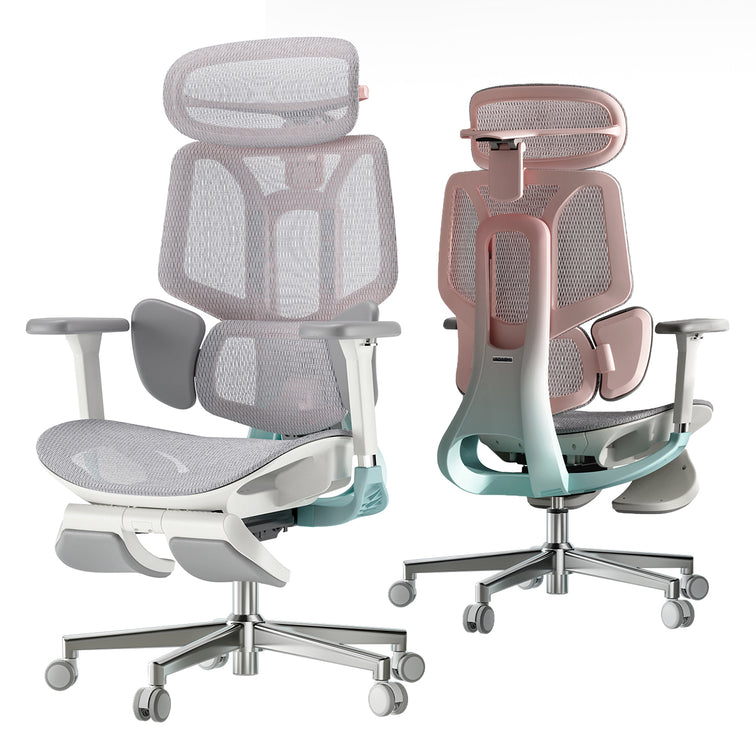
Patricia M., 42, Office Manager (163 cm, 66 kg, 7-year old chair with multiple repairs). Patricia's original ¥37,500 budget chair had required three-cylinder replacements in 7 years (¥12,000 in repairs, plus her time). The frame was showing stress cracks. She faced a choice: spend another ¥7,500–12,000 on a fourth repair or invest in a new chair. She chose the HBADA AI-Powered X7 Smart Ergonomic Chair (¥78,000). The cost difference: ¥66,000. The payoff: zero anticipated repairs for 7+ years (vs. likely 2–3 more repairs of ¥7,500–12,000 each in the old chair). She breaks even in 3.5 years and gains 3.5+ years of repair-free use. Total ROI: positive in year 4.
How to Prevent Future Sinking — Long-Term Maintenance
- Use a chair within its weight capacity. A 113 kg person in a 90 kg chair stresses the cylinder faster.
- Adjust your lever gently. Rough yanking wears out the valve mechanism.
- Clean the lever and valve assembly every 6 months with compressed air.
- Upgrade to a Class 4 certified chair with anti-sinking engineering (like the HBADA E3 Series) if you're buying new.
Which Chair Should You Choose?
- Budget quick fix: Your current chair + ¥6,750 cylinder replacement.
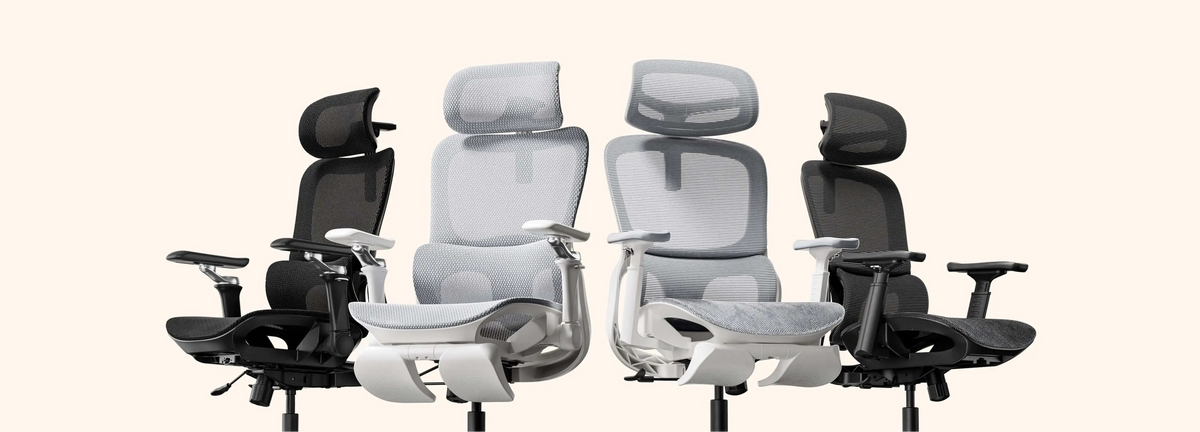
- Mid-range protection: HBADA E3 Air 2026 Edition (¥45,000–60,000, Class 4 gas lift, 4–8 hour daily use).
- Premium protection: HBADA E3 Pro 2026 Edition (¥60,000–82,500, Class 4 gas lift, 6–10 hour heavy-duty use, 150 kg capacity).
FAQs
How do I know if my office chair can be repaired?
Check the chair's age and the condition of its frame. If your office chair is under 5 years old and the base doesn't show cracks or damage, it's repairable. If it's over 5 years old, has undergone multiple repairs, or the frame is visibly damaged, replacement is more cost-effective. A sinking office chair with a healthy frame = repairable. A sinking chair with a cracked or bent base = unrepairable.
How much does a replacement gas cylinder cost?
Quality pneumatic cylinders range from ¥4,500–12,000 depending on diameter, pressure rating, and certifications. A Class 3 cylinder costs ¥4,500–7,500; a Class 4 (certified for heavy use) costs ¥7,500–12,000. Avoid ¥1,500–2,250 "bargain" cylinders; they're filled with compressed air and fail in weeks.
Can I use a sinking chair while waiting for parts?
Yes, temporarily. Use a rubber shim or wood wedge under the seat pan to lock it at a fixed height. This loses adjustability but prevents you from sitting too low. It's a temporary fix only — don't plan to use this for more than 1–2 weeks.
Is a cylinder replacement covered by warranty?
Most chairs come with 1–2 year warranties that cover gas cylinder defects. If your chair is still under warranty, contact the manufacturer; they may replace it for free. If out of warranty, you're paying for the replacement yourself (¥6,000–12,000 DIY, or ¥15,000–22,500 if you hire a technician).
Will upgrading to a new chair really prevent sinking?
A Class 4 certified chair with proper engineering can prevent sinking for 7–10+ years. The HBADA E3 Series uses SGS-certified Class 4 gas lifts that have been tested for 120,000+ compression cycles, equivalent to 7–10 years of heavy use. This is not a guarantee, but the engineering is demonstrably superior to budget chairs that fail every 2–3 years.