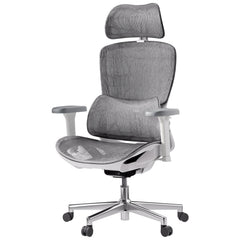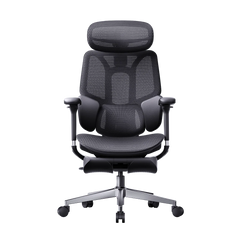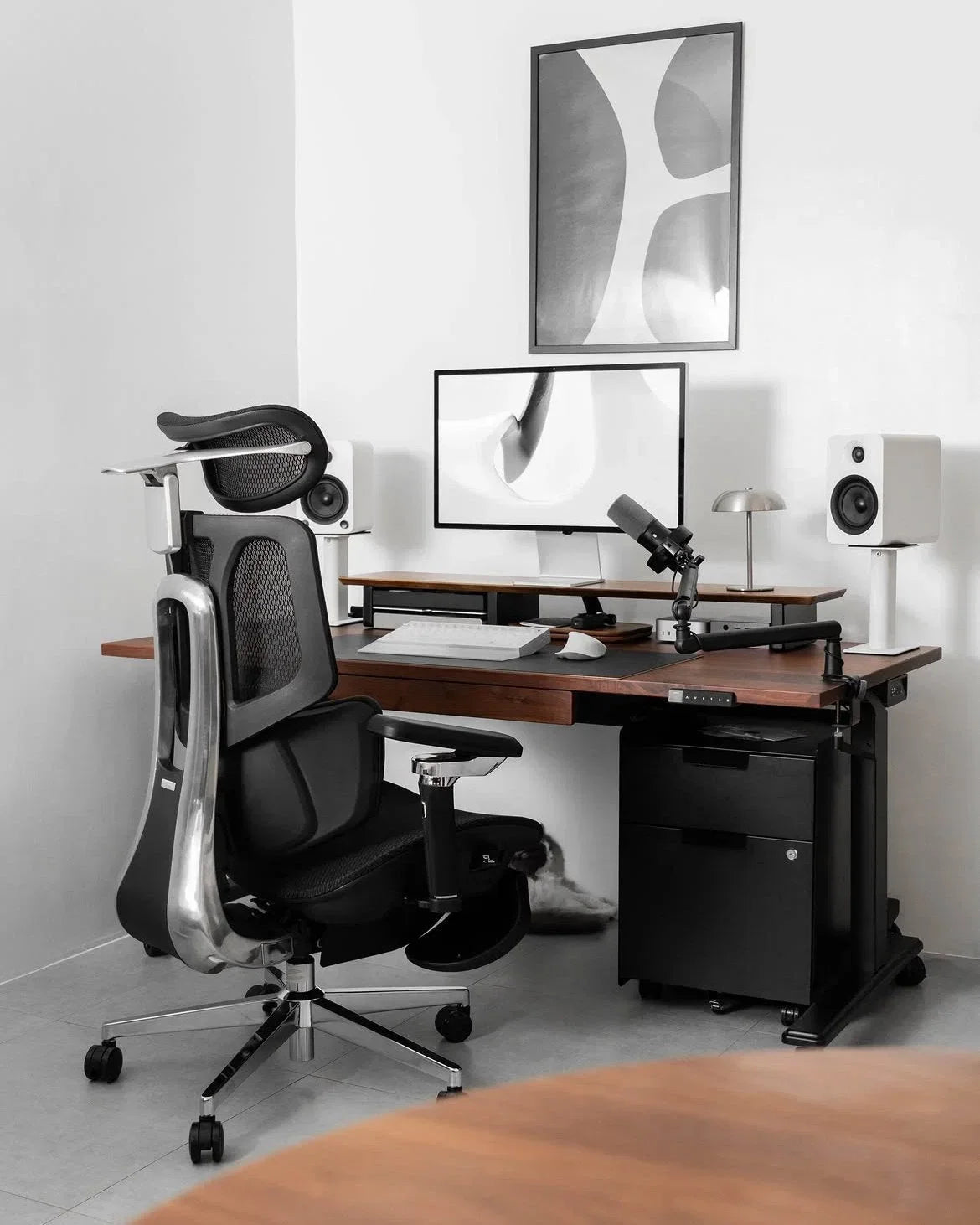
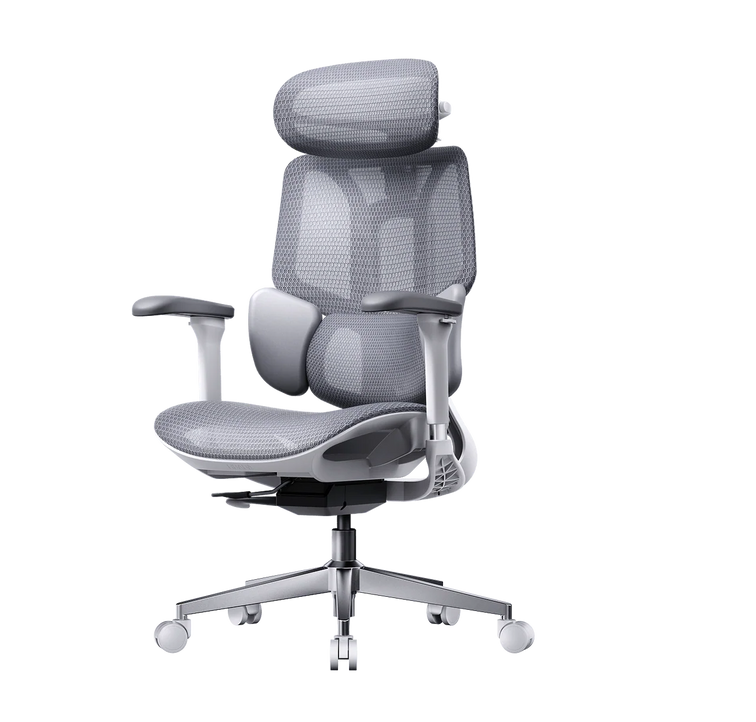
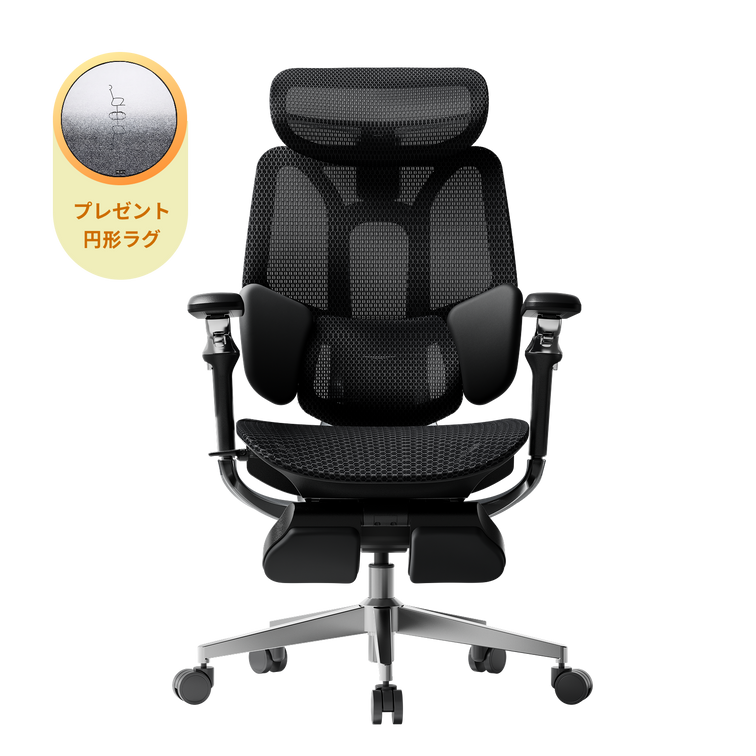
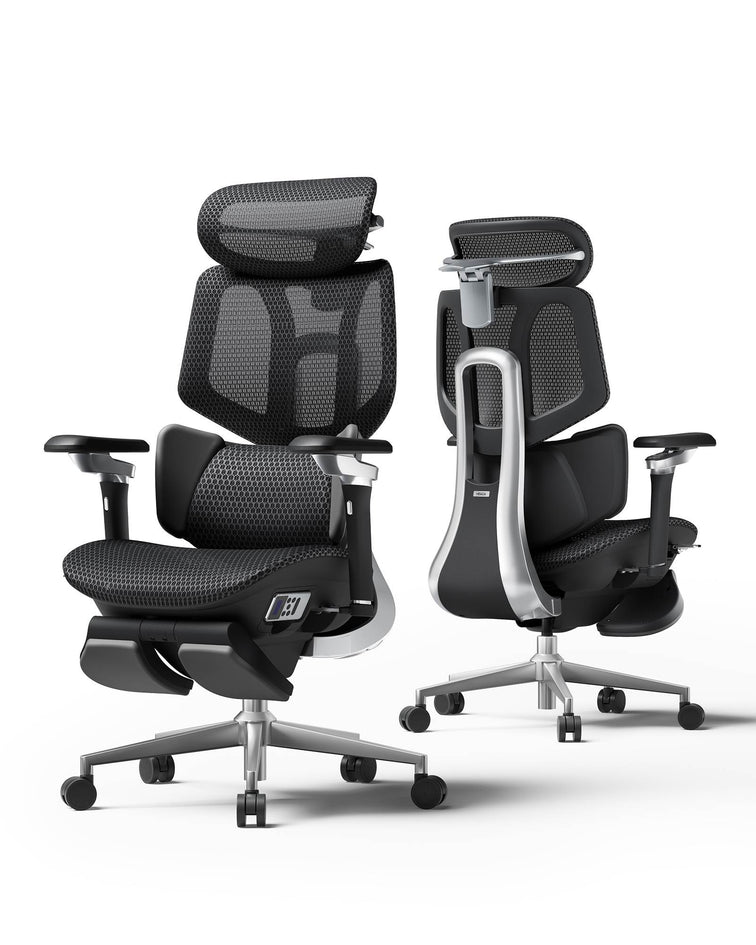
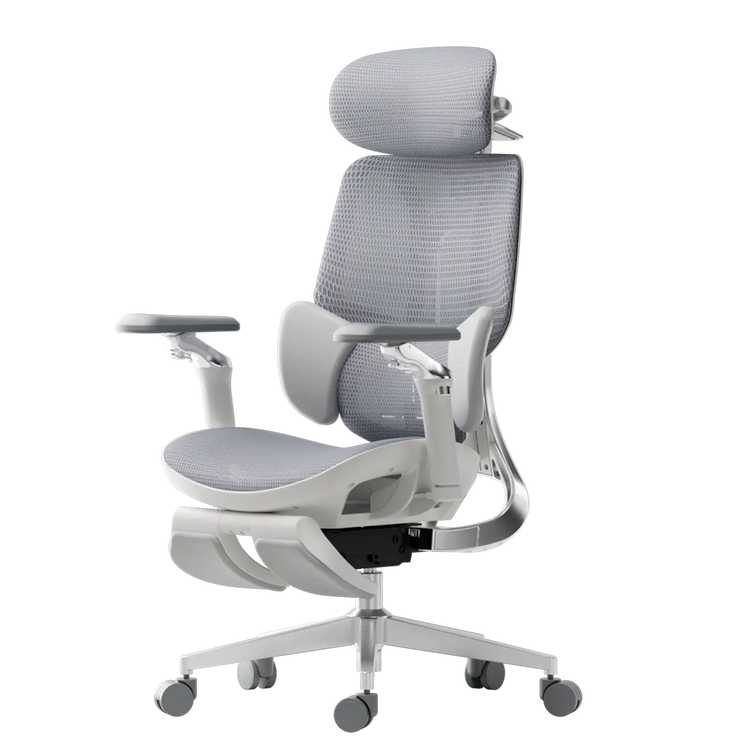
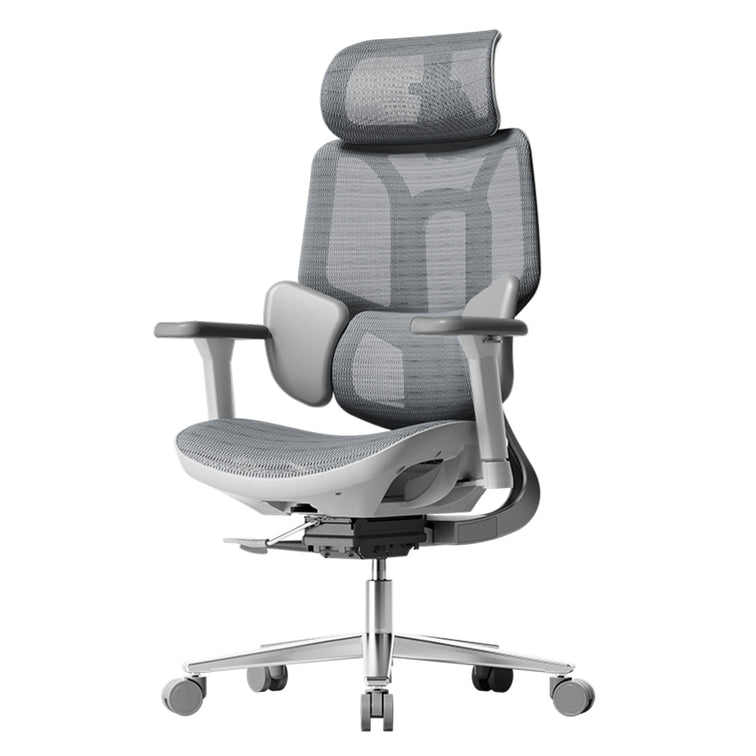
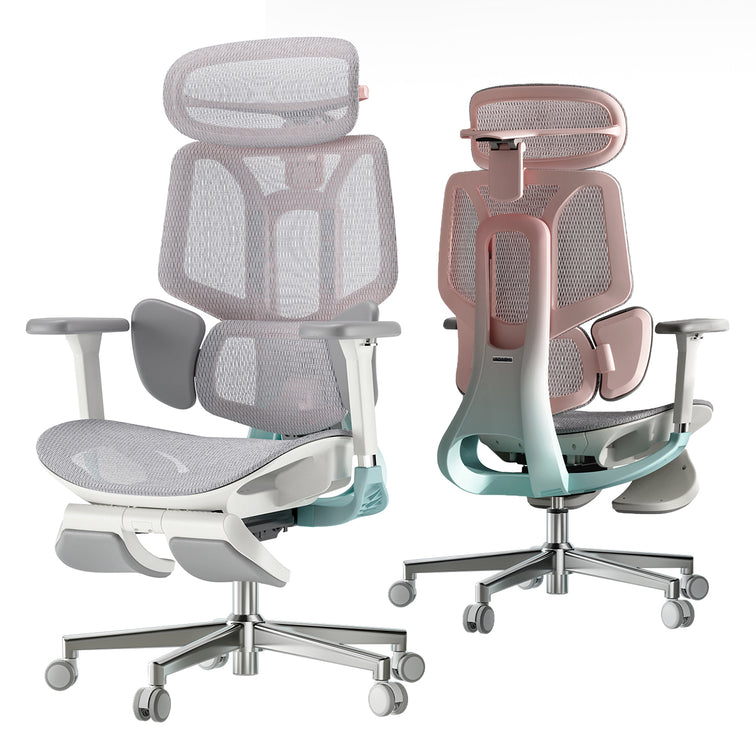
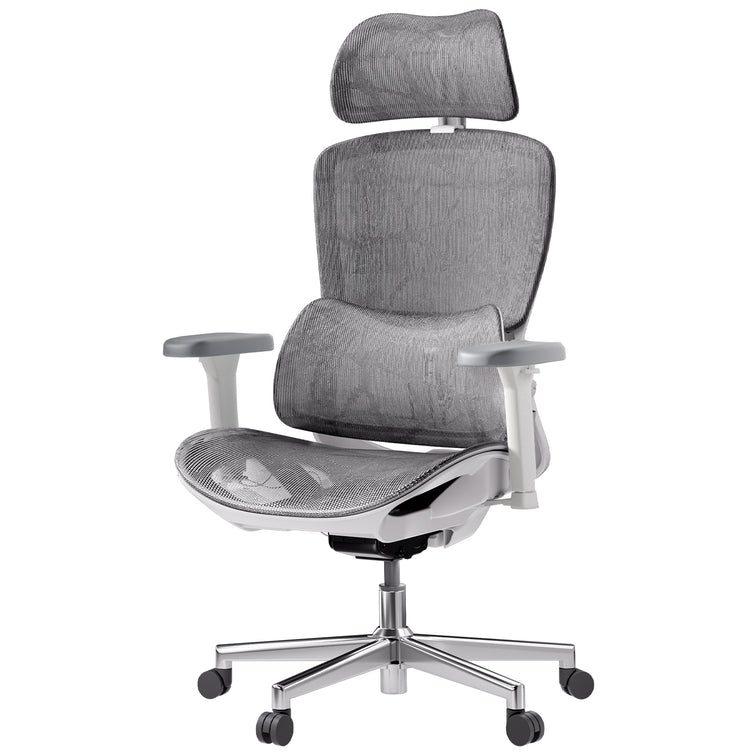

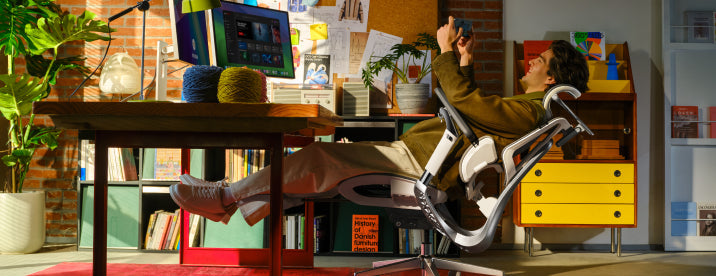


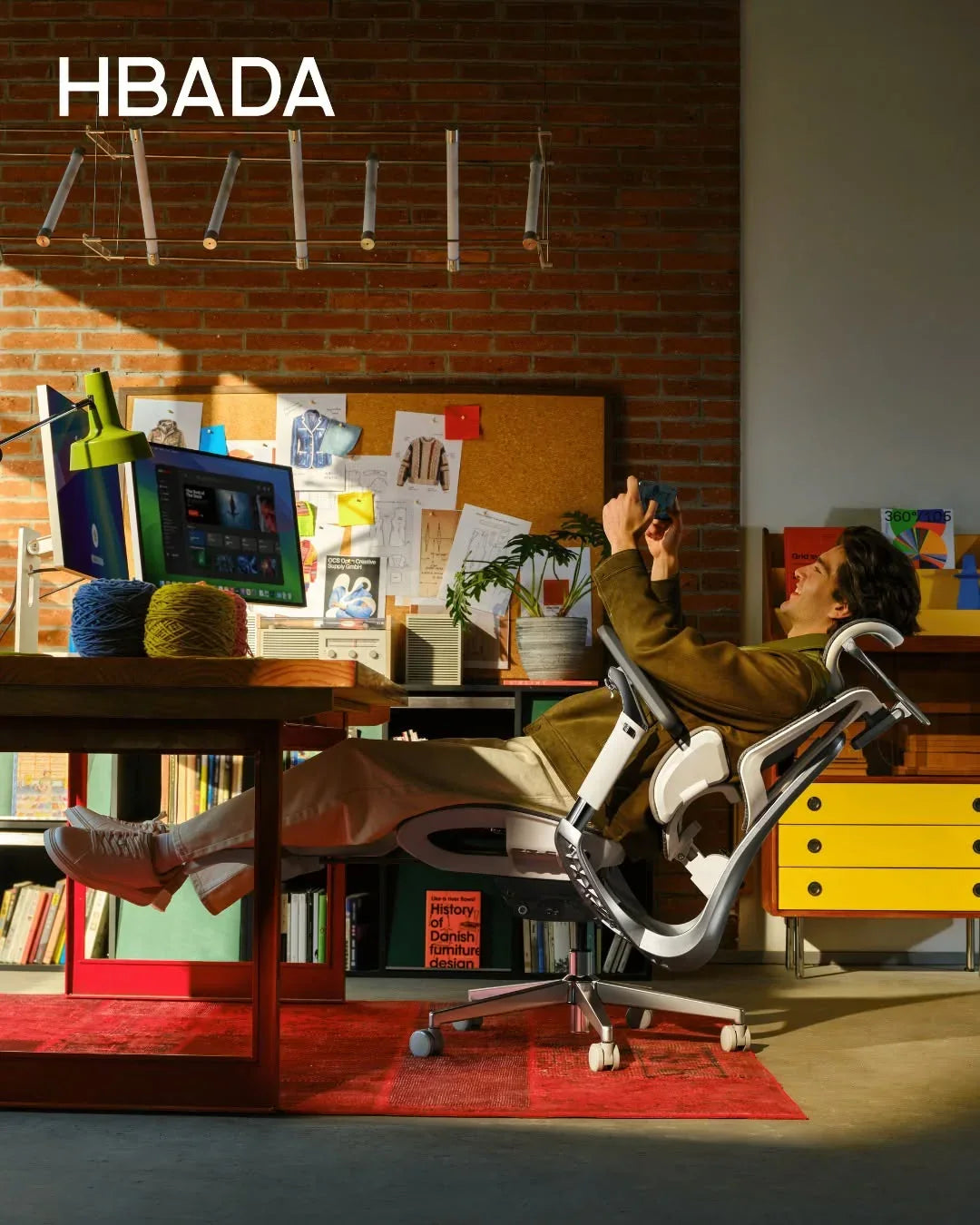
If you are setting up a high end home office or looking to improve a workspace, you will likely find yourself choosing between Herman Miller and HBADA. Both brands are well known, but they represent very different approaches to design. Herman Miller is famous for its classic industrial style, while HBADA focuses on modern features intended for people who spend a lot of time working on digital devices. To help you decide which chair fits your daily routine better, this guide compares the design and engineering behind both brands.
1. The Design Philosophy: Structured Posture vs. Dynamic Adaptability
The primary difference between these two brands lies in how they interact with your body throughout a long workday.
Herman Miller’s Structured Guidance: Legendary chairs like the Herman Miller Aeron are built around an engineering philosophy of strict postural correction. Developed through decades of medical research, they are designed to keep you held in a precise, ergonomically optimal typing position. It is an exceptional tool for focused, task-oriented environments where sitting posture remains disciplined and static.
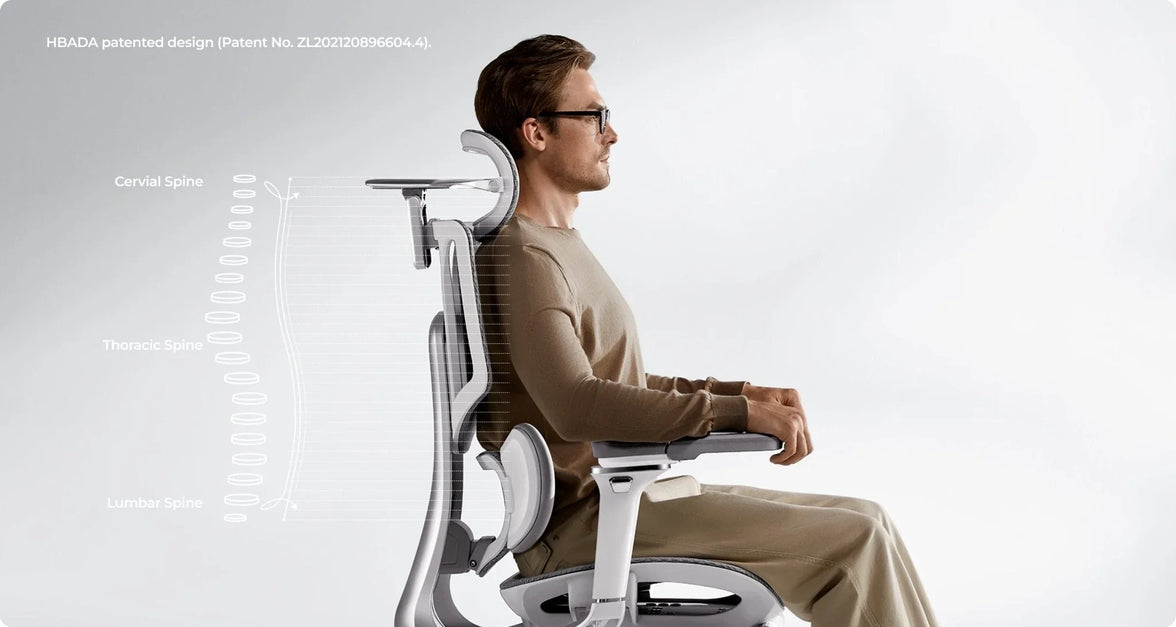
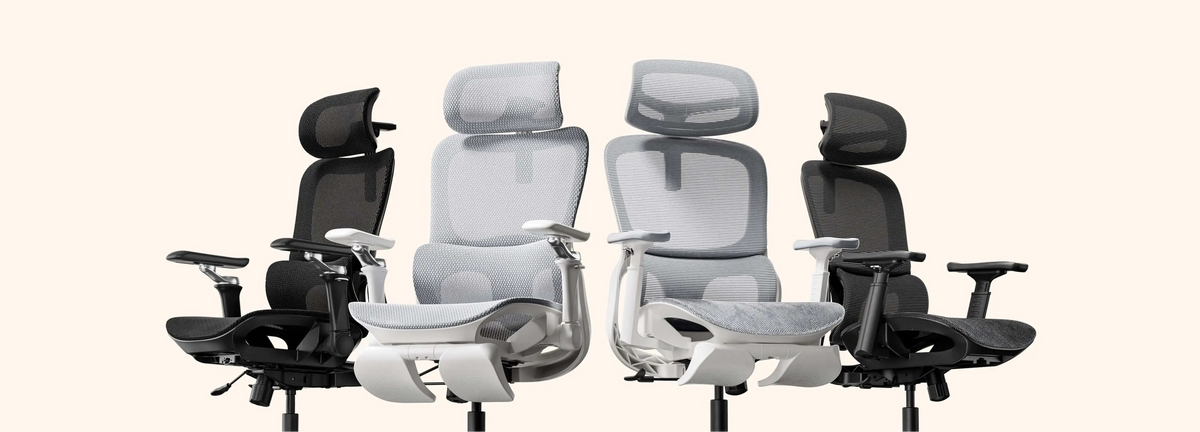
HBADA’s Adaptive Freedom: In contrast, HBADA designs for the real, dynamic ways people move today. Recognizing that professionals shift, lean, and change postures over a 10-hour day, HBADA utilizes 4D 3-Zone Adaptive Dynamic Lumbar Tracking. Instead of forcing your body to conform to a rigid frame, the chair's flexible side wings self-adjust to your movements in real-time, providing continuous lumbar support whether you are leaning forward to code or twisting to speak with a colleague.
2. Feature Confrontation: Traditional Mechanics vs. Multi-Scenario Utility
When comparing features, it becomes clear that Herman Miller and HBADA are optimized for entirely different workplace scenarios.
Premium Experience Comparison

| Feature | HBADA Flagship Series (E3 Ultra / X7) | Herman Miller Legacy Series (Aeron / Embody) |
|---|---|---|
| Lumbar Mechanism | 4D Active Tracking (Self-adjusts to movement) | PostureFit SL / Backfit™ (Manual customization) |
| Recline Strategy | 90°–140° Sleep Mode with Integrated Footrest | Specialized Task Tilt (Optimized for upright work) |
| Sizing Flexibility | 20+ Micro-adjustments (Highly adjustable for all heights) | Rigid Frame Sizing (Must choose fixed Size A/B/C) |
| Wellness Innovation | Graphene Heat Therapy & Biomechanical Massage | 100% Precision Analog Engineering |
| Value Proposition | High-Feature Tech Premium | Heritage Luxury Investment |
The "Work-Rest Balance" Test
Herman Miller chairs are precision-engineered production instruments. They excel at keeping you alert and productive during active working hours. However, they do not traditionally include headrests as a standard feature, nor do they support deep reclining states, because their core focus is purely on the task at hand.
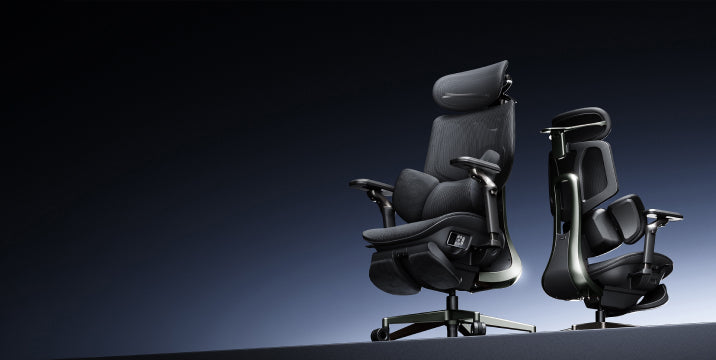
HBADA recognizes that the modern professional's day requires a balance of intense focus and restorative recovery. Models like the HBADA E3 Ultra offer a 140° zero-gravity recline paired with a hidden, retractable footrest. This transitions the chair seamlessly from an active task station into a relaxation sanctuary for lunch breaks or creative brainstorming sessions.
3. The Generational Leap: Analog Craftsmanship vs. Smart Health Tech
Herman Miller has spent decades perfecting the art of pure mechanical tension and high-end materials. Their mastery of analog ergonomics is legendary.
HBADA, however, has looked toward the future by integrating active digital wellness features directly into the seating chassis. For instance, the HBADA X7 introduces smart technologies that go beyond passive physical support:
Intelligent Graphene Heat Therapy: Built-in red-light heating modules (30–58°C) designed to actively soothe lower back muscles and improve circulation during long, cold winter sessions.
8D Biomimetic Massage: Targeted physical relaxation nodes integrated into the lower backrest to actively relieve muscle fatigue before it turns into chronic pain.
While Herman Miller offers world-class passive ergonomics, HBADA provides an active wellness hub that actively assists in physical recovery while you sit.
4. Longevity vs. Technological Agility
A major pillar of Herman Miller's value is their famous 12-year corporate warranty, a testament to their incredible industrial durability. They are built like tanks, meant to stay in corporate offices for over a decade.
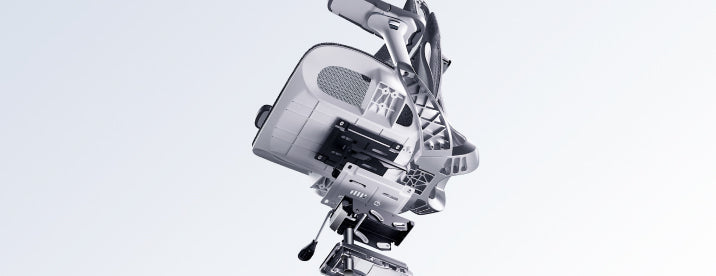
HBADA approaches durability with premium reinforced polymers, heavy-duty gravity-sensing chassis, and certified Class-4 gas lifts, easily matching the rigorous daily demands of modern creators.
However, HBADA also offers a different type of long-term value: technological agility. Ergonomic science and smart features change rapidly. By opting for HBADA’s accessible premium pricing, users retain the flexibility to upgrade to the latest health technologies and pristine, next-generation mesh every few years, rather than being locked into a single piece of analog furniture for fifteen years.
Final Verdict: Which Philosophy Fits Your Lifestyle?
Choose Herman Miller if: You have an open budget (¥270,000+), prefer traditional, highly disciplined task chairs, want a classic piece of mid-century design history, and value a long-term, set-it-and-forget-it asset.
Choose HBADA if: You are a modern professional who demands high-performance ergonomic features (dynamic lumbar, headrests, footrests) along with cutting-edge health technology (heat/massage) and flexible adaptivity—all packed into a smart, value-driven investment designed for how we actually live and work today.
For more information, click to check: https://hbada.com/pages/faq
FAQ: Choosing Between HBADA and Herman Miller
Q1: What is the main difference in design philosophy between HBADA and Herman Miller?
A: The primary difference lies in task execution versus lifestyle adaptability. Herman Miller focuses on structured guidance, utilizing static, meticulously researched frames to keep you in a disciplined typing posture. HBADA focuses on dynamic adaptability, offering features like 4D 3-Zone Dynamic Lumbar Tracking, built-in footrests, and micro-adjustments that mold the chair around your natural movements and support both active work and deep relaxation.
Q2: Do HBADA chairs offer the same adjustments as Herman Miller models?
A: While Herman Miller chairs like the Aeron require you to choose a fixed size (Size A, B, or C) at the time of purchase, HBADA chairs are engineered with universal versatility. HBADA flagships feature over 20 points of micro-adjustments—including adjustable backrest height, seat depth translation, and 6D armrests—allowing one single chair to comfortably accommodate a wide range of body types from 155cm to 195cm.
Q3: Why does HBADA incorporate tech features like heat and massage, while Herman Miller remains analog?
A: Herman Miller honors traditional mid-century industrial design, focusing entirely on passive physical support through tension and materials. HBADA believes ergonomics should evolve with modern tech. By integrating intelligent graphene heat therapy and biomechanical massage nodes, HBADA actively works to relieve muscle fatigue and improve circulation during long sitting sessions, transforming the chair into an active wellness station.
Q4: How do the recline mechanisms compare for lunch breaks and relaxation?
A: Herman Miller chairs are specialized task instruments optimized for upright productivity; they generally do not feature built-in headrests or deep recline modes. HBADA is designed for the modern work-rest balance. Models like the E3 Ultra offer a 90° to 140° zero-gravity sleep mode paired with a hidden, retractable footrest, making it ideal for midday naps or creative breaks.
Q5: Is Herman Miller’s 12-year warranty worth the higher initial investment compared to HBADA?
A: Herman Miller’s warranty is a reflection of their traditional corporate hardware longevity. However, HBADA provides a different kind of long-term value: technological agility. Built with heavy-duty reinforced polymers and Class-4 gas lifts, HBADA chairs offer elite-tier durability. At HBADA's smart price point, you retain the financial flexibility to upgrade to the latest mesh innovations and smart health technologies every few years, rather than being locked into a single analog chair for over a decade.
Written by: Sarah Jenkins, Senior Furniture Industry Analyst & Supply Chain Researcher. Published by: The HBADA Editorial Team