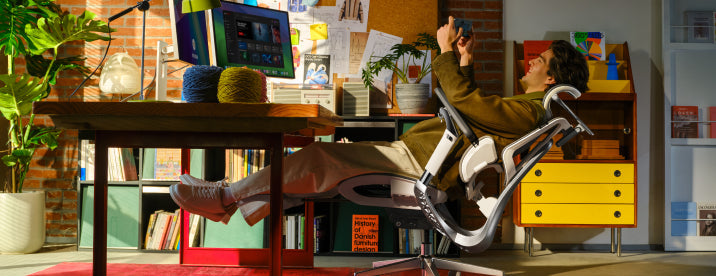


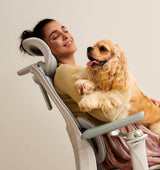
You already know the feeling: you pull your legs up, cross them on your chair, and within minutes, you're shifting to relieve the pressure from the seat.
The problem may not be how you sit, but a seat that was never built for how you actually sit.
The best office chair for sitting cross-legged is not just any wide chair; it requires specific dimensions, the right seat surface, and armrests that genuinely get out of your way.
This guide cuts straight to the specs that matter and which chair in the HBADA lineup is purpose-built for sitters who refuse to stay in the 90-degree box.
Why Most Office Chairs Fail Cross-Legged Sitters
Standard office chairs are engineered for one posture: feet flat on the floor, knees at 90 degrees.
For remote workers who habitually sit with their legs crossed, pull their legs up or shift position often, that design creates four specific failure points.
-
Seat too narrow
Without enough seat width, your legs and hips cannot spread out naturally when you sit cross-legged, and the seat quickly feels cramped. -
Hard front lip
A raised or rigid front seat edge digs into the back of the ankles when legs are crossed, which can cause numbness or discomfort during long sessions. -
Bucket contour
Racing-style bolsters and deep seat wells funnel weight to the center, which actively fights the outward hip rotation that cross-legged sitting requires. -
Fixed or narrow armrests
Armrests that can't swing wide block your knees in the folded position, making every shift awkward and limiting how freely you can sit.
What to Look for in a Wide-Seat Office Chair for Cross-Legged Sitting

Not every "wide" chair works. Here are the four technical specs you need to check before you buy.
1. Seat Width: The Single Most Limiting Factor
Seat width determines which cross-legged positions are even possible. Here's the breakdown by sitting style:
| Sitting Style | Minimum Seat Width Needed | Notes |
|---|---|---|
| Ankle over knee (casual cross) | 20 inches / 51 cm | Manageable in most ergonomic wide chairs |
| Full criss-cross/tailor's pose | 22+ inches / 56+ cm | Requires a purpose-built wide seat |
| One leg tucked, one down (half-cross) | 20–21 inches / 51–53 cm | Achievable with the right seat depth too |
2. Seat Surface: Flat and Grippy Wins
A flat seat pan distributes your asymmetric weight load more evenly when one leg is elevated.
Soft, textured mesh or woven fabric grips your legs in place — unlike leather or vinyl, which causes legs to slide out of position during long sessions. The seat edge should be either soft and rounded or angled downward (waterfall edge) to ease pressure on the back of the ankles and legs.
3. Armrests: The Freedom Test
For comfortable cross-legged sitting, you need armrests that can either fold up, swing wide, or both. A minimum of 4D armrests that adjust in and out (left-right) and rotate are the baseline.
Full 720° adjustable armrests that rotate, flip, and travel both front-to-back and up-and-down give you the most freedom to clear your knee line and reposition without thinking.
4. Weight Capacity and Frame Stability
Cross-legged sitting places an asymmetric load on the seat frame: your weight concentrates on one side rather than being distributed evenly across both seat rails. Chairs with lower weight capacities or nylon-only frames can wear unevenly or develop instability under this type of repeated off-center loading.
Look for a minimum rated capacity of 300 lb / 136 kg and a reinforced steel or aluminum alloy base for long-term stability.
Is Sitting Cross-Legged Bad for You? The Ergonomic Reality
The short answer is: it's not inherently harmful, but holding it for long periods in the wrong chair can put strain on your body.
The risk from cross-legged sitting does not come from the position itself. It comes from sustained static load in a chair that wasn't designed for the posture.
-
Leg numbness
A hard seat edge pressing below the knee or against the back of the leg can leave your leg feeling numb. A soft, flat seat with a well-designed front edge helps ease this pressure. -
Lumbar misalignment
Crossed legs change the tilt of your pelvis, which a fixed lumbar support may not account for. Dynamic lumbar support, one that adjusts as you shift, helps you sit with more stability. -
Hip flexor tightness
Hip flexor tightness over long sessions is real, regardless of sitting position. Stand up, change position and move around regularly.
The HBADA E3 Pro: The Case Built on Measurements, Not Marketing
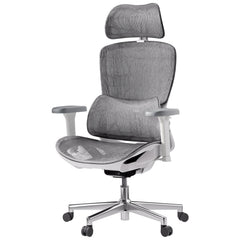
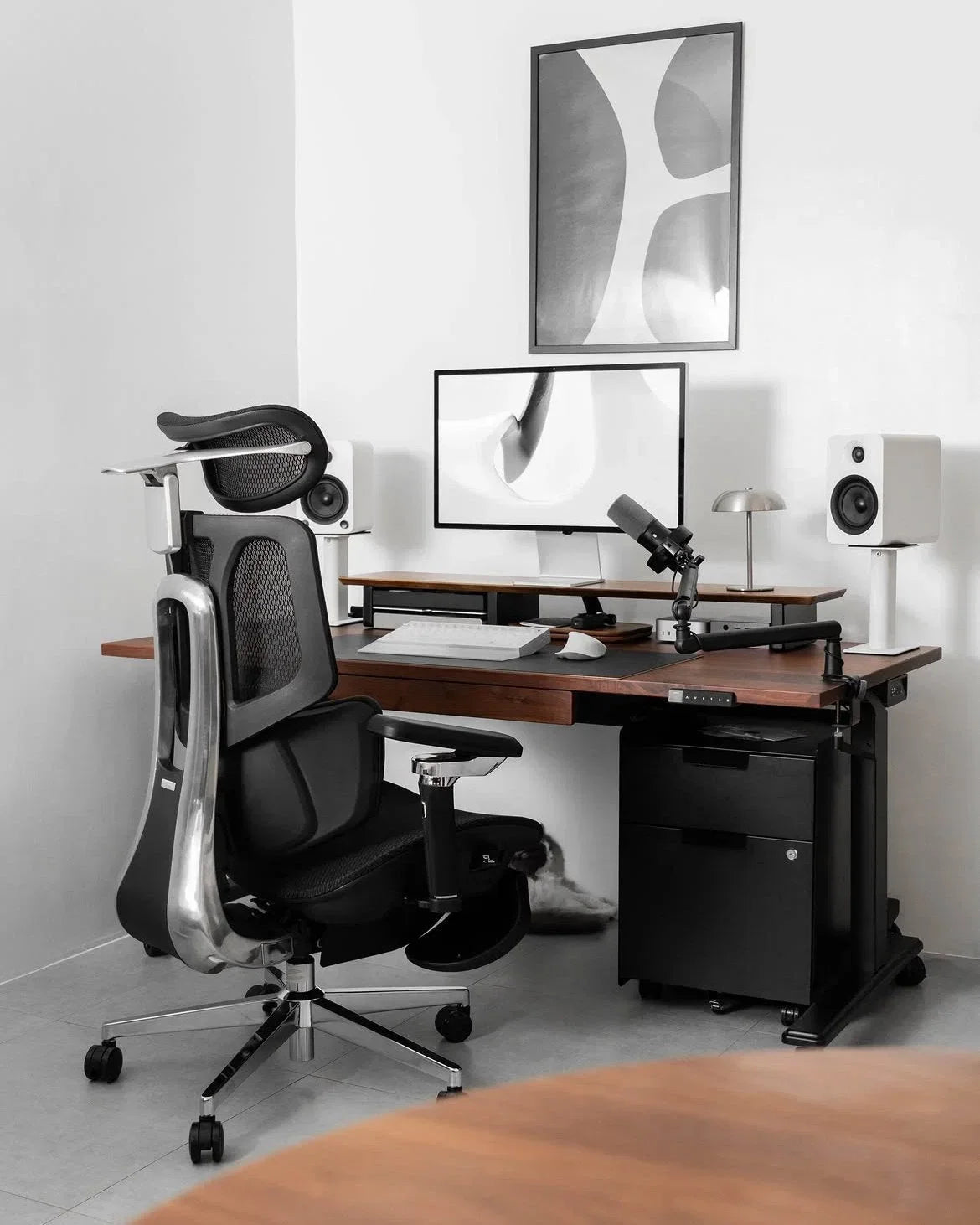
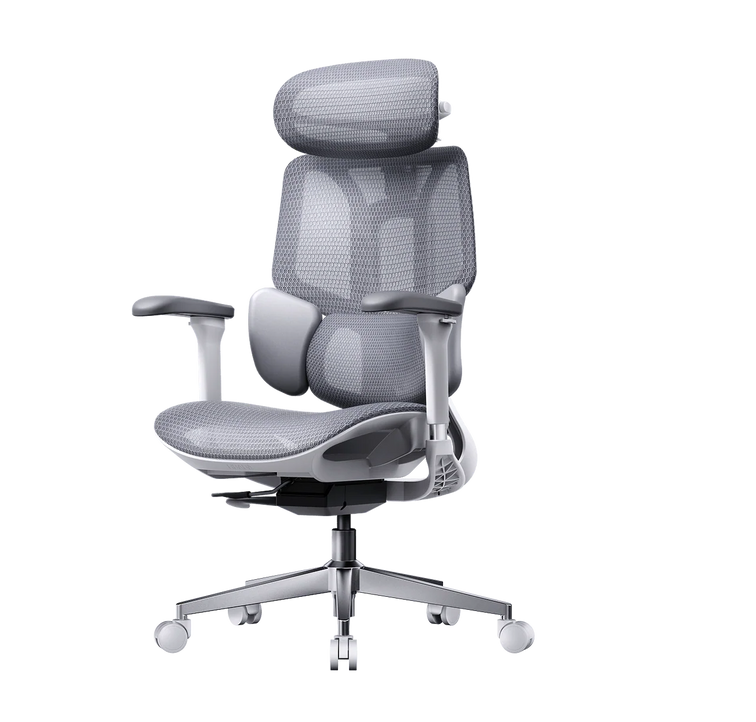
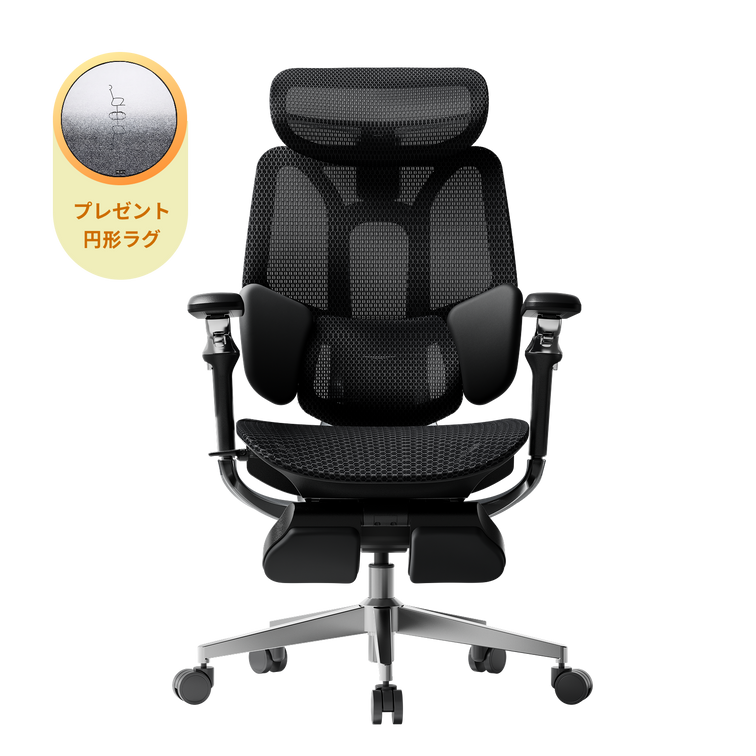
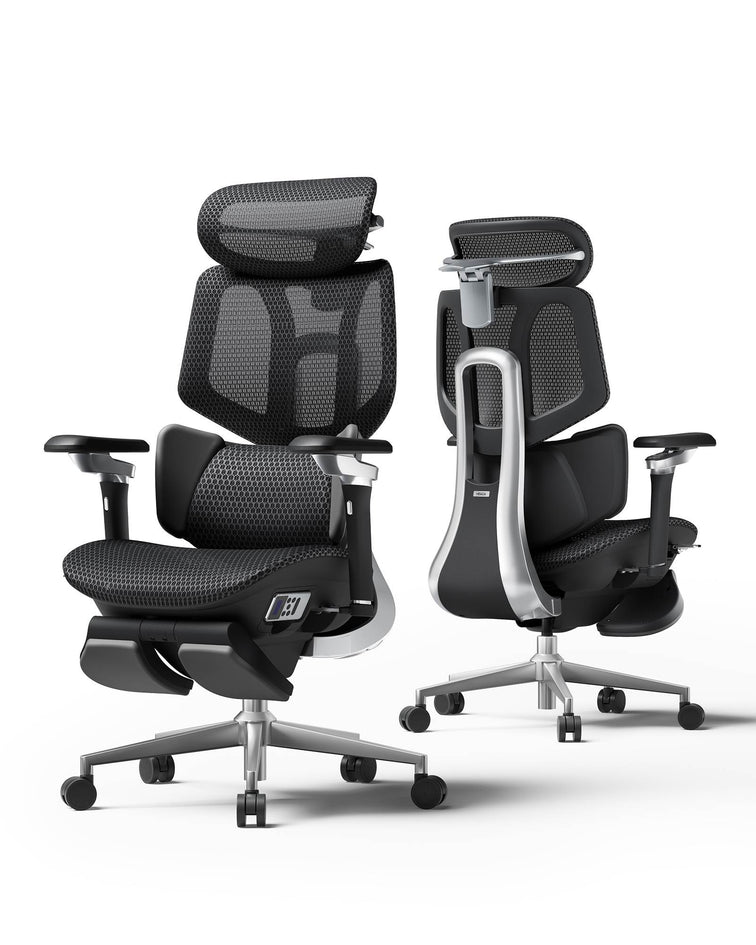
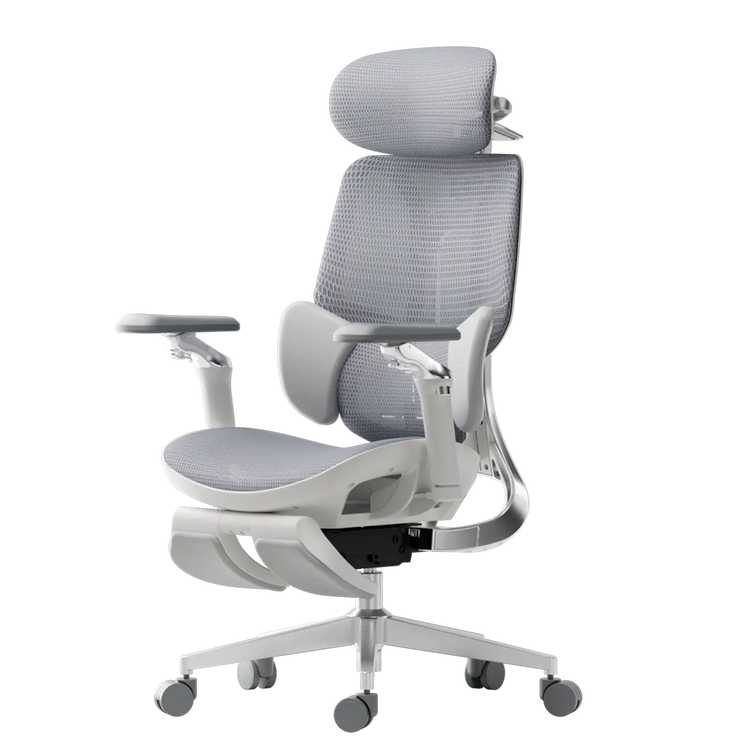
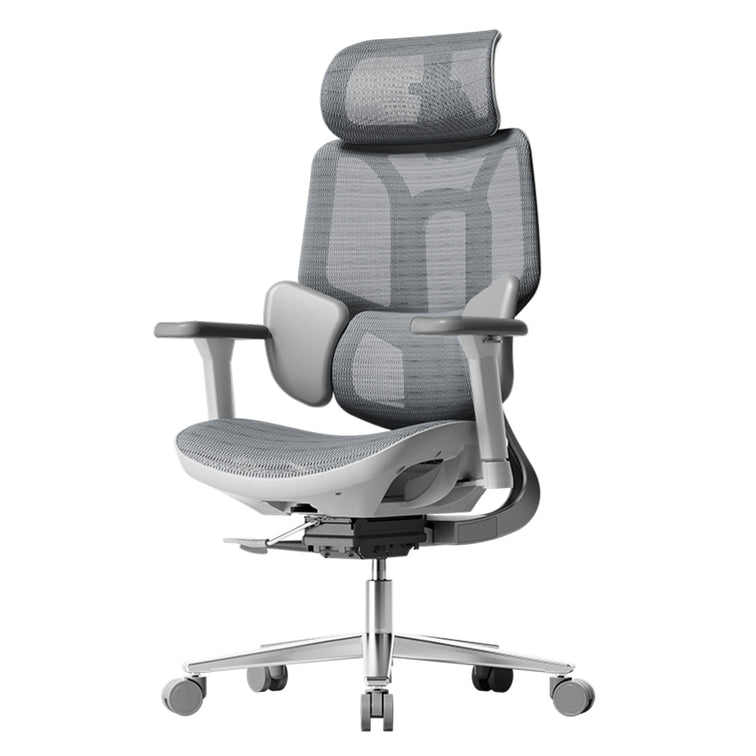
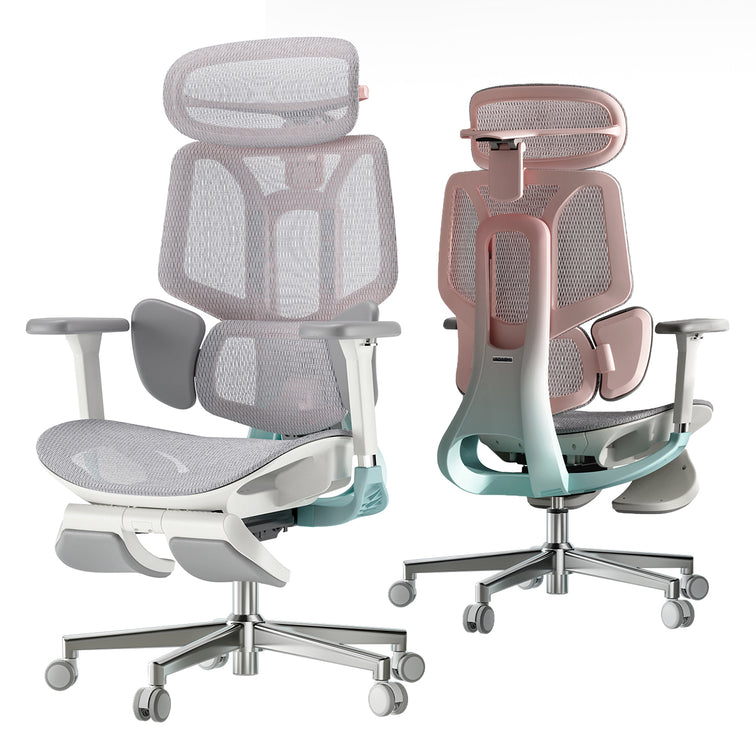
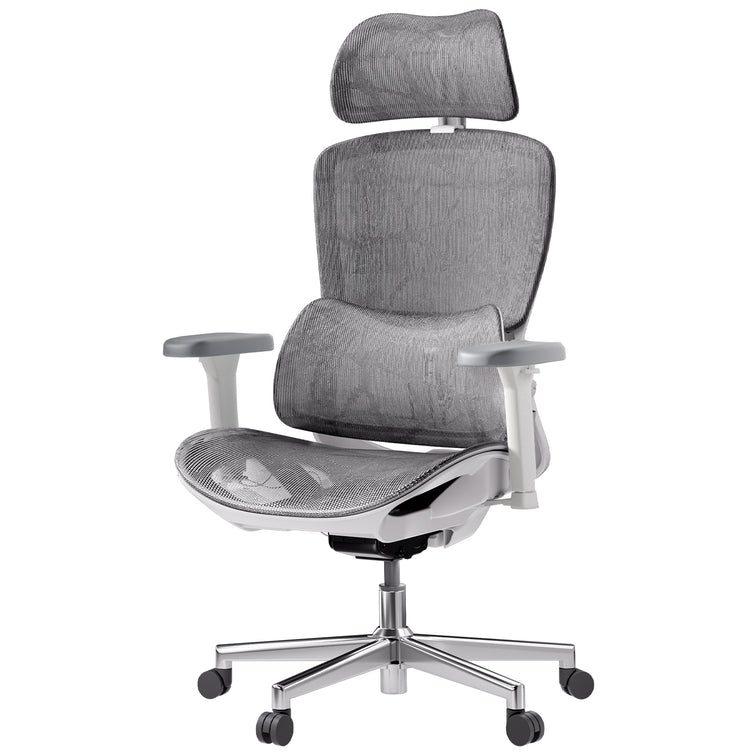
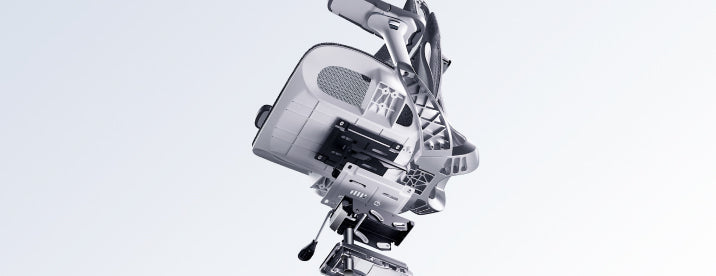
The HBADA E3 Pro is the wide-seat ergonomic chair engineered for Big and Tall and alternative-posture users. From seat width and weight capacity to lumbar support and armrest adjustment, it covers the key requirements for cross-legged comfort.
Seat Dimensions: Just Above the Minimum Threshold
The HBADA E3 Pro delivers a seat width of 20.27 inches / 51.5 cm, clearing the 20-inch minimum for ankle-over-knee cross-legged sitting. Its seat depth adjusts across 17.7"–19.7" (a 5 cm range), so you can shorten the front-to-back surface when your legs are folded to reduce front-edge contact on your calves and ankles.
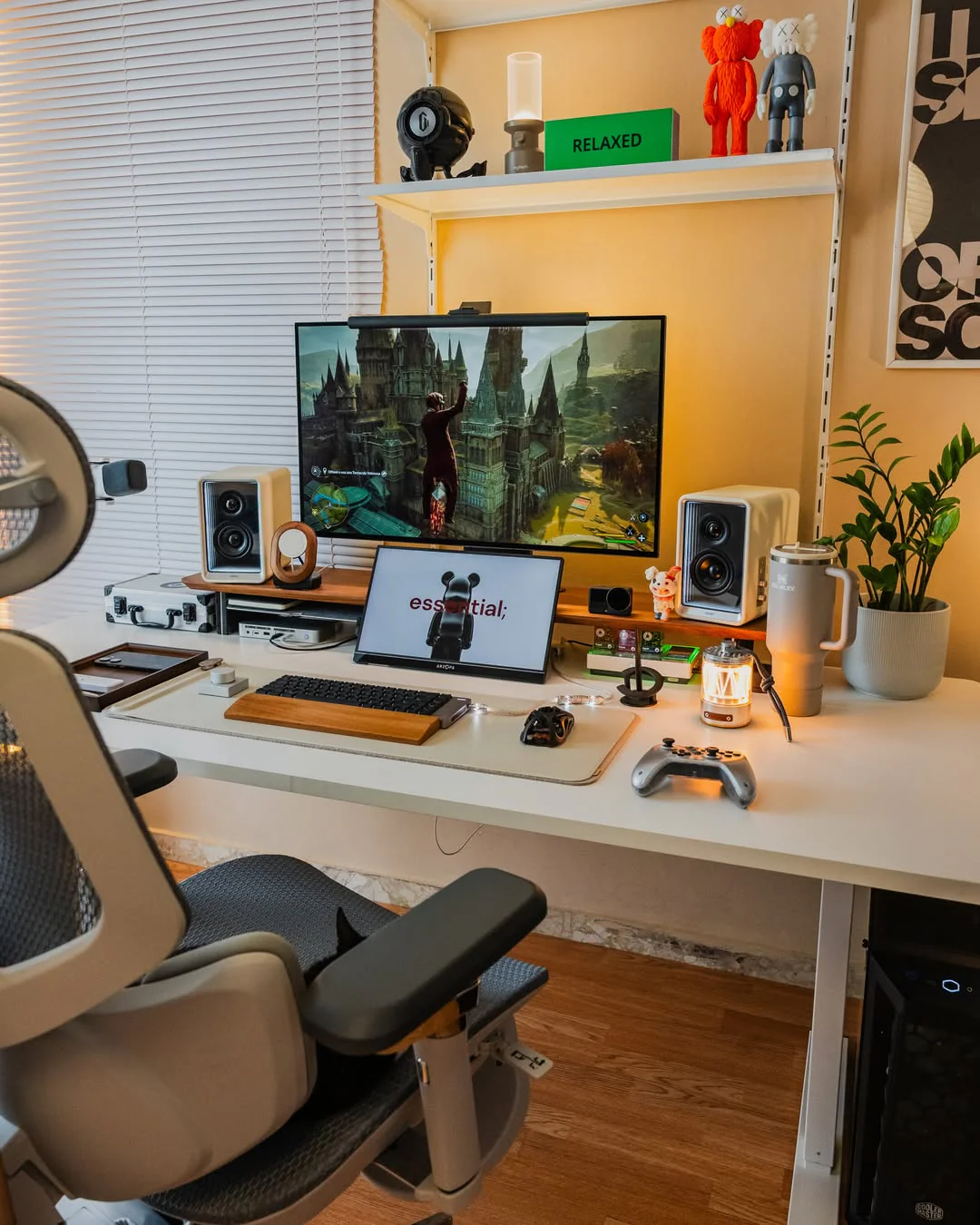
The CloudMesh seat surface is soft, flat, and textured, not leather, not vinyl, not a bucket contour.
Weight Capacity and Frame: Built for Asymmetric Load
The E3 Pro is rated for 330 lb / 150 kg and features an SGS-certified Class 4 gas cylinder and a steel-reinforced chassis. It fits users from 150–195 cm. That combination of weight rating and frame reinforcement gives the chair the stability to handle the asymmetric, off-center pressure of cross-legged sitting.
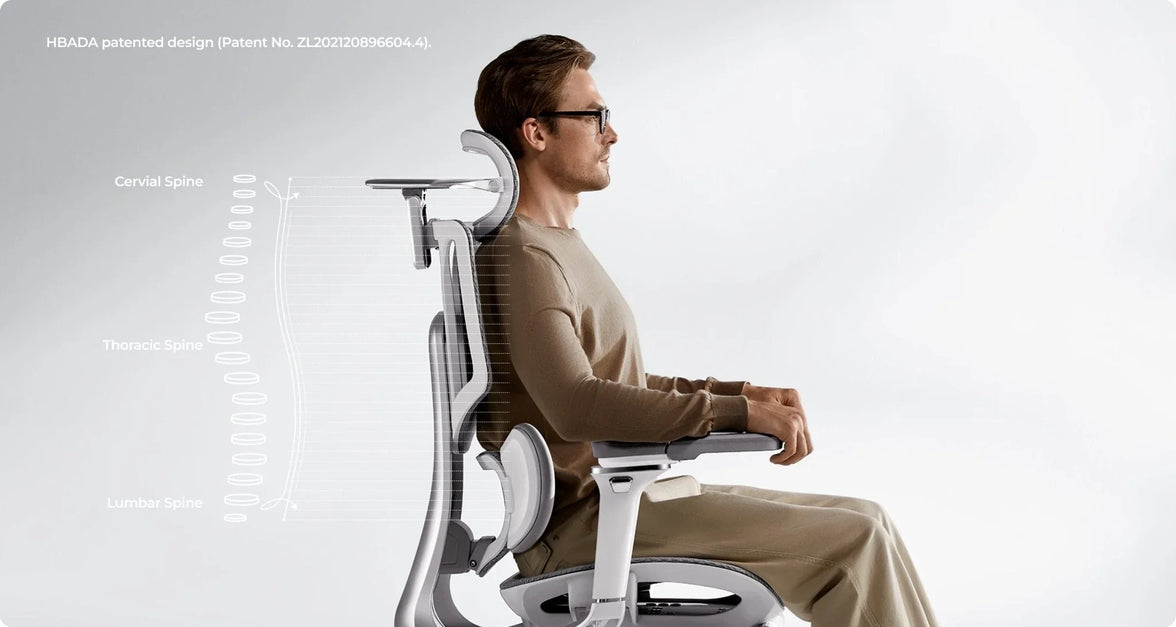
3-Zone Elastic Lumbar Support: Adapts When Your Pelvis Tilts
Cross-legged sitting rotates your pelvis. Static lumbar pads lose alignment the moment that happens. The E3 Pro's 3-Zone Elastic Lumbar Support System uses a multi-way adjustment range and elastic deflection to follow your lower back as your weight distribution shifts. Whether you're sitting upright with both feet down or leaning slightly with one leg crossed, the lumbar adapts.
720° Armrests: Clear the Knee Line Completely
The E3 Pro's 720° adjustable armrests offer 360° rotation, 110 mm front-to-back travel, 50 mm height adjustment, and a 20° flip. In practice, this means you can rotate the armrests outward to clear your knees when you sit cross-legged, then bring them back in to support your forearms as you shift to upright typing.
4D Dual-Axis Headrest: Neck Support at Any Recline
The 4D bi-axial headrest adjusts 70° in rotation, 55 mm front-to-back, and 45 mm vertically. When you recline to 140° to rest, the headrest adjusts to support your neck. The 4-level tilt lock at 100°, 110°, 120°, and 140° lets you switch easily between focused work and rest.
HBADA E3 Pro Key Specs for Cross-Legged Sitters:
| Spec | HBADA E3 Pro | Why It Matters for Cross-Legged Sitting |
|---|---|---|
| Seat Width | 20.27" / 51.5 cm | Meets the 20" minimum for ankle-over-knee cross-legged sitting |
| Seat Depth (adjustable) | 17.7"–19.7" (5 cm range) | Shorten the front surface to reduce ankle/shin contact when legs are folded |
| Seat Surface | CloudMesh — flat, textured, soft-edge | Grips legs in place; no hard rim pressing into your legs |
| Armrests | 720° full-range (360° rotate, flip, 110mm F/B, 50mm height) | Rotates fully outward to clear both knees in the crossed position |
| Lumbar Support | 3-Zone Elastic, 8-way adjustment | Adapts when the pelvis tilts during cross-legged posture shifts |
| Weight Capacity | 330 lbs / 150 kg | Handles asymmetric off-center loading safely over time |
| Height Fit | 4'11"–6'5" (150–195 cm) | Wide fit range for petite and tall users alike |
| Recline | 4-level tilt lock: 100°–140° | Rest position after cross-legged sessions without leaving the chair |
| Certifications | BIFMA, SGS, TÜV, IGR, London Design Awards | Third-party structural safety verified for long-term use |
| Warranty | 3-year (2026 Edition) | Structural components covered for long-term peace of mind |

Who the HBADA E3 Pro Is For: Two Real-Use Profiles
Specs on paper only tell part of the story. Here is how the E3 Pro performs for two specific user types who regularly sit cross-legged.
Profile A: The Large-Frame Remote Worker (Heavy-Duty Use Case)
Marcus T., 34, Senior DevOps Engineer, 6'2", 295 lbs, 10+ hour daily sessions. Marcus went through three standard office chairs in two years. Foam compressed fully under his weight, gas lifts failed, and no standard lumbar pad stayed aligned when he pulled his left leg up to sit ankle-over-knee, his default position for long coding blocks.
He needed a chair that could handle asymmetric loads, provide dynamic lumbar support, and offer wide enough seat clearance for his frame.
On the HBADA E3 Pro, the 330 lb SGS-certified gas cylinder and steel-reinforced chassis gave him the structural confidence he'd never had in a budget chair. The 20.27-inch seat cleared his thighs when crossed. The 3-Zone Elastic Lumbar System followed the curve of his lower back, whether he sat upright to review code or leaned forward into a crunch. The 720° armrests rotated outward enough to fully clear his knee when crossing, then back in for forearm support on the keyboard.
Profile B: The Petite Professional (Adjustability Use Case)
Elena R., 28, Remote Graphic Designer, 5'1", 110 lbs. Standard ergonomic chairs placed lumbar support at mid-back or upper-back, never at her actual lumbar. Elena's feet didn't reach the floor on most chairs set to desk height, and she habitually sat in a half-cross position with one foot tucked under her.
The E3 Pro's 8.5 cm seat height adjustment range brought her feet closer to the floor. The backrest height adjustment of 80 mm positioned the lumbar support at her lower back. The seat depth adjustment shortened the seat surface so the front edge didn't press into the back of her thighs when she tucked one leg. The 720° armrests rotated inward to cradle her arms while drawing on her tablet in the half-cross position, easing the tension in her shoulders.
A Note on the HBADA AI-Powered X7: Outstanding — But Not Designed for Cross-Legged Sitting
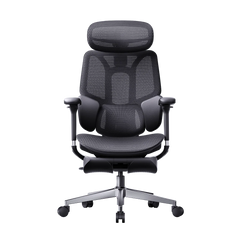
The HBADA AI-Powered X7 is an exceptional smart ergonomic chair for upright, conventional sitting. Its AI lumbar-tracking system, 8D massage, graphene heating, active-ventilation seat cushion, and 720° armrests pack in a wide range of advanced features.
However, if you are a habitual cross-legged sitter, the HBADA AI-Powered X7 may not be the right chair for your primary use. The seat geometry is precision-engineered for an upright seated posture, and the seat rim is not as well-suited to ankle-over-knee or full criss-cross positions as the E3 Pro. Choosing it for cross-legged use could mean paying for features you won't fully use in your preferred sitting style.
The honest answer: if you sit upright and want more advanced smart ergonomics, the HBADA AI-Powered X7 is the clear choice.
If you sit cross-legged regularly, the HBADA E3 Pro is the chair built for you.
Which Chair Should You Choose?

Here's the data-driven answer: when choosing the best wide-seat office chair for sitting cross-legged, what decides it is not a brand name or a feature count, but your dominant sitting posture.
-
You sit cross-legged, ankle-over-knee, or with one leg tucked for most of the day:
HBADA E3 Pro is the recommended choice. Its 20.27-inch seat width, 330 lb weight capacity, 3-Zone Elastic Lumbar, and 720° armrests are built for pulling your legs up and shifting position. -
You sit upright conventionally for 8–10 hours and value lumbar support and relaxation features:
HBADA AI-Powered X7 is the right fit. AI lumbar tracking, 8D massage, graphene heat, and an active-ventilation seat cushion support standard seated posture through long days. -
You split time between cross-legged and upright:
Start with the HBADA E3 Pro. Its 5 cm seat depth adjustment and flat mesh surface support the posture transitions.
FAQs
What seat width do I need for sitting cross-legged in an office chair?
For ankle-over-knee positions, aim for a seat width of at least 20 inches / 51 cm. A full criss-cross tuck is more comfortable on an even wider, flat seat surface. Many standard office chairs are narrower, which can feel cramped for cross-legged sitters. The HBADA E3 Pro measures 20.27 inches / 51.5 cm, with a flat CloudMesh surface and a soft front edge.
Is sitting cross-legged in an office chair bad for your back?
Cross-legged sitting is not inherently harmful, but the wrong chair can make it a strain. Hard seat edges, lumbar support that doesn't adapt as you shift, and seats that are too narrow for the posture can cause discomfort in your legs, lower back and hips. A chair with a flat, wide seat, elastic lumbar support, and soft front edge reduces this strain. Alternating positions or standing up every 30–45 minutes is still recommended, regardless of chair quality.
Can I sit cross-legged in any ergonomic chair?
No. Most conventional ergonomic chairs are not designed for cross-legged sitting. Bucket-shaped seat contours, narrow seats, fixed armrests that block the knee line, or rigid front seat lips all get in the way. Chairs marketed as "big and tall" or "wide-seat" vary significantly too. Always verify seat width, armrest range, and seat edge design before purchasing.
What is the HBADA E3 Pro seat width?
The HBADA E3 Pro seat width is 20.27 inches / 51.5 cm. It also offers 17.7"–19.7" of seat depth adjustment and a flat CloudMesh surface with a soft front edge, suiting ankle-over-knee sitting and frequent posture changes. The chair also has a 330-lb weight capacity and is certified to BIFMA, SGS, TÜV, and IGR standards.